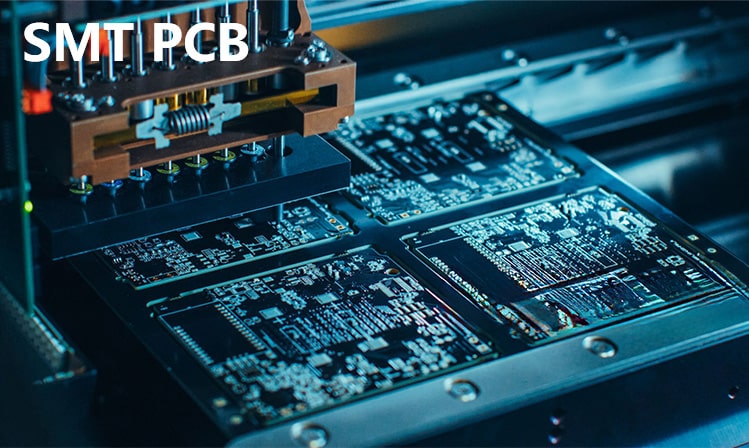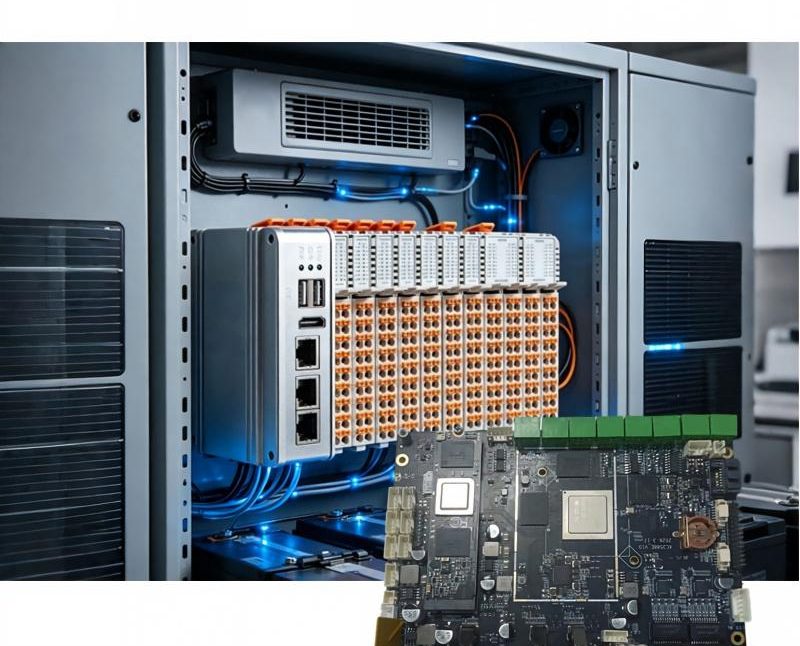
PCB Layer Stack Symmetry: A Factory-Floor Review Modern electronics depend on boards that are assembled correctly the first time. Every product – a phone, a charger, a medical instrument or an industrial controller – relies on thousands of solder joints that must conduct current for years. This article explains PCB…
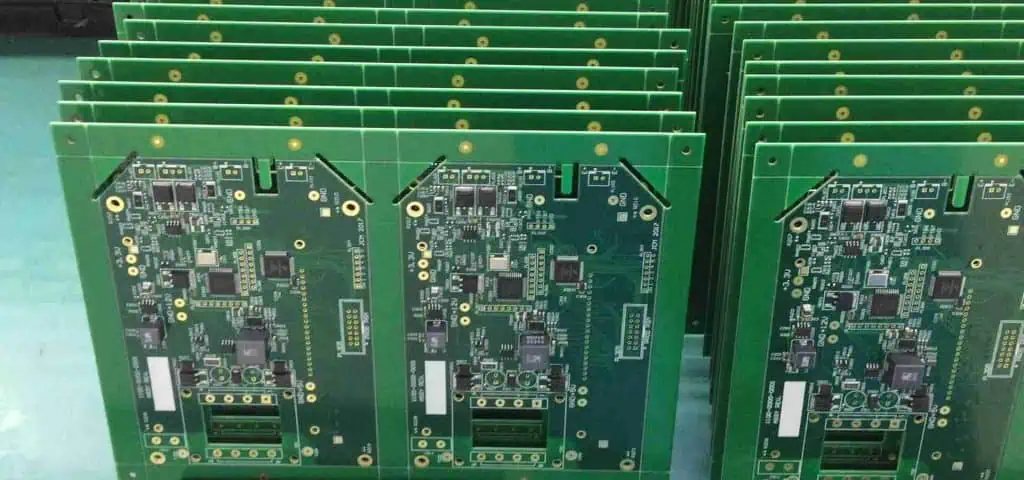
Common Problems in PCB Production and How to Solve Them A board shop that is losing yield rarely has one problem. It has a symptom, a set of plausible explanations and a production schedule that makes it tempting to correct the most visible symptom rather than investigate the cause. The…
Audio PCB Design: Noise, Grounding and Power Supply Audio circuits are judged by what cannot be heard. A preamplifier with a signal to noise ratio twenty decibels worse than expected may still measure correctly on a bench meter, because the problem is a ground current or a coupling path rather…
Layout Verification Methods Before PCB Release Layout verification is what stands between a finished design and an expensive mistake, and it works best as a sequence of independent checks rather than as a single act of inspection. Every check has a blind spot, and the blind spot of one is…
PCB Ground Bounce: When the Ground Moves A fast driver switches a load, and the return current must travel back to its source. That path is never a perfect conductor. It carries inductance, and inductance resists any change in current. When the current changes quickly, a voltage appears across that…
EMI Design on a Microcontroller PCB: Practical Steps A microcontroller board is a small, self contained design, and that is precisely why EMI design problems are easy to overlook. The clock is internal or driven by a tiny crystal, the currents are modest, and nothing looks like a power stage.…
SSD PCB Price Guide: Layer Count, Material and Finish An SSD board is a small, dense, high-reliability product, and its price reflects all three. A storage drive that loses data when a via cracks or a BGA pad lifts is not acceptable, so the fabrication rules are tighter than the…
PCB Copper Thickness Selection: Process Details and Inspection Points Modern electronics depend on boards that are assembled correctly the first time. Every product – a phone, a charger, a medical instrument or an industrial controller – relies on thousands of solder joints that must conduct current for years. This article…
PCB Resin Content Control: Design and Assembly Considerations Modern electronics depend on boards that are assembled correctly the first time. Every product – a phone, a charger, a medical instrument or an industrial controller – relies on thousands of solder joints that must conduct current for years. This article explains…
PCB Dielectric Constant and Loss: Design and Assembly Considerations Modern electronics depend on boards that are assembled correctly the first time. Every product – a phone, a charger, a medical instrument or an industrial controller – relies on thousands of solder joints that must conduct current for years. This article…