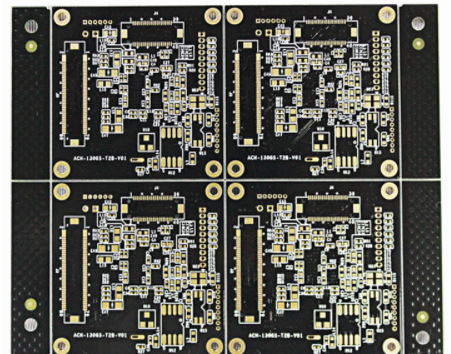
Lead-Free Soldering in PCBA: A Factory-Floor Review As environmental regulations continue to influence electronics manufacturing, soldering technology has undergone a major transformation. Lead-Free Soldering has become the standard choice for many electronic products, while leaded solder remains relevant in specific applications where its processing characteristics and reliability advantages are…
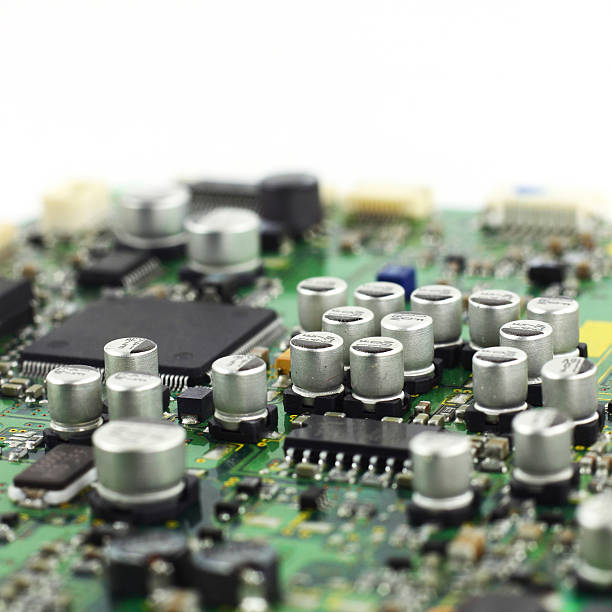
PCBA Production vs SMT Assembly: Practical Process Controls In modern electronics manufacturing, PCBA Production and SMT Assembly are often used interchangeably, but they actually describe different levels of the manufacturing process. SMT is a critical assembly technology used to mount surface-mount components onto a printed circuit board. PCBA production,…
Wave Soldering vs Selective Soldering: From Design to Repeatable Production In modern PCB Assembly, soldering technology directly affects solder joint quality, production efficiency, manufacturing cost, and long-term product reliability. The same discipline applies to Wave Soldering, where a small process drift turns into a large yield loss. For through-hole components,…
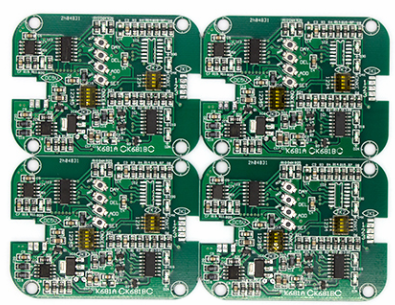
Gerber Files for PCB Manufacturing: What Buyers and Engineers Should Check In the world of PCB Manufacturing, Gerber files are one of the most important data formats used to translate a PCB design into a physical circuit board. They contain the manufacturing information required to define copper patterns, solder mask,…
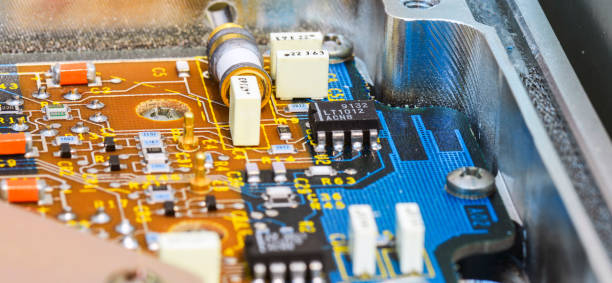
Key Processes in Through-Hole PCB Assembly: Design, Process, and Quality Notes Through-Hole PCB Assembly is an important manufacturing process for electronic products that require strong mechanical connections, high reliability, and durable solder joints. Unlike surface mount technology, through-hole technology (THT) installs component leads through drilled holes in a printed circuit…
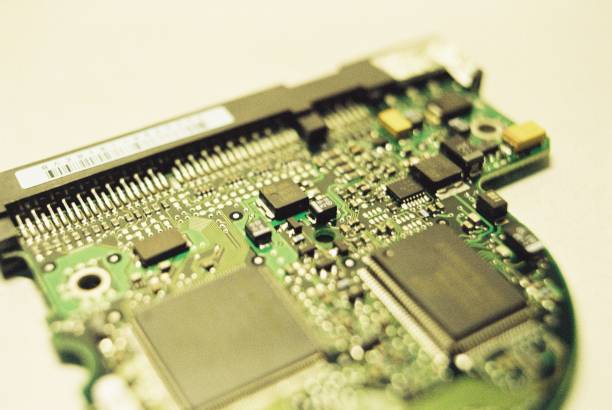
PCBA Mainboard Explained: A Practical Manufacturing Guide Modern electronic devices depend on increasingly complex circuit boards to process data, distribute power, control signals, and connect different functional modules. At the center of many of these products is the PCBA Mainboard, which combines a printed circuit board with electronic components…
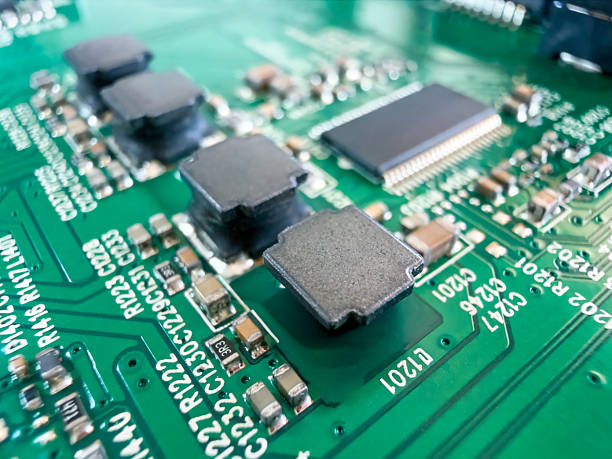
7 Common SMT PCB Assembly Mistakes Engineers Should Avoid: Design and Assembly Considerations In modern electronics manufacturing, SMT PCB Assembly plays a critical role in determining the reliability, performance, and service life of electronic products. Although surface mount technology has become highly automated, seemingly minor process errors can still…
PCB Layout: How to Place and Install Decoupling Capacitors: Process Details and Inspection Points In high-speed electronic systems, power supply stability has a direct impact on circuit performance. Digital devices can generate short-duration current spikes when their output states change rapidly. If the power distribution network cannot provide this…
PCB Design: How to Reduce Errors and Improve Efficiency: A Practical Review for Manufacturing Teams PCB design is a critical but time-consuming engineering task. Even a small design error can require engineers to inspect individual nets, components, and connections throughout an entire circuit. As PCB designs become more complex,…
Essential PCB Design Basics: What Matters on the Production Line A reliable printed circuit board starts with a solid understanding of fundamental design principles. PCB design is not simply about connecting components with traces. Layer stack-up, power distribution, grounding, signal return paths, component placement, routing, and manufacturing requirements must…