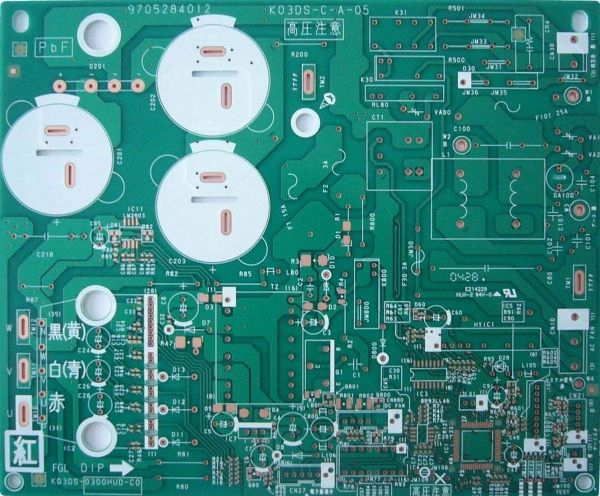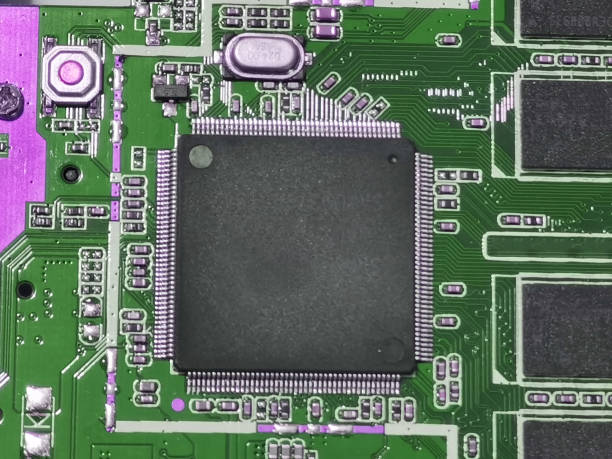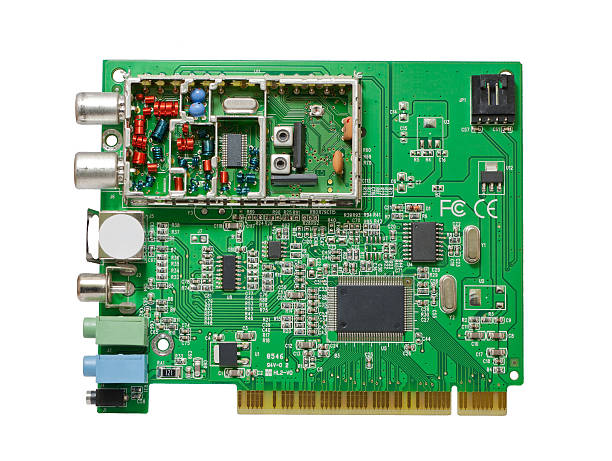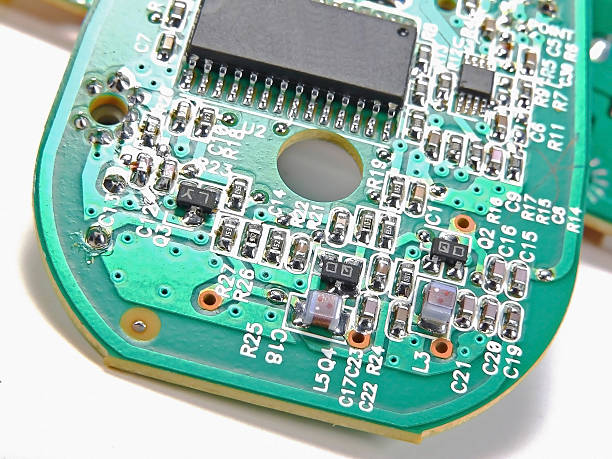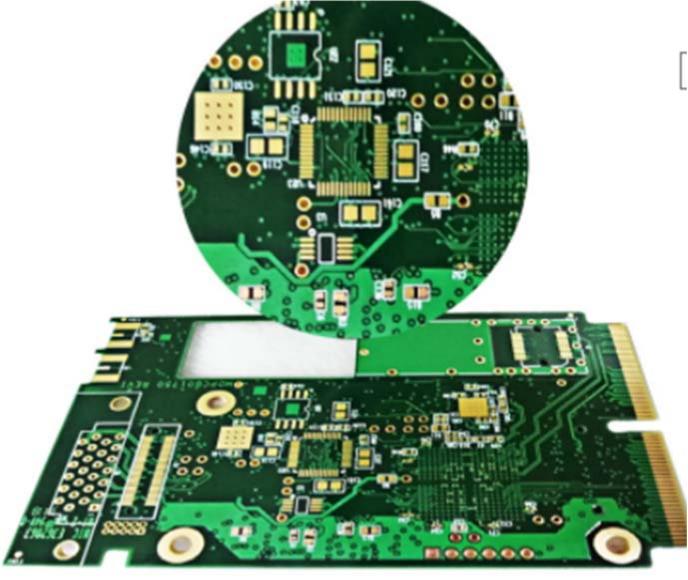
PCB Solder Mask is a critical part of modern PCB Manufacturing. It is a protective polymer coating applied to selected areas of a printed circuit board to protect exposed copper from oxidation, reduce the risk of solder bridging, and provide electrical insulation between adjacent conductive features. The solder mask process…
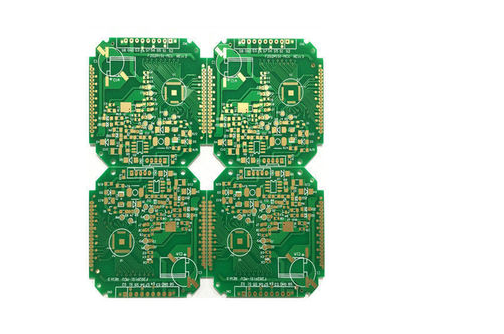
As electronic products continue to become smaller, thinner, and more highly integrated, circuit designers need increasingly compact interconnection structures. Microvia technology has therefore become an important part of modern high-density PCB manufacturing, particularly for high-density interconnect (HDI) boards. A microvia can be produced using several different manufacturing technologies. The two…
The development of the Printed Circuit Board (PCB) fundamentally changed the electronics industry. Before the invention of the PCB, electronic components were primarily interconnected using point-to-point wiring. As electronic products became smaller, more complex, and more reliable, traditional wiring methods could no longer meet the requirements of mass production. The…
As electronic products continue to become smaller, faster, and more functionally integrated, printed circuit boards are evolving from simple single-sided and double-sided structures toward increasingly sophisticated multilayer configurations. A Multilayer PCB can accommodate a large number of signal, power, and ground connections within a relatively compact board structure. However, as…
As smartphones, tablets, and other mobile electronic devices continue to become smaller, thinner, lighter, and more portable, the available space inside their mainboards is becoming increasingly limited. At the same time, consumers expect these devices to provide more functions and higher performance. This trend has increased demand for HDI PCB…
The global electronics industry has been facing significant supply chain pressure due to a combination of the Chip Shortage, rising raw material costs, and limited production capacity. Among the most visible impacts are rapidly increasing LCD panel prices, higher manufacturing costs, and shortages of finished electronic products. The situation has…
PCB Cleaning is an essential part of the PCB Manufacturing Process. During PCB fabrication, boards pass through multiple manufacturing stages that can leave behind dust, oxides, drilling residues, oil, fingerprints, metal particles, and other contaminants. Proper cleaning is therefore critical for maintaining surface cleanliness, improving coating and plating adhesion, preventing…
Online vs Offline AOI Inspection in PCB Assembly: What Matters on the Production Line In modern electronics manufacturing, inspection is an essential part of maintaining consistent assembly quality. AOI Inspection (Automated Optical Inspection) is widely used to identify component placement and soldering defects during PCB assembly. The same discipline…
SMT PCB Assembly to DIP Quality Control: From Prototype to Volume Production In electronics manufacturing, consistent quality depends on much more than a single inspection step. A small placement error during SMT or an incomplete solder joint during DIP assembly can lead to electrical failures, rework, production delays, and…
PCBA Soldering Problems: 6 Common Causes and Practical Solutions Poor solderability is one of the most common problems encountered during PCBA Soldering. When solder does not properly wet a PCB pad or component lead, the result may be an open circuit, weak solder joint, intermittent connection, or complete assembly…