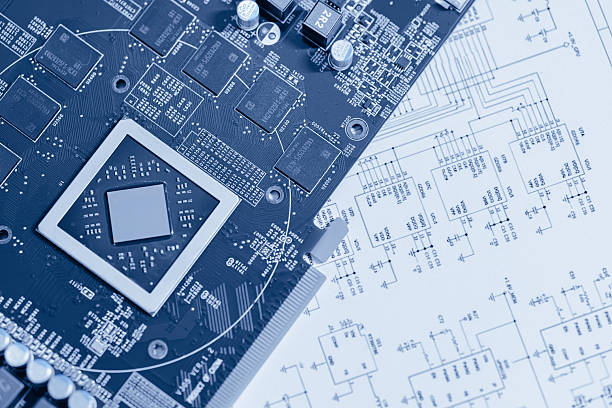
Why Material Selection Matters in Aerospace PCB Design Aerospace electronics operate in environments where temperature, vibration, pressure, radiation, mechanical stress, and electrical performance can all become critical design factors. Whether a PCB is used in an aircraft control system, satellite payload, radar, communications module, or spaceborne electronics platform, the…
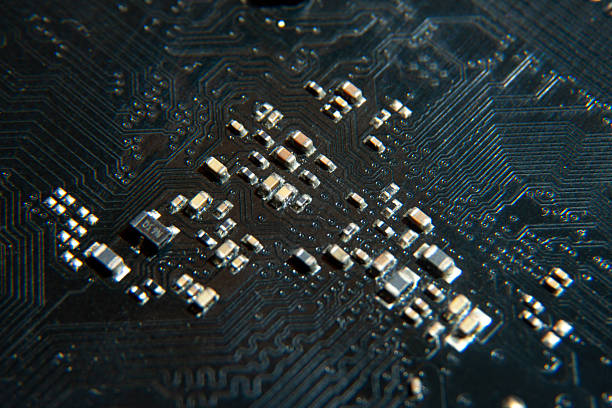
Large-Size High-Layer PCB Manufacturing for Medical Imaging: From Design to Repeatable Production Medical imaging equipment depends on highly integrated electronic systems to acquire, process, transmit, and display complex imaging data. Behind these systems, the PCB provides the electrical infrastructure that connects processors, sensors, power circuits, communication interfaces, and other…
Automotive Electronics PCB Manufacturing for High Reliability: What Buyers and Engineers Should Check Modern vehicles rely on increasingly sophisticated electronic systems for power management, driver assistance, connectivity, sensing, infotainment, body control, and safety-related functions. At the center of many of these systems is the printed circuit board. Unlike PCBs…
Precision PCB Drilling for Microvias and High-Density: Design, Process, and Quality Notes As electronic products become smaller, faster, and more highly integrated, PCB manufacturers face increasing challenges in fitting more electrical connections into limited board space. Conventional through-hole structures can consume significant routing area, making it difficult to achieve…
Security Surveillance PCB Manufacturing for Reliable Monitoring Modern security and surveillance systems depend on continuous data collection, stable signal transmission, and reliable electronic control. From security cameras and video surveillance systems to access control equipment, industrial monitoring systems, and intelligent security platforms, the PCB serves as the electrical foundation connecting…
Heavy Copper PCB Manufacturing for High-Power Electronics Reliable printed circuit boards are fundamental to modern power electronics. Power supplies, industrial controllers, battery systems, motor drives, renewable energy equipment, and other high-load applications place significantly greater demands on PCB current capacity, heat dissipation, mechanical strength, and long-term reliability than conventional electronic…
How to Ensure High-Temperature PCB Stability from -55°C to 125°C: Process Details and Inspection Points In industrial control, automotive electronics, aerospace, and other demanding applications, printed circuit boards may be exposed to wide temperature fluctuations, including operating conditions from approximately -55°C to 125°C. Repeated temperature changes can cause material…
Aerospace PCB Material Selection Guide: Key Materials and Requirements Aerospace electronics operate in environments where temperature changes, vibration, mechanical shock, humidity, pressure variation, electromagnetic interference, and long service life can all affect PCB reliability. For this reason, selecting the right substrate and laminate is not simply a material purchasing…
Low-Volume Automotive PCB Manufacturing for Custom Applications The automotive industry is moving rapidly toward electrification, connectivity, intelligent driving, and increasingly sophisticated electronic systems. As vehicle electronics become more complex, manufacturers and engineering teams often need circuit boards in quantities that do not justify conventional high-volume production. These requirements may…
Miniaturized Medical PCB Manufacturing for Implantable Devices: From Prototype to Volume Production Implantable medical devices are becoming smaller, smarter, and more capable. From cardiac monitoring and stimulation systems to neurostimulation and other implantable electronic platforms, engineers must integrate increasingly sophisticated electronic functions into extremely limited physical spaces. The same discipline…