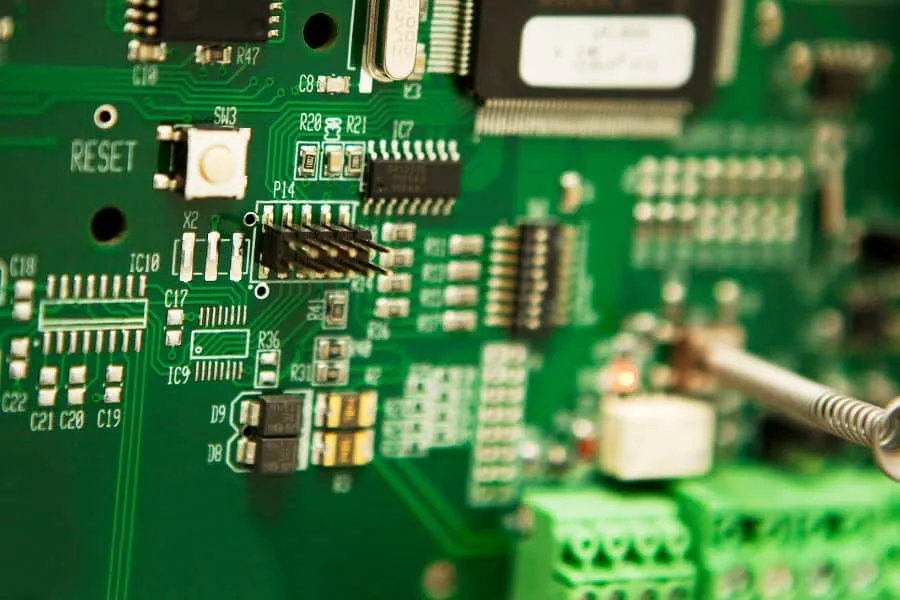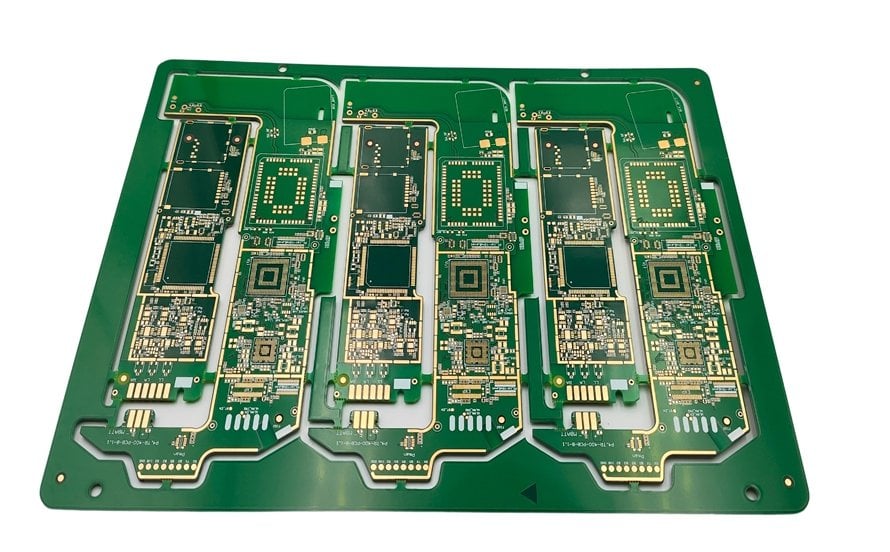
As electronic products become increasingly sophisticated, RoHS compliance has become an essential consideration in modern PCB design and PCB manufacturing. From consumer electronics and industrial equipment to automotive, medical, telecommunications, and other high-reliability applications, manufacturers must increasingly consider environmental regulations and material safety throughout the product development process. RoHS stands…
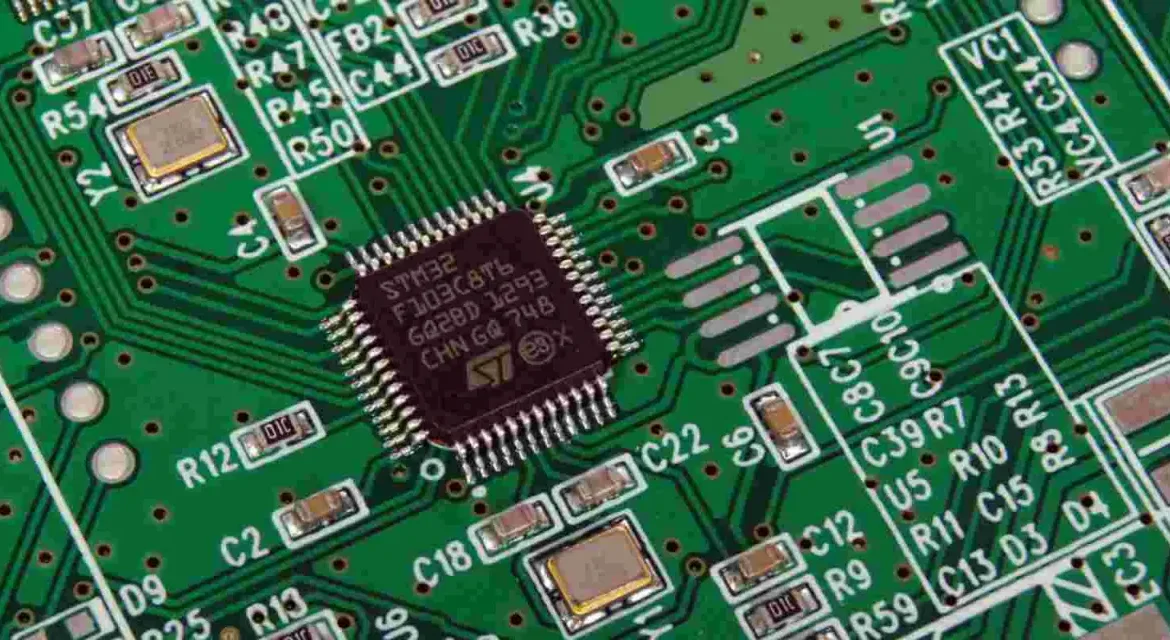
Semiconductors, Chips, and Integrated Circuits: Differences, Relationships, Manufacturing Processes, and Applications Semiconductors, chips, and integrated circuits (ICs) are the fundamental technologies behind modern electronics. They are widely used in smartphones, computers, automotive electronics, industrial equipment, communication systems, artificial intelligence infrastructure, and Internet of Things (IoT) devices. Semiconductor vs. Wafer vs.…
RF PCB Design Guide: Key Principles, Layout Techniques, Materials, and Best Practices When electronic systems operate at high frequencies, RF PCB design requires much greater attention to signal integrity, impedance control, grounding, materials, and component placement than conventional PCB design. As operating frequencies increase, even small changes in trace geometry,…
IC Substrate, PCB, IC Substrate vs PCB, IC Substrate Manufacturing, PCB Manufacturing, Semiconductor Packaging, HDI PCB, PCB Assembly Google TDK Title: IC Substrate vs PCB: Key Differences, Materials, Manufacturing & Applications Meta Description: Learn the key differences between IC Substrate and PCB, including structure, materials, manufacturing, performance, cost, applications, and…
How to Choose the Best PCB Manufacturer in China: Design and Assembly Considerations PCB manufacturing has become an essential part of modern electronic products. As electronic systems become increasingly complex, PCB manufacturers play a critical role in producing reliable circuit boards for a wide range of applications. PCB manufacturing covers…
The rapid development of automotive electronics is transforming modern vehicles into highly connected and intelligent electronic platforms. From Engine Control Units (ECUs) and Battery Management Systems (BMS) to Advanced Driver-Assistance Systems (ADAS), infotainment, vehicle networking, sensors, and electric powertrain systems, automotive PCBs play a critical role in controlling and connecting…
Electronic devices continue to become more powerful and compact, and this increasing complexity is particularly apparent to PCB designers during the routing stage. Modern processors, SoCs, FPGAs, BGAs, memory devices, and high-speed interfaces have increasingly dense pin layouts. As a result, designers must maximize available routing channels while maintaining the…
As electronic products continue to expand into automotive, industrial, consumer electronics, telecommunications, medical, and other markets, manufacturers increasingly need high volume PCB assembly capabilities that can deliver consistent quality at scale. Producing thousands, hundreds of thousands, or even millions of circuit boards is not simply a matter of making more…
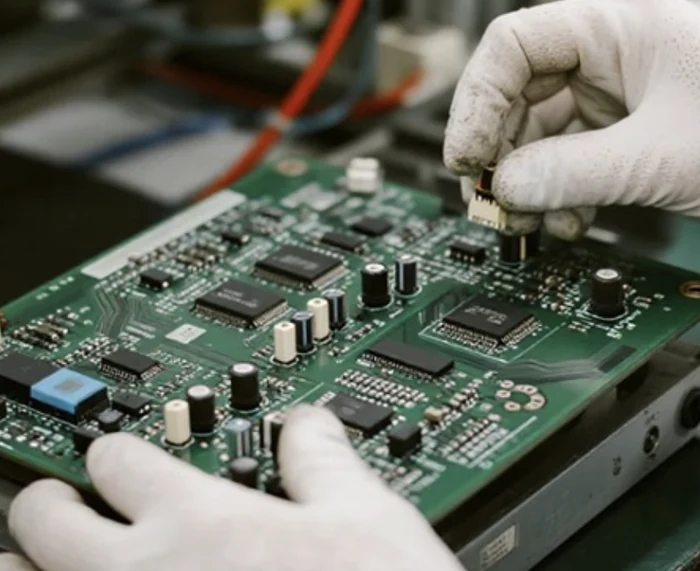
What Is PCB Assembly? A Complete: Design, Process, and Quality Notes PCB assembly is the process of soldering electronic components onto a bare printed circuit board (PCB). Before taking a closer look at printed circuit board assembly, let’s first understand what a PCB is. A PCB, or printed circuit board,…
As electronic devices continue to become smaller, lighter, and more integrated, engineers are increasingly looking for circuit board technologies that can accommodate complex mechanical structures and demanding electrical requirements. The two fundamental categories of printed circuit boards are rigid PCBs and flexible PCBs. A rigid PCB maintains a fixed shape,…