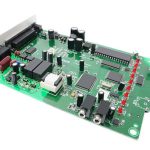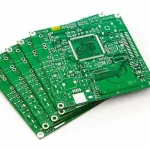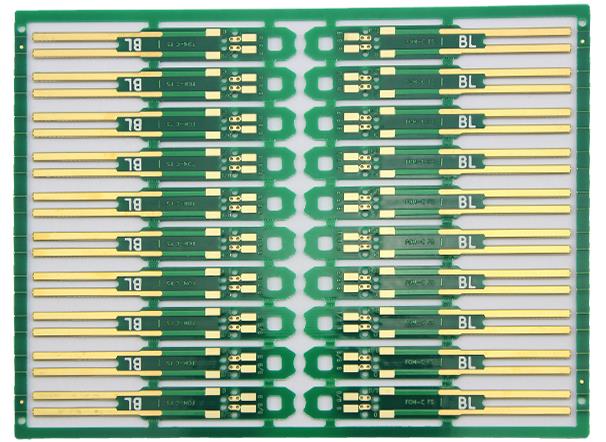
The PCB Manufacturing Process consists of a series of carefully controlled operations that transform raw PCB materials into precisely sized and shaped panels ready for subsequent fabrication processes. Although different PCB types may require different manufacturing routes, the basic principles of material preparation, panel cutting, dimensional control, and initial forming remain fundamental to efficient and reliable PCB Manufacturing.
This article provides an overview of the initial stages of the PCB Fabrication process, focusing on material preparation, panel cutting, milling, drilling, edge processing, marking, thickness measurement, and related production and environmental controls.
1. Material Preparation and Panel Cutting
The first step in the PCB Manufacturing Process is to cut large sheets of laminate into smaller panels according to the production requirements. Accurate material preparation is essential because panel dimensions directly affect subsequent imaging, drilling, lamination, routing, and other fabrication processes.
Objectives
The primary objective is to divide large PCB laminate sheets into smaller panels with the required dimensions while maintaining dimensional accuracy and protecting the material from contamination or mechanical damage.
Equipment and Facilities
Common equipment used during this stage includes:
- Semi-Automatic Cutting Machine: Cuts large laminate sheets into smaller panels according to specified dimensions.
- Corner Rounding Machine: Smooths and rounds the panel corners to reduce sharp edges and minimize the risk of mechanical damage.
- Board Washing Machine: Removes dust, particles, and other contaminants from the board surface before subsequent processing.
- Oven: Bakes PCB materials under controlled conditions to improve dimensional stability and reduce the effects of moisture.
- Character Marking Machine: Adds identification marks, production codes, or other traceability information to the panel edges.
Operating Requirements
Proper operating procedures are essential for maintaining material quality during PCB Material Preparation.
Before starting the semi-automatic cutting machine, operators should verify the programmed dimensions and material specifications to prevent incorrect cutting.
For inner-layer materials, horizontal and vertical orientation markings must be clearly identified after cutting. Incorrect orientation can cause problems during subsequent layer alignment and lamination.
Operators should wear appropriate gloves when handling PCB panels. Panels must be lifted and placed carefully to prevent scratches, dents, contamination, or other surface damage.
After washing, the panel surface should be checked to ensure that no visible water remains. Boards should not be placed directly into the oven while water droplets are present, as uncontrolled moisture and elevated temperatures may contribute to oxidation or material degradation.
Before operating the oven, the temperature setting must be verified against the applicable process specification. Proper temperature control is important for maintaining the dimensional stability and reliability of PCB materials.
Safety and Environmental Requirements
Safety and environmental controls are an important part of modern PCB Manufacturing.
- Never place hands inside the cutting machine while the equipment is operating.
- Keep paper, packaging materials, and other combustible items away from the oven.
- Do not exceed the specified oven temperature.
- Use suitable heat-resistant gloves when removing heated panels from the oven.
- Allow panels to cool to a safe handling temperature before further processing.
- Collect and classify production waste according to the factory’s environmental management procedures.
- PCB scrap and other production waste should be handled through approved recycling or disposal channels to prevent environmental contamination.
2. PCB Cutting and Initial Forming
After material preparation, additional PCB Cutting and mechanical processing may be required to obtain the required panel geometry and production dimensions.
This stage is particularly important because accurate initial forming provides a stable foundation for subsequent PCB fabrication operations.
Equipment
Typical equipment may include:
- Manual cutting machines
- Milling and routing machines
- CCD drilling machines
- CNC milling machines
- Chamfering machines
- Character marking machines
- Thickness gauges
The specific equipment configuration depends on the PCB type, material structure, panel dimensions, and manufacturing requirements.
Main Purpose
The primary purpose of this stage is to perform preliminary shape processing on laminated PCB materials and establish the basic panel dimensions before subsequent fabrication processes.
For complex PCB Fabrication, dimensional accuracy at this stage can influence downstream drilling, routing, lamination, imaging, and registration performance.
Process Flow
A typical initial forming sequence can include:
Panel Separation → Marking and Scribing → Large Panel Cutting → Copper Foil Milling → Hole Drilling → CNC Routing → Chamfering → Character Marking → Board Thickness Measurement
The actual process flow may vary depending on the PCB construction and production requirements.
3. Key Processing Operations
Large Panel Cutting
Large laminate sheets are cut into smaller production panels according to the approved dimensions. Where required, angled edges or other specified geometries are produced during this operation.
Cutting accuracy should be controlled carefully to avoid dimensional deviations that could affect downstream processing.
Copper Foil Milling
During certain fabrication operations, unwanted copper around the designated production area may be removed through milling. This helps define individual production units or processing regions.
Milling parameters should be controlled to prevent excessive material removal, surface damage, or mechanical stress.
CCD Drilling
CCD drilling equipment can be used to locate and process specific holes or reference features with improved positioning accuracy.
Proper calibration of the optical system and drilling equipment is important for maintaining positional accuracy.
CNC Milling and Routing
CNC milling and routing are commonly used to produce the required PCB outline, slots, cutouts, and other mechanical features.
For high-density or mechanically complex boards, dimensional tolerances should be established according to the PCB design requirements and manufacturing capability.
Chamfering
Chamfering removes sharp edges and creates a controlled edge profile where required. This can improve handling safety and help prevent mechanical damage during subsequent production and assembly.
Marking and Identification
Production marks can be added to PCB panels for traceability. Depending on the production system, markings may include lot numbers, panel identification, process codes, or other manufacturing information.
Traceability is especially important for high-reliability PCB Manufacturing, where material batches and process history may need to be tracked throughout production.
Board Thickness Measurement
Board thickness should be measured after the relevant mechanical processing steps to verify that the panel remains within the specified dimensional tolerance.
For multilayer and specialty PCB products, thickness control is particularly important because it can affect lamination, impedance, mechanical fit, and final assembly performance.
4. Processing Precautions
Several precautions should be observed during PCB Cutting and mechanical processing:
- Ensure that the cutting dimensions and material specifications match the production documentation.
- Confirm panel orientation before processing inner-layer materials.
- Avoid direct contact between finished board surfaces and contaminated work surfaces.
- Prevent scratches, dents, and other mechanical damage during transportation.
- Verify drilling and routing parameters before starting automated equipment.
- Regularly inspect cutting tools, milling cutters, and drilling tools for wear.
- Maintain appropriate dimensional tolerances throughout the process.
- Measure critical dimensions and board thickness according to the applicable inspection plan.
These controls help improve manufacturing consistency and reduce the risk of defects during subsequent PCB Manufacturing Process stages.
5. Environmental Management and Waste Handling
Environmental management is an integral part of responsible PCB Manufacturing.
Different types of production waste should be collected and classified according to their composition and potential environmental impact.
Recyclable PCB Materials
Production departments should collect and properly manage recyclable materials such as:
- Laminate scraps
- Copper foil
- PCB offcuts
- Other recoverable metal-containing materials
Where applicable, recyclable materials should be returned to designated storage areas or transferred to qualified recycling channels.
Milling and Drilling Waste
Milling dust, drilling chips, and discarded production frames should be collected separately. These materials may contain resin, glass fiber, copper, or other components and should not be mixed indiscriminately with general waste.
Proper collection improves recycling efficiency and reduces the environmental impact of PCB production.
General Industrial Waste
Items such as used adhesive tape, backing paper, waste cloth, disposable gloves, and masks should be collected according to the factory’s waste classification procedures.
Different waste streams should be managed according to applicable environmental regulations and the company’s internal environmental management system.
Wastewater Management
Wastewater generated during PCB cutting, cleaning, or related processes must not be discharged directly into the environment.
Where wastewater is produced, it should be collected through the designated wastewater system and transferred to the appropriate wastewater treatment facility. Treatment should remove or reduce relevant contaminants to the required levels before any permitted discharge.
Effective wastewater management is particularly important in PCB production because manufacturing processes may generate suspended solids, fine particles, chemical residues, and metal-containing contaminants.
6. Quality Control in the Initial PCB Manufacturing Stage
Quality control should begin at the earliest stage of PCB Fabrication, rather than only during final inspection.
Important control points include:
- Material type and specification verification
- Panel dimensions
- Cutting accuracy
- Material orientation
- Surface cleanliness
- Hole position
- Routing accuracy
- Edge and corner condition
- Board thickness
- Production traceability
- Waste and contamination control
Early detection of dimensional or material problems can significantly reduce rework and prevent defective panels from entering subsequent manufacturing stages.
For advanced PCB products, these controls should be integrated with the overall DFM strategy and process capability of the manufacturing facility.
7. Kingda’s Approach to PCB Manufacturing
At Kingda, effective PCB Manufacturing begins with disciplined control of materials, dimensions, equipment, and process conditions.
Material preparation and initial mechanical processing provide the foundation for subsequent PCB fabrication. By controlling panel dimensions, orientation, drilling, milling, surface protection, thickness, and traceability from the beginning, manufacturers can reduce process variation and improve overall production consistency.
Kingda also emphasizes systematic quality inspection and environmental management throughout the manufacturing process. Combining process control, equipment capability, inspection procedures, and responsible waste management helps support stable production for conventional, multilayer, HDI, and other advanced PCB applications.
Conclusion
The initial stages of the PCB Manufacturing Process may appear straightforward, but material preparation and mechanical processing have a direct influence on downstream fabrication quality.
Accurate PCB Cutting, controlled milling and drilling, proper board handling, dimensional inspection, and effective environmental management are essential for building a reliable manufacturing foundation.
As PCB designs continue to move toward higher density, finer geometries, thinner materials, and more complex structures, manufacturers need increasingly precise equipment and stronger process controls. A well-controlled initial manufacturing stage enables subsequent processes to achieve better dimensional accuracy, registration, reliability, and overall PCB quality.