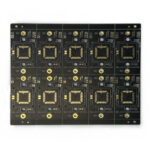
PCB Prototype Pricing: What Drives the Cost of a Sample Order
A prototype order is small, and that is the whole problem. Fabrication is organised around panels, chemical lines and machines that cost the same to start whether one board or a thousand comes out of them, so a sample order spreads a fixed cost across very few units. Understanding PCB prototype pricing means understanding which costs are fixed, which scale with the design, and which are bought deliberately.
What a Prototype Order Actually Buys
The visible deliverable is a handful of boards, but most of the invoice covers activities that happen once. Engineering review of the data, tooling setup, film or direct imaging preparation, drill programming, panel preparation and first-article inspection are all performed regardless of quantity, and their cost is divided by the number of boards ordered.
That is why the price per board falls so steeply between one sample and fifty. It is also why a prototype is a poor indicator of production cost: the fixed element that dominates a sample order almost disappears in volume, and the variables that matter at volume, such as yield and material utilisation, are barely visible in a small run.
Material Selection
Material is the first variable that a designer controls. Standard laminate is the cheapest option and covers most digital and low-frequency work. A metal-backed substrate costs considerably more because of the material itself and the additional processing it requires, and a high-frequency laminate can multiply the material share several times over.
The multiplier applies to the whole panel, not just to the area that needs the special material. That is the argument for keeping the high-performance region as small as the design allows, and for considering a hybrid stackup in which only the critical section uses the specialised laminate.

Layer Count and Process Complexity
Layer count is the strongest single driver. A single-layer prototype is a simple process, four layers add lamination and registration steps, and eight layers or more add sequential bonding. Each additional step raises the fixed cost that a small order cannot amortise.
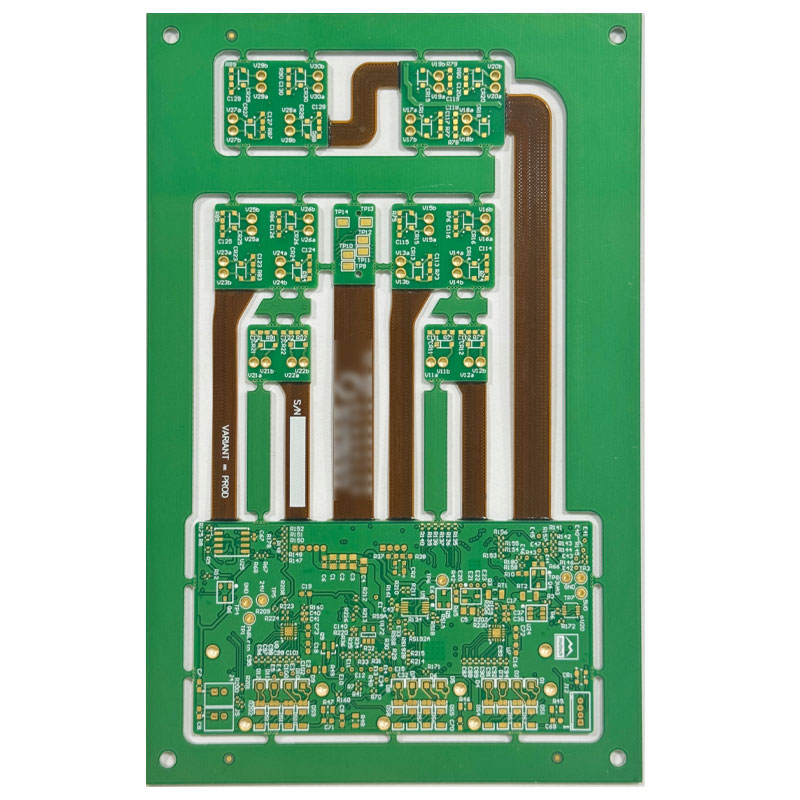
Advanced features behave the same way. Controlled impedance adds engineering and test coupons, blind and buried vias add drilling and lamination cycles, and high-density interconnect adds laser drilling and fine-line imaging. A rigid-flex construction combines several of these premiums at once, which is why it sits at the top of the prototype price range.
Turnaround Time
Speed is purchased from a queue. A standard lead time of one to two weeks reflects a normal position in the schedule, while a 48 hour service typically adds a substantial premium and a 24 hour service roughly doubles the standard price, because the order has to displace other work and travel through the line out of sequence.
The premium is worth paying when a schedule depends on it and wasteful otherwise. A design that is not yet frozen will gain nothing from a fast build, because the next revision will need another order anyway. Freezing the design first and then paying for speed is the sequence that actually saves time.
Prototype Quantity
Quantity interacts with everything else. One to five boards is the typical engineering sample order and carries the highest unit cost. Ten to fifty boards spreads the setup across enough units to reduce the unit price noticeably, and beyond a hundred boards the price begins to reflect production economics rather than prototype economics.
The most common mistake is ordering fewer boards than the review will need. A second order placed a week later repeats every fixed charge, which usually costs more than the additional boards would have in the first order. Counting the people who need a sample, and adding spares, is cheaper than assuming one will be enough.
Regional Cost Structure and Logistics
Regional differences follow labour cost, capacity and process maturity. High-volume manufacturing regions offer the lowest prices for straightforward boards because their lines are optimised for throughput. Suppliers in higher-cost regions charge more but often provide faster standard lead times, closer engineering support and a tighter quality documentation trail.
Freight and duty belong in the comparison. Express international shipping on a small order can add a meaningful fixed amount, and import charges vary by destination and by declared value. That is why a quotation should always be compared on delivered cost rather than on the board price alone.
Application-Specific Requirements
The application adds requirements the board itself does not imply. Consumer prototypes can be built to ordinary tolerances and tested for continuity. Automotive designs need wider temperature capability, more documentation and often a tighter inspection scope. Medical and aerospace prototypes add material traceability, qualification evidence and formal test reports.
Each of those additions is a legitimate cost, and each should be stated in the request rather than discovered later. A quotation that omits them is not cheaper, it is incomplete, and the difference appears as a change order after the panel has been built.
Trends and Cost Reduction
Two forces move prototype pricing in opposite directions. Raw material and energy costs push it up, and laminated material availability in particular has been volatile. Automation, online quoting and improved data handling push it down, by removing engineering labour from routine orders and reducing the number of clarifications each one generates.
The levers a designer controls are the same ones that reduce production cost. Keep the smallest sensible layer count, avoid advanced features that the design does not need, describe the requirements clearly in the design and fabrication package so that no clarification is needed, and compare delivered prices from more than one source rather than accepting the first quote.
Getting More From Each Prototype Order
Two practical habits reduce the cost of prototyping over a project. The first is to combine work: fitting several small designs onto one panel shares the panel outline and tooling cost across all of them. The second is to keep the design inside the supplier standard process window, since the manufacturable design rules are already the cheapest set of constraints available.
Finally, treat the prototype as a measurement rather than an outcome. The plans and data from the first build are what make the second one shorter, and the total cost of development is dominated by the number of iterations rather than by the price of any individual panel.
A Note on Panel Utilisation
Panel utilization is the quiet variable in prototype and production pricing alike. A design whose outline tiles efficiently on a standard panel uses less laminate and fewer tooling operations per board, while an awkward shape leaves unusable margins that are still paid for. Adjusting the outline or the orientation of a small board can change the effective price more than negotiating a discount, and it costs nothing to try before the design is released.
FAQ
Why is a prototype so much more expensive per board than production? Because the fixed charges are divided by very few units. Engineering, tooling, setup and first-article inspection cost the same for one board as for a thousand.
Is a faster prototype worth the premium? Only when the schedule depends on it and the design is frozen. Paying for speed on a design that will change again simply moves the delay rather than removing it.
How can prototype cost be reduced without lowering quality? Reduce unnecessary process steps, avoid specialised material where standard laminate meets the requirement, combine designs onto one panel, and compare delivered prices rather than board prices.