high Tg FR4 PCB

High Tg FR4 PCB Material: Complete Technical Guide 2026

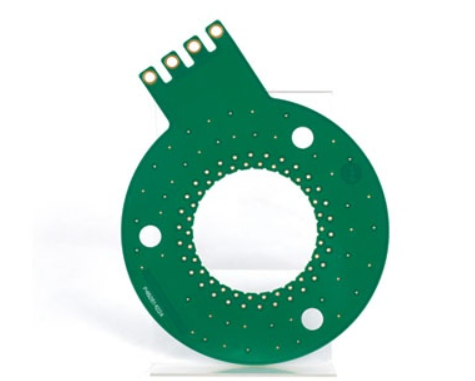
High Tg FR4 PCB Material: Complete Technical Specifications and Selection Guide (2026) High Tg FR4 PCB material is an enhanced glass-reinforced epoxy laminate with a glass transition temperature of 170–180°C, specifically engineered to withstand lead-free assembly processes and high-temperature operating environments. Standard FR4 (Tg 130–140°C) softens during 260°C lead-free reflow,…
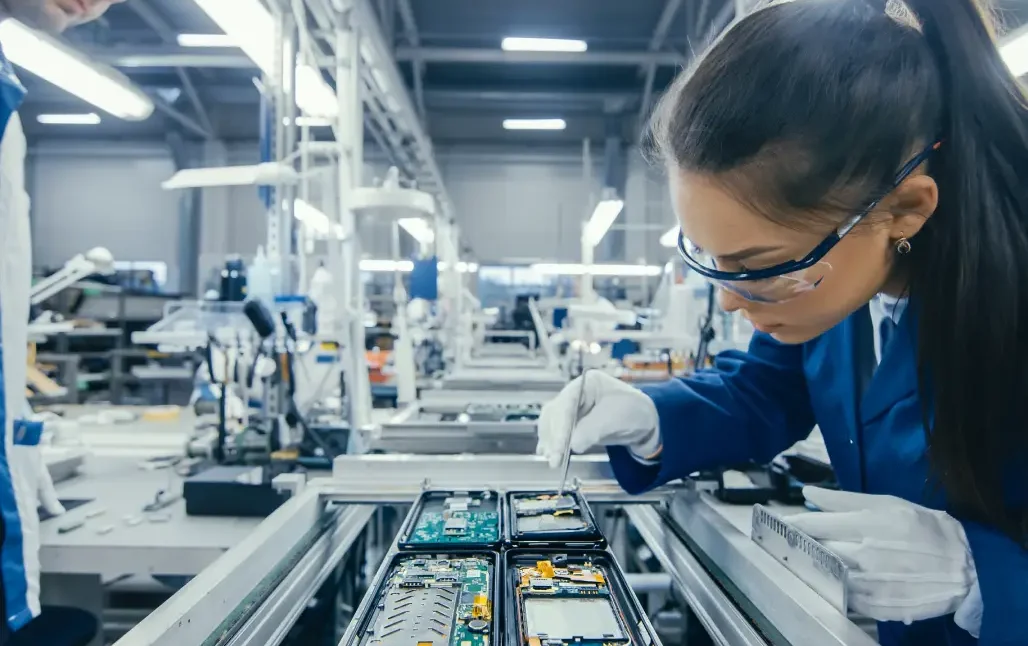
Electronic Assembly

PCB Materials and Specifications: Complete Engineer’s Guide 2026

PCB Materials and Specifications: The Complete Engineer’s Guide for 2026 Selecting the right PCB materials and specifications is the single most consequential decision in board design — it determines signal integrity, thermal performance, manufacturing yield, and field reliability. This guide covers every major substrate family, IPC specification framework, key electrical…
One-Stop PCBA Services

Best Material for PCB Manufacturing: FR4, Rogers, PTFE, and High-Tg Laminate Comparison

Best Material for PCB Manufacturing: FR4, Rogers, PTFE, and High-Tg Laminate Comparison The best material for PCB manufacturing depends on your operating frequency, thermal environment, mechanical requirements, and cost constraints. For most general-purpose applications below 1–2 GHz, standard FR4 is the most cost-effective choice. For high-frequency designs above 3 GHz,…
Flexible Printed Circuit (FPC)

Polyimide Flexible PCB Material: Properties, Applications, and Selection Guide

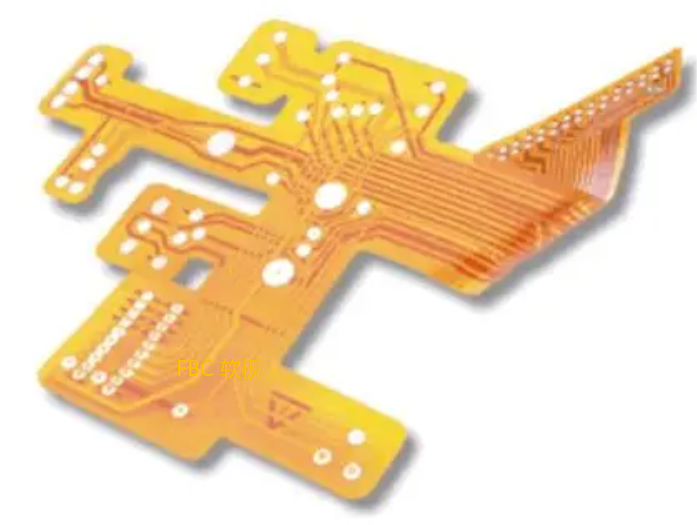
style=”font-size: 43px;”>Polyimide Flexible PCB Material: Properties, Applications, and Selection Guide Polyimide flexible PCB material is the industry-standard substrate for flexible printed circuits, offering an unmatched combination of thermal endurance, mechanical flexibility, and chemical resistance that no other organic substrate can match. With a continuous operating range from -269°C to +400°C…
Green Materials in PCB Assembly

RF PCB Substrate Material: Complete Guide to High-Frequency Laminate Selection

RF PCB Substrate Material: The Complete Guide to High-Frequency Laminate Selection for 5G and mmWave Designs Selecting the right RF PCB substrate material is the single most consequential decision in high-frequency circuit design—it directly determines signal integrity, insertion loss, impedance accuracy, and overall system performance. For applications above 1 GHz,…
AI and Smart Factory in PCB Manufacturing

Electric Vehicle PCB Manufacturing: Standards, Materials & Process

Electric Vehicle PCB Manufacturing: Complete Guide to Standards, Materials, and Process Electric vehicle PCB manufacturing demands circuit boards that withstand extreme thermal cycling, high voltage, and vibration while maintaining reliability for 15+ years. The global PCB for electric vehicles market is expected to reach USD 24.7 billion by 2033, growing…
Make-up water quality check at a plating tank

Automotive PCB Manufacturing: Process, Standards & Materials

Automotive PCB Manufacturing: Process, Standards and Materials Automotive PCB manufacturing is a specialized fabrication process governed by IPC-6012F Class 3/A requirements, IATF 16949 quality management, and AEC-Q component qualification standards. The process transforms copper-clad laminates into high-reliability circuit boards capable of withstanding -40°C to +150°C temperature extremes, high vibration, humidity,…
Electronic Assembly

Multilayer PCB Manufacturing Process: Complete Step-by-Step Guide

Multilayer PCB Manufacturing Process: Complete Step-by-Step Guide Multilayer PCB manufacturing is a sequential fabrication process that transforms copper-clad laminates into complex circuit boards with three or more conductive layers. The process begins with design data preparation (CAM) and inner layer imaging, followed by layer stack-up and lamination under heat and…