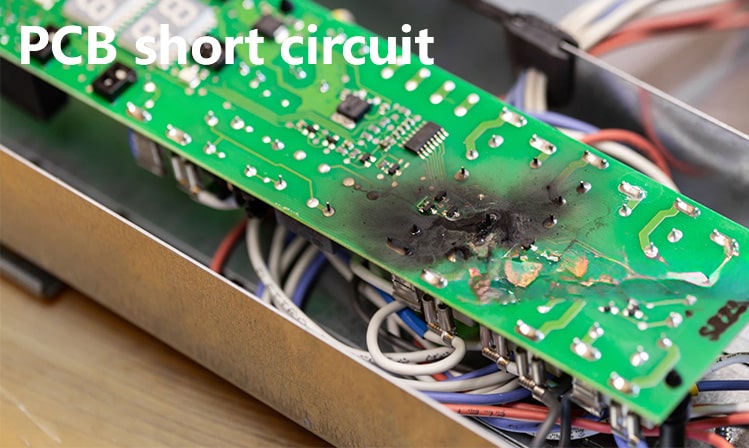
Thermal Interface Degradation Over Product Life
A thermal interface is specified by its resistance when new and by its stability over the life of the product. The second number is the one that decides whether the design still works after a year.
Pump Out and Dry Out
A grease migrates away from the area of highest pressure as the assembly cycles, which is called pump out. The gap that is left behind is filled by air.
A pad or a gap filler can dry out as its carrier evaporates, which reduces its compliance and its contact. Both effects are gradual and both appear as a slow rise in temperature. Our interface notes describe the materials and their mounting.
Pressure and Its Loss
The interface resistance depends on the contact pressure, and the pressure falls when the mounting hardware relaxes or when the material creeps.
A screw that loses preload through a creeping washer reduces the pressure and the temperature rises with it. Our fastener notes describe the preload that has to be maintained.
Thermal Cycling and the Interface
The two surfaces move relative to each other as the assembly heats and cools, and the interface material has to accommodate that movement without being pushed out.
A material that is too soft is displaced and one that is too hard does not conform. The choice follows the movement the assembly will see. Our thermal cycling notes describe the test.

Measuring the Change
The measurement is the case temperature at a defined load, taken at intervals over a thermal cycling or a life test, rather than the resistance of the material on a bench.
A rise of a few degrees over a test is a change that matters on a design that is close to its limit. Our thermal measurement notes describe how the measurement is made.
Design Measures
A larger interface area reduces the resistance and it also reduces the pressure for a given force, so the two are traded rather than improved together.
A gap that is well controlled allows a thinner material, which has a lower resistance and less material to migrate. Our mounting notes describe the stack that sets the gap.
Where the Interface Is Not the Problem
A rise in temperature after a life test can also come from a dust blocked heatsink, a fan that has slowed or a solder joint that has aged.
The interface should be identified as the cause by measurement rather than by elimination, because the three have different remedies. Our failure analysis notes describe the sequence.
Verification
The verification is the initial resistance measured on the assembly and the same measurement repeated after the environmental exposure the product will see.
Where the change is not measured, the design assumes an interface that does not exist. Our quality notes describe how the result is recorded.
Process Control and Verification
On a design of this kind, thermal interface is the item that decides how the rest of the board is arranged. A stack-up that is drawn rather than described removes most of the ambiguity from a quotation, and it lets the fabricator price the board against the dielectric and copper weights that will actually be used. Where the requirement is not written down, the shop supplies its own default, and the default is chosen for the process rather than for the design.
The measurements that matter are the repeatable ones: conductor width and spacing, annular ring, finished hole size, plating thickness and surface finish are all verifiable on a coupon that travels with the panel. Running a first article through the same checks as the production panel confirms that the two agree, and that comparison is the cheapest form of process control available at prototype stage.
Keeping a sample from the panel turns a dispute into a measurement, because the same coupon can be re-examined by both parties without rebuilding the batch. Reviewing the design before the data is released is cheaper than correcting it after the panel is in the tank, because every step downstream inherits the decision made at the front end.
Documenting the assumption is part of the design work, and a short note on the drawing prevents a question that would otherwise arrive a day later and cost a day of schedule. The process window is set by the narrowest step in the flow, so an improvement anywhere else shows up as margin rather than as yield until that step is addressed.
A short note on the drawing about handling, storage or packaging is often worth more than an extra decimal place on a tolerance.
Process Control and Verification
On a design of this kind, thermal interface is the item that decides how the rest of the board is arranged. A stack-up that is drawn rather than described removes most of the ambiguity from a quotation, and it lets the fabricator price the board against the dielectric and copper weights that will actually be used. Where the requirement is not written down, the shop supplies its own default, and the default is chosen for the process rather than for the design.
The measurements that matter are the repeatable ones: conductor width and spacing, annular ring, finished hole size, plating thickness and surface finish are all verifiable on a coupon that travels with the panel. Running a first article through the same checks as the production panel confirms that the two agree, and that comparison is the cheapest form of process control available at prototype stage.
Keeping a sample from the panel turns a dispute into a measurement, because the same coupon can be re-examined by both parties without rebuilding the batch.
Process Control and Verification
On a design of this kind, thermal interface is the item that decides how the rest of the board is arranged. A stack-up that is drawn rather than described removes most of the ambiguity from a quotation, and it lets the fabricator price the board against the dielectric and copper weights that will actually be used. Where the requirement is not written down, the shop supplies its own default, and the default is chosen for the process rather than for the design.
The measurements that matter are the repeatable ones: conductor width and spacing, annular ring, finished hole size, plating thickness and surface finish are all verifiable on a coupon that travels with the panel.
Process Control and Verification
On a design of this kind, thermal interface is the item that decides how the rest of the board is arranged. A stack-up that is drawn rather than described removes most of the ambiguity from a quotation, and it lets the fabricator price the board against the dielectric and copper weights that will actually be used. Where the requirement is not written down, the shop supplies its own default, and the default is chosen for the process rather than for the design.
A first article check confirms that the process and the drawing agree on the points listed above, and that the coupon data supports the values used in the design.
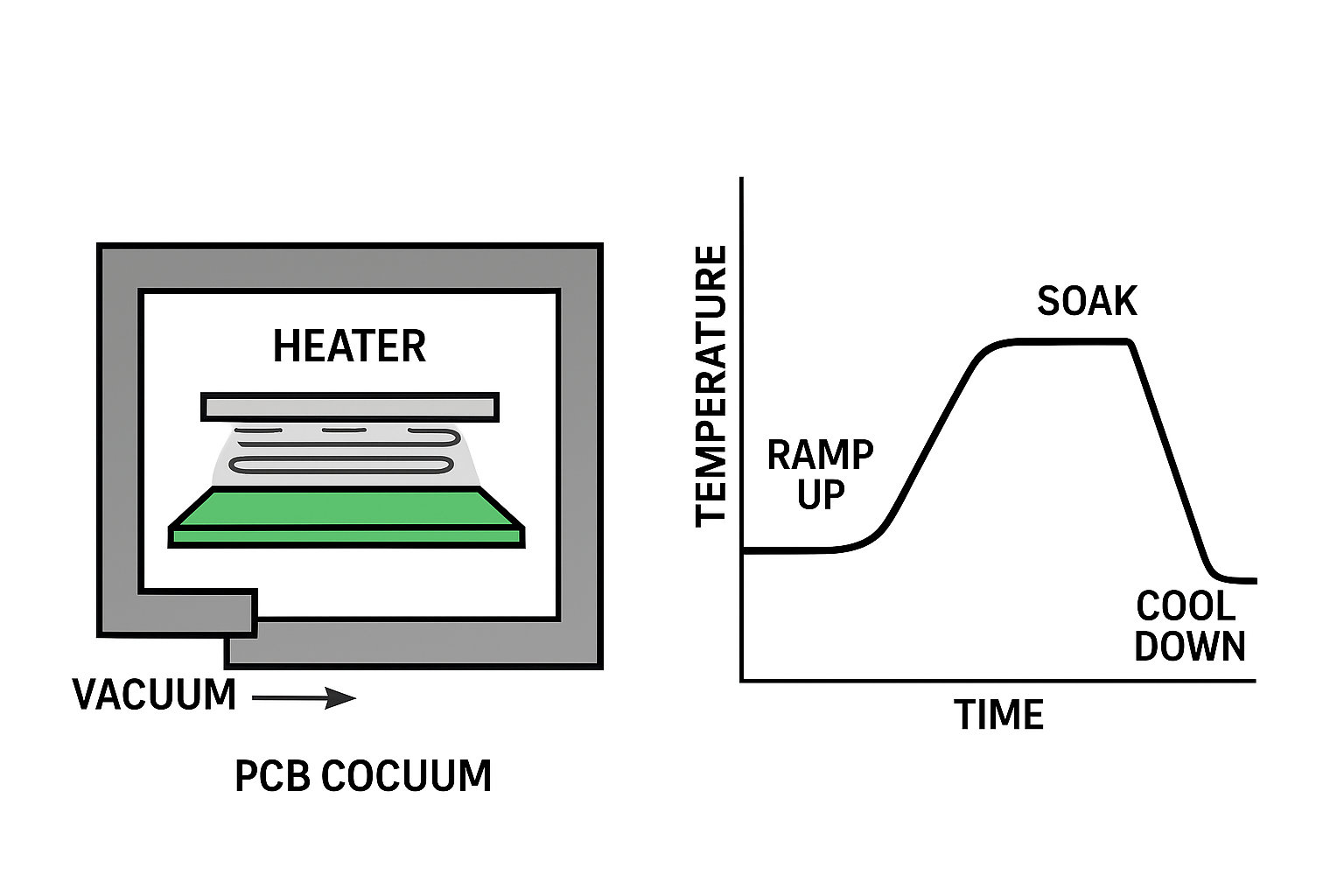
Where a measurement falls outside the expected window, the sample is retained so that the cause can be established before the balance of the batch is released.
FAQ
Is a pad more stable than grease? A pad avoids pump out and it starts with a higher resistance. The choice depends on the gap and the pressure.
Can the interface be reworked? It can be replaced where the assembly allows access, and the pressure has to be re-established and measured.
What does gopcb provide for interface reliability? We provide material selection against the gap, the pressure and the movement, mounting design that maintains the preload, case temperature measurement at a defined load, repeated measurement after environmental exposure, and cause identification by measurement rather than elimination.