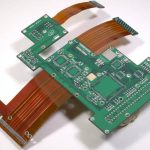
In today’s fast-moving electronics industry, product development schedules are becoming increasingly demanding. Engineers, startups, OEMs, and electronics manufacturers often need functional circuit boards within days rather than weeks to validate designs, correct engineering problems, or respond to urgent production requirements.
This is where Quick Turn PCB manufacturing becomes a valuable solution.
Also known as Rapid PCB, Fast Turn PCB, or Expedited PCB Manufacturing, quick-turn production uses accelerated engineering review, optimized manufacturing workflows, stocked materials, priority production scheduling, automated equipment, and streamlined inspection procedures to reduce PCB manufacturing lead times.
Quick Turn PCB services are particularly suitable for prototypes, low-volume production, new product introduction (NPI), engineering verification, urgent replacement boards, and other applications where delivery speed is critical.
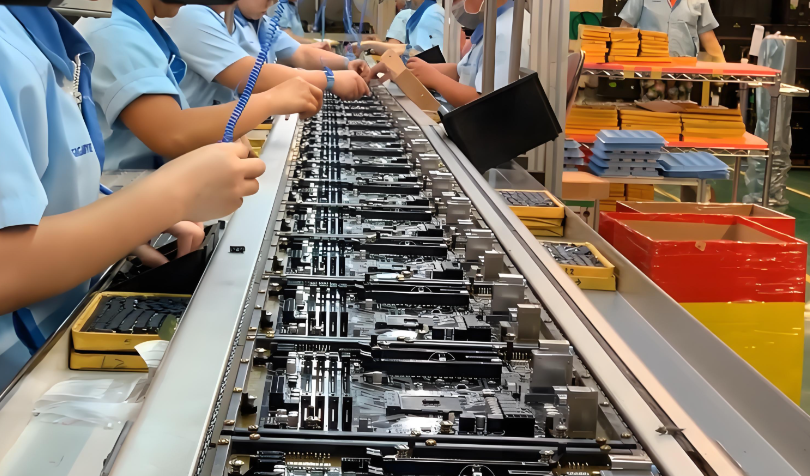
Kingda provides integrated Quick Turn PCB Manufacturing and Quick Turn PCB Assembly services, covering PCB fabrication, component sourcing, SMT/THT assembly, AOI, X-ray, ICT, FCT, and functional testing. Kingda’s published prototype service supports no-MOQ orders, rapid prototyping, and expedited production options depending on project specifications. (Kingda)
What Is Quick Turn PCB?
A Quick Turn PCB is a printed circuit board manufactured and delivered on an accelerated schedule compared with conventional PCB production.
Traditional PCB manufacturing can require several days or weeks depending on:
- Board layer count
- PCB complexity
- Material selection
- Surface finish
- Quantity
- Special manufacturing processes
- Testing requirements
By contrast, Quick Turn PCB Manufacturing focuses on shortening non-value-added waiting time while keeping the required fabrication and quality-control processes intact.
The typical workflow includes:
Design Review → DFM → CAM Preparation → PCB Fabrication → Drilling → Plating → Etching → Solder Mask → Surface Finish → Electrical Testing → Inspection → Shipment
For Quick Turn PCB Assembly, the process may continue with:
BOM Validation → Component Procurement → Solder Paste Printing → SMT Placement → Reflow Soldering → AOI/X-Ray → THT Assembly → ICT/FCT → Final Inspection
The purpose of quick-turn manufacturing is not simply to make a PCB faster. A professional quick-turn manufacturer must balance speed, quality, reliability, and manufacturability.
Typical Quick Turn PCB Lead Times
Lead time varies according to board structure, production quantity, material availability, and manufacturing requirements.
For reference, a quick-turn PCB manufacturer may offer target production windows such as:
| PCB Type | Typical Quick-Turn Window | Typical Application |
|---|---|---|
| 2–4 Layer PCB | Up to 48 hours* | Simple prototypes and urgent engineering boards |
| 6–8 Layer PCB | Up to 96 hours* | Multilayer prototypes and NPI |
| 10–12 Layer PCB | Around 4 working days* | More complex multilayer designs |
| HDI/Specialty PCB | Generally longer | Advanced interconnect and high-density designs |
*Actual lead time depends on the PCB specification, material availability, production capacity, testing requirements, and shipping method. These figures should be confirmed with the manufacturer before ordering.
Kingda currently publishes prototype PCB/PCBA lead times of approximately 2–3 days under normal conditions, with an expedited prototype option as fast as 12 hours under specified conditions. Its published low-volume lead time is normally 3–5 days, while volume production is listed at 5–7 days. (Kingda)
Why Choose Quick Turn PCB?
1. Faster Time to Market
The primary advantage of Quick Turn PCB Services is speed.
A shorter manufacturing cycle allows engineering teams to move more quickly through:
Design → Prototype → Test → Revision → Validation
Instead of waiting weeks between design revisions, teams can potentially complete multiple hardware iterations within a much shorter period.
This is particularly useful for:
- Consumer electronics
- IoT devices
- Automotive electronics
- Medical equipment
- Industrial automation
- Telecommunications
- Robotics
- AI hardware
2. Faster Design Validation
A PCB schematic and simulation cannot reveal every physical problem.
A real prototype allows engineers to verify:
- Electrical performance
- Signal integrity
- Power integrity
- Thermal behavior
- Component compatibility
- Mechanical fit
- Firmware integration
- Communication interfaces
The sooner a physical board is available, the sooner these issues can be identified.
3. Reduced Development Risk
Manufacturing problems discovered during prototyping are generally easier to correct than those discovered after mass production begins.
With Rapid PCB Prototyping, engineers can identify design problems before large quantities of components, tooling, labor, and production capacity are committed.
4. Emergency Production Support
Quick-turn manufacturing is also useful when a manufacturer needs replacement boards quickly.
Typical situations include:
- Unexpected PCB shortages
- Production line interruptions
- Urgent engineering revisions
- Failed field units
- Customer-specific modifications
- Demonstration units
- Trade-show hardware
5. Flexible Low-Volume Production
Quick-turn services are particularly useful for small production quantities.
Kingda states that its prototype PCB assembly service supports no minimum order quantity, allowing customers to order the number of boards needed for engineering verification without being forced into unnecessary production volumes. (Kingda)
Quick Turn PCB Design Considerations
Designing for speed begins before the PCB is sent to manufacturing.
Design for Manufacturability
DFM (Design for Manufacturability) is one of the most important considerations in quick-turn PCB projects.
The design should be compatible with the manufacturer’s capabilities and should avoid unnecessary manufacturing complexity.
Engineers should review:
- Trace width
- Trace spacing
- Via size
- Pad dimensions
- Annular ring
- Solder-mask clearance
- Board-edge clearance
- Component spacing
Kingda’s engineering team performs DFM checks on submitted PCB designs and reviews BOM and Gerber information before production. (Kingda)
Component Selection
For Quick Turn PCB Assembly, component availability can be just as important as PCB fabrication speed.
Whenever possible, choose:
- Standard components
- Readily available packages
- Components with multiple suppliers
- Long-life components
- Approved alternative parts
Kingda maintains sourcing relationships with major distributors including Digi-Key, Mouser, and Element14, according to its published PCB assembly information. (Kingda)
PCB Size and Complexity
Large or highly complex boards require more manufacturing and inspection steps.
To improve turnaround time, designers should avoid unnecessary:
- Layer counts
- Blind and buried vias
- Extremely fine traces
- Unusual board geometries
- Specialty materials
Advanced structures should still be used whenever the electrical or mechanical requirements justify them.
Trace and Via Spacing
Trace and via dimensions must comply with the manufacturing capabilities of the selected supplier.
If a design uses extremely small geometries without confirming process capability first, the manufacturer may need additional engineering review or process adjustments, increasing lead time.
PCB Stackup
For multilayer and high-speed PCBs, the stackup must be defined carefully.
The design should consider:
- Dielectric thickness
- Copper thickness
- Impedance
- Signal integrity
- Power integrity
- Thermal requirements
- Layer-to-layer registration
A well-planned stackup can reduce engineering changes during production.
Quick Turn PCB Manufacturing Process
The manufacturing process is similar to conventional PCB fabrication, but the workflow is optimized for speed.
1. PCB Design
The PCB is designed using EDA software such as Altium Designer, KiCad, Cadence, or other PCB design platforms.
The design must meet both electrical requirements and manufacturing rules.
2. CAM Preparation
The manufacturer’s engineering team converts the design data into manufacturing instructions.
Typical production data includes:
- Gerber files
- NC drill files
- Stackup
- Board outline
- Solder-mask data
- Surface-finish requirements
3. PCB Fabrication
The manufacturing process may include:
- Inner-layer imaging
- Etching
- Lamination
- Drilling
- Copper plating
- Outer-layer imaging
- Solder mask
- Silkscreen
- Surface finish
Advanced processes such as LDI and laser drilling can be used for high-density designs.
4. Component Assembly
For Quick Turn PCBA, components are assembled using:
- SMT
- THT
- Mixed technology
- Reflow soldering
- Wave soldering
- Selective soldering
Kingda supports SMT, through-hole, and mixed-technology PCB assembly, including automated and manual assembly processes. (Kingda)
5. Inspection and Testing
Quality control is an essential part of rapid PCB production.
Typical inspection methods include:
SPI → AOI → X-Ray → ICT → FCT → FAI
Kingda’s published testing capabilities include AOI, X-ray inspection, ICT, FCT, and FAI. (Kingda)
6. Final Inspection and Shipping
After all required tests are completed, the finished PCBs or PCB assemblies are packaged using appropriate ESD protection and prepared for shipment.
For urgent projects, shipping can be coordinated according to the required project schedule.
How to Choose a Quick Turn PCB Assembly Service
Choosing a fast manufacturer requires more than looking at the advertised delivery time.
1. Evaluate Turnaround Time
Confirm whether the stated lead time includes:
- Engineering review
- PCB fabrication
- Component procurement
- Assembly
- Testing
- Shipping
A supplier that quotes only fabrication time may not provide an accurate total project schedule.
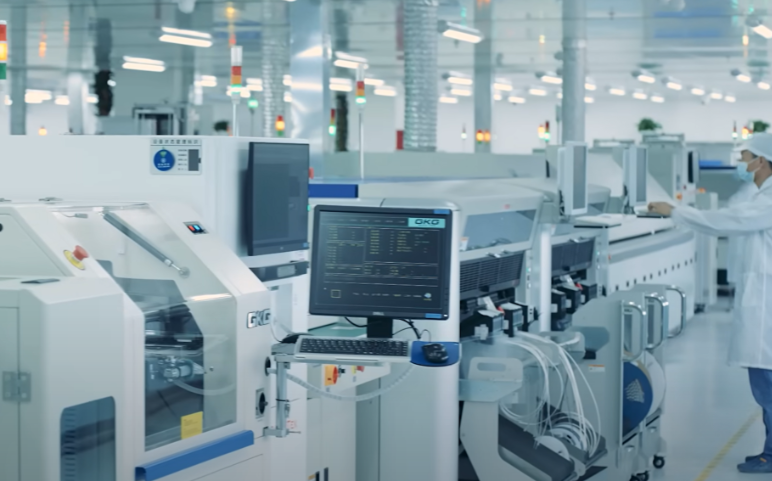
2. Evaluate Engineering Expertise
A good Quick Turn PCB Manufacturer should provide engineering support before manufacturing.
Look for:
DFM + DFA + BOM Review + PCB Layout Review + Manufacturing Feedback
3. Check Manufacturing Capabilities
The supplier should support your required technologies, such as:
- Multilayer PCBs
- HDI PCBs
- High-frequency PCBs
- Flexible PCBs
- Rigid-flex PCBs
- Heavy copper PCBs
- BGA
- QFN
- Fine-pitch devices
- 01005/0201 components
Kingda’s published prototype capabilities include rigid, flexible, and rigid-flex PCBs, 01005/0201 components, BGA down to 0.25 mm pitch, and precision component placement. (Kingda)
4. Check Component Sourcing
For turnkey assembly, component procurement can determine the entire delivery schedule.
Ask whether the manufacturer can:
- Source components
- Identify shortages
- Recommend substitutes
- Verify supplier information
- Maintain traceability
- Support long-term sourcing
5. Review Inspection Capability
Fast production should never mean reduced inspection.
A professional supplier should have access to:
SPI, AOI, X-Ray, ICT, FCT, and FAI
6. Assess Communication
Quick-turn projects require rapid communication.
Kingda states that it provides rapid technical support and lists a 24/7 sales and technical-support service on its website. (Kingda)
Benefits of China Quick Turn PCB Manufacturing
Fast Turnaround
China has a mature electronics manufacturing supply chain and extensive PCB fabrication and assembly infrastructure.
For customers with urgent prototype requirements, an established Chinese PCB manufacturer can combine fabrication, component procurement, assembly, and testing to reduce supplier coordination.
Cost Efficiency
Large-scale manufacturing ecosystems can provide competitive pricing, particularly for prototypes that later transition to low-volume or mass production.
Kingda offers a production model covering rapid prototyping, low-volume manufacturing, and volume production, allowing projects to remain with the same manufacturing partner as quantities increase. (Kingda)
Advanced Manufacturing Technology
China’s PCB manufacturing market supports a broad range of technologies, including:
- Multilayer PCB
- HDI
- Flexible PCB
- Rigid-flex PCB
- High-frequency PCB
- Heavy-copper PCB
- Fine-pitch SMT
- BGA assembly
Kingda’s published PCB fabrication capabilities extend to advanced multilayer and HDI structures, with up to 20 layers listed under its standard capabilities and advanced manufacturing options supporting significantly higher layer counts. (Kingda)
Flexible Customization
Quick-turn projects frequently change during development.
A capable manufacturing partner should therefore provide flexible options for:
- Board materials
- Layer counts
- Copper thickness
- Surface finishes
- PCB dimensions
- Assembly methods
- Testing procedures
Kingda Quick Turn PCB Advantages
1. Rapid PCB Prototyping
Kingda specializes in Rapid PCB Prototyping and publishes:
- No MOQ
- 4–7 day quick-turn rapid prototyping
- Normal prototype lead time of 2–3 days
- Fastest expedited prototype lead time of 12 hours under specified conditions
- Low-volume production of approximately 3–5 days
- Volume production of approximately 5–7 days
Actual lead time depends on design complexity, component availability, materials, quantity, and testing requirements. (Kingda)
2. Advanced PCB Assembly
Kingda provides:
SMT + THT + Mixed Technology + BGA + QFN + Fine-Pitch Assembly
Its published capabilities include 01005 and 0201 components and BGA packages down to 0.25 mm pitch for prototype services. (Kingda)
3. Automated Production
Kingda’s rapid prototype service lists 8 fully automatic PCBA production lines, supporting rapid and repeatable manufacturing. (Kingda)
4. Comprehensive Testing
Kingda provides:
AOI + X-Ray + ICT + FCT + FAI
for PCB assembly inspection and testing. (Kingda)
5. Integrated Supply Chain
Kingda combines PCB manufacturing with component sourcing and assembly, helping customers reduce the coordination involved in managing multiple suppliers. (Kingda)
6. One-Stop PCB/PCBA Manufacturing
Kingda’s services cover:
PCB Design → PCB Fabrication → Component Procurement → SMT/THT → Testing → Box Build
This makes it possible to move from prototype to production within a unified manufacturing system. (Kingda)
7. Quality Management
Kingda reports ISO 9001, ISO 13485, and IATF 16949 quality-management certifications and uses standardized production and inspection systems. (Kingda)
Quick Turn PCB vs. Standard PCB Manufacturing
| Factor | Quick Turn PCB | Standard PCB Manufacturing |
|---|---|---|
| Lead Time | Hours to several business days | Several days to weeks |
| Typical Quantity | Prototype/low volume | Medium/high volume |
| Unit Cost | Higher | Lower |
| Material Selection | Usually focuses on available materials | Broader selection |
| Engineering Changes | More flexible | More controlled |
| Best Application | Prototypes and urgent requirements | Planned production |
| Production Strategy | Priority scheduling | Standard scheduling |
The key trade-off is speed versus unit cost. Quick-turn manufacturing is valuable when saving development time is more important than minimizing the initial unit price.
Conclusion
Quick Turn PCB Manufacturing has become an important solution for engineers and electronics companies facing demanding development schedules.
A successful quick-turn project requires much more than simply accelerating fabrication. It depends on a combination of:
DFM Engineering + Available Materials + Reliable Component Sourcing + Automated PCB Manufacturing + SMT/THT Assembly + AOI/X-Ray + Electrical Testing + Fast Logistics
For simple prototypes, the goal may be to receive a few working boards as quickly as possible. For more advanced projects, the ideal supplier should also support the transition from Prototype → Low Volume → Mass Production.
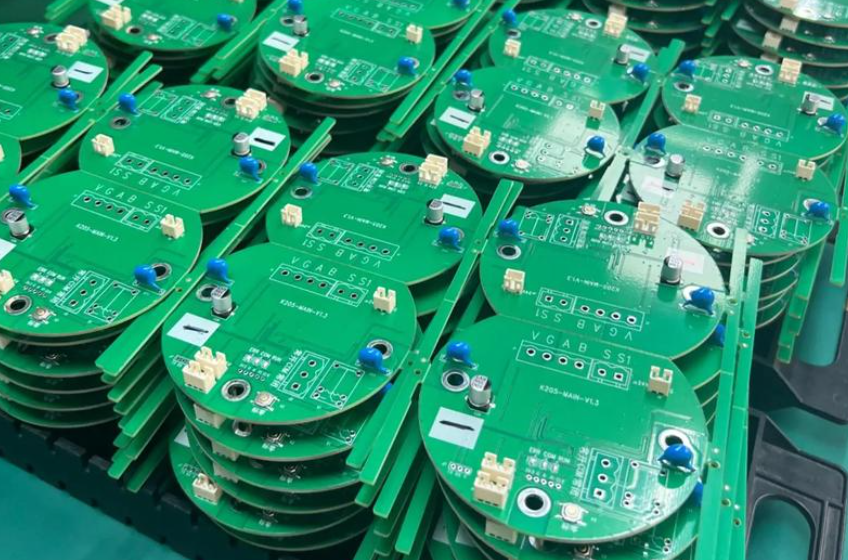
Kingda provides an integrated Quick Turn PCB and PCBA solution covering PCB fabrication, component sourcing, rapid SMT/THT assembly, inspection, testing, and production scaling. Its published capabilities include no-MOQ prototyping, 2–3 day normal prototype lead times, expedited prototype service, 01005/0201 assembly, BGA support, AOI/X-ray inspection, ICT/FCT testing, and volume production. (Kingda)
For startups, OEMs, R&D teams, and electronics manufacturers, choosing a manufacturing partner with both rapid response and comprehensive manufacturing capabilities can significantly shorten development cycles while maintaining product quality.