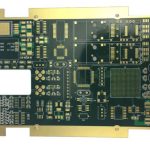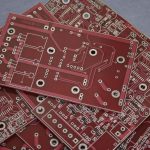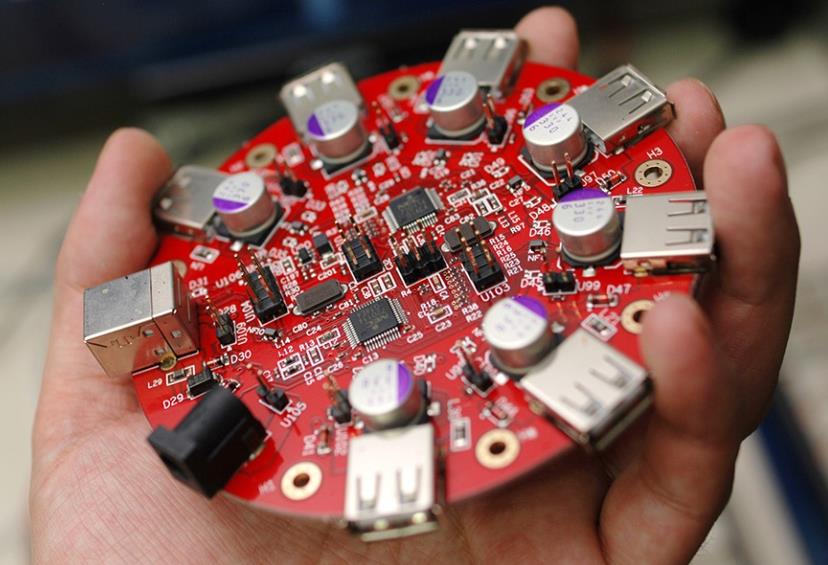
2026 Computer PCB Pricing – Market Cost Breakdown & Key Factors
With the growth of artificial intelligence (AI), high‑performance computing (HPC), cloud computing, edge computing, and industrial automation, PCBs for computer motherboards and computing platforms are facing ever‑higher performance demands. From standard PC motherboards to industrial computers, AI servers, and embedded control platforms, high‑speed, high‑layer, and high‑reliability PCBs are essential for modern computer hardware.
For equipment manufacturers, R&D engineers, and procurement professionals, the key question is: How much does a computer PCB cost in 2026?
In reality, there is no single price – it depends on layer count, material type, board size, copper weight, surface finish, impedance control, HDI structures, production volume, and assembly processes.
This article provides a full breakdown of 2026 computer PCB pricing, cost drivers, and practical procurement advice, drawing on gopcb’s manufacturing experience.
1. What Is a Computer PCB?
A computer PCB is the central interconnect carrier for CPUs, GPUs, memory, chipsets, power management, interface chips, and peripheral components. It delivers high‑speed signal transmission and stable power distribution.
Common applications include desktop motherboards, laptop boards, industrial PCs (IPCs), Mini PCs, embedded computing platforms, AI server motherboards, edge computing devices, network/telecom equipment, and medical computing platforms.
With technologies like PCIe Gen5/Gen6, DDR5, USB4, and 100G/400G Ethernet, modern computer PCBs typically feature multilayer designs, high‑speed signals, impedance control, HDI, low‑loss materials, high reliability, and excellent thermal performance.
2. Key Factors Affecting Computer PCB Pricing
2.1 Layer Count
Layer count is one of the most significant cost drivers. Common counts: 2, 4, 6, 8, 10, 12, 16, and 20+ layers for server backplanes. More layers mean more lamination cycles, tighter drilling alignment, and stricter quality control – all increasing cost.
2.2 Substrate Material
Material choice directly affects performance and cost. Options include FR4, high‑Tg FR4, low‑loss FR4, Panasonic Megtron series, Isola high‑speed laminates, and Rogers hybrids. For AI servers and high‑speed networking, low‑Dk/Df materials are often required, costing several times more than standard FR4.
2.3 Board Size
Larger boards consume more copper‑clad laminate, copper foil, solder mask, and processing time, increasing overall cost. Typical sizes: Mini‑ITX, Micro‑ATX, ATX, E‑ATX, and large industrial control boards.
2.4 Surface Finish
Options include HASL, lead‑free HASL, ENIG, immersion silver, immersion tin, OSP, and hard gold. ENIG is the most common for motherboards due to its flatness and suitability for BGA and high‑density pads.
2.5 HDI and Via Structures
Advanced PCBs use through‑holes, blind vias, buried vias, via‑in‑pad, resin‑plugged vias, and laser microvias. Higher HDI levels increase processing difficulty and cost.
2.6 Impedance Control
High‑speed buses (PCIe Gen5/Gen6, DDR5, USB4, Thunderbolt, SATA, DisplayPort, high‑speed Ethernet) require precise impedance control, which demands accurate trace width, dielectric thickness, and Dk management – adding to manufacturing costs.
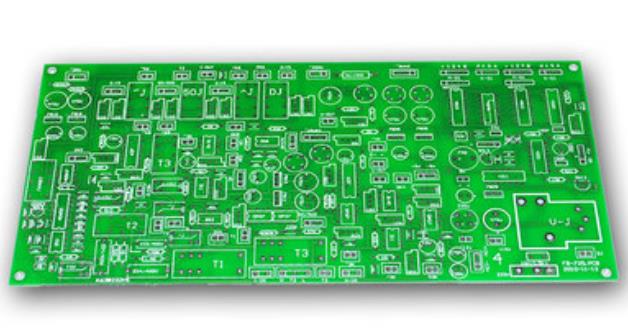
3. 2026 Computer PCB Bare‑Board Price Reference
Prices below are for bare PCBs (excluding components and SMT assembly).
- Prototype (1–5 pcs): $50–200 per board
- Engineering samples (10–50 pcs): $20–80 per board
- Low volume (100–500 pcs): $8–35 per board
- Medium volume (500–5000 pcs): $4–18 per board
- High volume (10,000+ pcs): $1.5–8 per board
Final quotes depend on thickness, copper weight, trace precision, material brand, special processes, and delivery time.
4. PCBA Assembly Cost Breakdown
If you need assembled boards, additional costs include SMT placement, DIP insertion, BGA soldering, AOI, X‑ray, ICT, flying probe, and functional testing (FCT). Typical PCBA charges:
- Prototype samples: $80–300 per set
- Low volume: $15–80 per board
- High volume: $3–20 per board
Note that for motherboard projects, core components (CPU, GPU, chipset, DDR, FPGA) often dominate total BOM cost – the PCB itself is only a fraction.
5. Cost Comparison of Different PCB Materials
- Standard FR4: lowest cost, for consumer products
- High‑Tg FR4: +10–20%, better thermal stability
- Low‑loss FR4: +20–50%, for high‑speed digital signals
- Panasonic Megtron: 2–4× FR4, for servers and telecom
- Rogers hybrid: 3–6× FR4, for RF/high‑speed mixed designs
6. How Layer Count Affects Cost (Relative to 2‑layer)
- 2‑layer: 1× (baseline)
- 4‑layer: ~1.8×
- 6‑layer: ~2.5×
- 8‑layer: ~3.5×
- 10‑layer: ~4.5×
- 12‑layer: ~5.8×
- 16+ layers: 8× or higher
Optimising layer count is an effective way to control cost.
7. How to Reduce Computer PCB Manufacturing Costs
- Use standard thickness and copper weights where possible.
- Avoid over‑specifying layer count.
- Minimise blind/buried vias, via‑in‑pad, and other high‑cost features.
- Optimise board size to improve panel utilisation.
- Unify design rules and reduce special process requirements.
- Conduct a DFM review early to reduce trial‑production risks.
- Plan order quantities to achieve better volume pricing.
- Choose a one‑stop supplier to reduce supply chain overhead.
For professional DFM support, visit our PCB design & layout service.
8. Why Choose gopcb for Computer PCB Manufacturing?
As a professional PCB manufacturer, gopcb specialises in high‑reliability PCBs and PCBA services, offering one‑stop solutions from prototyping to mass production.
- Quick‑turn PCB prototyping in as fast as 24 hours
- Up to 40+ layer high‑multilayer boards
- HDI, high‑speed, high‑frequency, and hybrid capabilities
- Impedance control, sequential lamination, and hybrid materials
- SMT assembly, BGA, and full system integration
- AOI, X‑ray, ICT, flying probe, and functional testing
- IPC Class 2/Class 3 compliance and ISO9001 certification
- DFM, DFA, and material selection engineering support
Whether you need motherboards, industrial control boards, embedded computing platforms, or AI server PCBs, gopcb delivers high‑quality, reliable manufacturing. Explore our PCB manufacturing and SMT PCB assembly services, as well as turnkey assembly for complete solutions.
9. Frequently Asked Questions
Q1: How much does a typical computer PCB cost?
A 4–6 layer board in low volume typically ranges from $8–35 per board; prototypes range from $50–200 depending on complexity.
Q2: Why are AI server PCBs more expensive?
They use high‑layer counts, low‑loss high‑speed materials, HDI structures, tight impedance control, and stringent testing – all driving up cost.
Q3: Why is ENIG more expensive than HASL?
ENIG offers superior solderability, flatness, and corrosion resistance, making it ideal for BGA and high‑density designs, hence higher cost.
Q4: How can I lower PCB procurement costs?
Optimise layer count, reduce complex features, standardise materials, use DFM reviews, and consolidate volumes for better pricing.
Q5: Does gopcb support both prototyping and volume production?
Yes – from quick‑turn prototypes to low‑volume trials and high‑volume manufacturing, with full PCBA services and engineering support.
10. Conclusion
In 2026, computer PCB costs are driven by layer count, material, size, HDI complexity, impedance control, surface finish, and production volume. From consumer motherboards to AI servers and industrial platforms, different applications require different performance and manufacturing approaches.
Choosing an experienced supplier with high‑speed PCB capabilities not only secures competitive pricing but also improves product reliability, shortens development cycles, and reduces project risk. gopcb combines comprehensive manufacturing, strict quality control, and deep engineering expertise to deliver high‑quality computer PCB and PCBA solutions for global customers, accelerating your time‑to‑market.
Get started with our prototype PCB assembly or high‑volume assembly services to bring your computing products to life.