Custom PCB Test Fixture Manufacturing – Design, Fabrication & Testing Solutions
With the rapid advancement of electronics towards higher density, miniaturisation, and performance, the quality requirements for PCBs and PCBAs have never been higher. Whether in automotive electronics, medical devices, industrial control, communications, or consumer electronics, every PCBA must undergo rigorous testing before shipment to ensure stability and reliability.
A PCB test fixture (also known as a test jig, test clamp, ICT fixture, or test tool) is an essential tool for automated testing. It provides a stable, precise, and repeatable testing environment, significantly improving test efficiency, reducing labour costs, and minimising missed detections and false calls.
This article provides a comprehensive overview of custom PCB test fixture manufacturing services, including types of fixtures, design process, fabrication techniques, pricing, IPC standards, DFM recommendations, and why more global electronics manufacturers choose gopcb as their partner for PCBs and test fixtures.
1. What Is a PCB Test Fixture?
A PCB test fixture is a custom‑engineered device designed to hold a PCB securely while providing precise electrical contact to test points via spring‑loaded Pogo pins. It is used with in‑circuit test (ICT) equipment or functional testers to perform electrical verification.
Common tests include continuity, opens/shorts, component presence, functional testing (FCT), MCU programming, voltage/current/signal measurements, communication interface tests, and even burn‑in. Compared to manual inspection, fixtures deliver higher accuracy, faster throughput, and consistent repeatability.
2. Why Custom PCB Test Fixtures Are Needed
Every PCB differs in size, component layout, test point locations, and functional requirements, making standard off‑the‑shelf fixtures unsuitable. Custom fixtures offer:
- Higher test accuracy and repeatability
- 50–90% increase in test efficiency
- Reduction of operator errors
- Improved product consistency and lower rework rates
- Shorter cycle times and support for automated production lines
For medium‑ to high‑volume production, the return on investment is typically realised quickly.
3. Main Types of PCB Test Fixtures
3.1 In‑Circuit Test (ICT) Fixture
ICT fixtures use a bed‑of‑nails design with hundreds or thousands of Pogo pins contacting test points simultaneously. They are ideal for SMT lines, consumer electronics, industrial controls, automotive, and telecom equipment – offering fast testing, high repeatability, and precise fault isolation.
3.2 Functional Test (FCT) Fixture
FCT fixtures verify the actual performance of an assembled PCBA by simulating real‑world operation. Tests include power‑up, I/O, communication, MCU functions, power modules, wireless modules, and sensors. FCT is a critical final step before product shipment.
3.3 Vacuum Test Fixture
Vacuum fixtures use negative pressure to evenly press the PCB against the probes, ensuring stable contact and minimal board stress. They are especially suited for high‑layer, HDI, high‑density SMT, and large‑size PCBs.
3.4 Pneumatic Test Fixture
Pneumatic fixtures use air cylinders to automatically clamp the PCB, offering high automation, simple operation, and labour savings – perfect for continuous production.
3.5 Manual Test Fixture
Manual fixtures are used for prototyping, R&D, low‑volume production, and laboratory testing – with lower investment and easy maintenance.
4. PCB Test Fixture Manufacturing Process
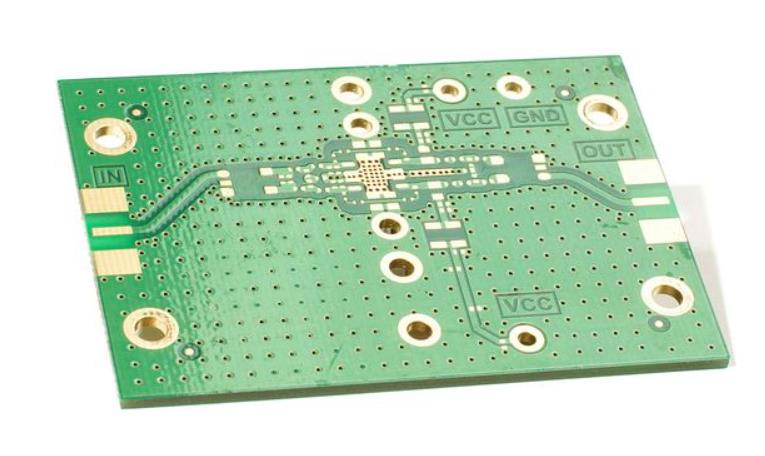
- PCB data review: Analyse Gerber files, layout, BOM, assembly drawing, test point information, and dimensions.
- DFM analysis: Assess test point availability, probe pitch, component clearance, support points, and risk of damage.
- Fixture structure design: Lay out probes, supports, locating mechanisms, guides, pneumatic controls, and wiring using CAD software.
- CNC precision machining: Machine the fixture body from FR4, acrylic, phenolic, engineering plastic, or aluminium.
- Pogo pin installation: Select and install pins based on current, contact force, surface finish, and required lifespan (up to 1 million cycles).
- Wiring and assembly: Connect signal lines, connectors, interface boards, pneumatic modules, and safety guards.
- Calibration and validation: Perform visual, continuity, pressure, repeatability, and live PCB tests to ensure production readiness.
5. Key Components of a Test Fixture
A complete fixture includes a base plate, top plate, probe plate, Pogo pins, locating pins, guide mechanisms, vacuum/pneumatic modules, wiring system, interface connector, and safety guards – each affecting accuracy and longevity.
6. Typical Industries Using PCB Test Fixtures
- Automotive: ECUs, ADAS, BMS, body control modules
- Medical: Patient monitors, ultrasound, imaging, diagnostic instruments
- Telecom: 5G base stations, optical modules, switches, terminals
- Industrial automation: PLCs, power supplies, motor drives, sensors
- Consumer electronics: Smart home, wearables, mobile phones, tablets, gaming devices
7. Best Practices in Test Fixture Design
- Provide adequate support points to prevent PCB flexing.
- Ensure precise probe‑to‑pad alignment for reliable contact.
- Choose appropriate clamping force to minimise mechanical stress.
- Use high‑quality, long‑life Pogo pins to reduce maintenance.
- Design cable routing and interfaces for easy service and upgrades.
- Reserve signal‑integrity test access for high‑frequency boards.
- Incorporate safety features for operator protection.
- Adopt modular construction to accommodate future PCB revisions.
8. IPC Standards for Test Fixture Manufacturing
Relevant standards include IPC‑A‑610 (acceptability), IPC‑2221 (generic design), IPC‑2222 (rigid PCB design), IPC‑7351 (SMT land patterns), IPC‑9252 (ICT guidelines), and IPC‑TM‑650 (test methods). Compliance ensures consistency, accuracy, and international acceptance.
9. DFM/DFT Recommendations for PCB Test Fixtures
To improve testability and reduce fixture cost, consider these design‑for‑test (DFT) guidelines early in PCB design:
- Provide sufficient test points for critical nets.
- Use uniform pad sizes for reliable probe contact.
- Maintain adequate spacing between test points to avoid probe interference.
- Avoid tall components that block test areas.
- Design stable support zones on the bottom side to reduce warpage.
- Include clear fiducial marks for accurate alignment.
- Ensure connectors, programming ports, and interfaces are accessible.
- Minimise board bending stress during testing.
Early collaboration between PCB designers and fixture engineers significantly reduces rework and shortens development cycles. For professional DFM/DFT support, visit our PCB design & layout service.
10. PCB Test Fixture Price Reference (2026)
Costs depend on PCB size, number of test points, probe count, automation level, complexity, and test requirements.
- Prototype fixture (R&D/samples): $300–800 per unit
- Low‑volume production fixture: $800–2,500 per unit
- High‑volume automated fixture: $2,500–8,000+ per unit
Additional costs may arise from software development, custom interfaces, spare probes, and maintenance kits. However, over time, custom fixtures lower labour costs, boost throughput, and reduce defect rates – a worthwhile investment for any electronics manufacturer.
11. Why Choose gopcb for Test Fixture Solutions?
As a professional PCB and PCBA one‑stop service provider, gopcb not only delivers high‑quality PCB fabrication and SMT assembly but also offers custom test fixture solutions tailored to your needs.
- Design and manufacture of ICT, FCT, vacuum, pneumatic, and manual fixtures
- High‑precision CNC machining and fixture assembly
- Expert Pogo pin selection, installation, and calibration
- Support for rigid, flex, rigid‑flex, HDI, and high‑layer boards
- DFM/DFT analysis to optimise manufacturability and testability
- Strict adherence to IPC standards for quality assurance
- Fast engineering response and global project support
Leveraging our extensive PCB manufacturing experience and test technology, gopcb helps you improve product reliability, shorten time‑to‑market, and achieve higher production efficiency. Explore our PCB manufacturing and SMT PCB assembly services, as well as our turnkey assembly solutions.
12. Frequently Asked Questions
Q1: What’s the difference between a PCB test fixture and an ICT fixture?
ICT fixture is a specific type of test fixture used for in‑circuit testing. Other types include FCT (functional), vacuum, pneumatic, and manual fixtures – each designed for different test requirements.
Q2: How long does it take to custom‑build a test fixture?
Typically 7–20 working days from data confirmation to delivery, depending on complexity, number of probes, and manufacturing processes.
Q3: What data do I need to provide for a custom fixture?
Usually Gerber files, CAD layout, BOM, assembly drawing, test point coordinates, and functional test specifications.
Q4: Can one fixture support multiple PCB versions?
If changes are minor, modular design or interchangeable inserts may allow compatibility. Major layout changes usually require a new or modified fixture.
Q5: How long do Pogo pins last?
High‑quality pins can last from 100,000 to over 1,000,000 cycles, depending on material, contact force, current, and environment. Regular maintenance and replacement ensure consistent performance.
13. Conclusion
PCB test fixtures are vital for modern electronics manufacturing. Custom‑designed and precision‑built fixtures enable fast, stable, and repeatable testing, improving first‑pass yield, lowering production costs, and ensuring product quality meets global standards.
Whether you need ICT, FCT, vacuum, pneumatic, or fully automated test solutions, partnering with an experienced provider is essential. gopcb combines advanced PCB manufacturing, expert fixture design, and a robust quality system to deliver one‑stop services – from DFM/DFT optimisation, PCB fabrication, and PCBA assembly to custom test fixtures – helping your products move to mass production faster and more reliably.
Get started with our prototype PCB assembly or high‑volume assembly services, and let us support your testing needs from design to delivery.