PCB Lamination Cost Guide: 2026 Process and Price Factors
What PCB Lamination Costs
PCB lamination is one of the most critical steps in multilayer board production, bonding cores, prepregs and copper foil into one stable board under heat, pressure and vacuum. Buyers, engineers and OEMs frequently ask what the lamination step costs in 2026, and the practical answer is that ordinary multilayer FR-4 boards carry a lamination cost of roughly USD 0.10 to USD 2.50 per board, while HDI, very high layer count, high-frequency, thick-copper and special-material boards can cost several dollars or more because their pressing cycles are far more demanding. Most factories never quote lamination separately; it is folded together with material, drilling, imaging, plating, solder mask, finish and test into the final board price.
What Happens During Lamination
A multilayer board is built from copper foil, inner layer circuits, cores and prepreg. During lamination the resin in the prepreg softens under temperature, flows to fill the spaces between etched traces and then cures, bonding the layers together while vacuum removes trapped air. The quality of this process directly decides layer-to-layer registration, finished thickness, dielectric thickness, impedance control, bond strength, warpage, via reliability, high-speed signal integrity and resistance to delamination. Lamination is therefore not a simple heat-and-press operation; it is a controlled process of material, temperature, pressure, vacuum level, heating rate and cure time.
2026 Lamination Cost References
As planning figures for the lamination step only, four-layer FR-4 boards run about USD 0.10-0.40 each, six-layer boards USD 0.20-0.60, eight-layer boards USD 0.30-0.90, ten-layer boards USD 0.40-1.20, twelve-layer boards USD 0.50-1.50, fourteen to sixteen-layer boards USD 0.70-2.00 and eighteen to twenty-four-layer boards USD 1.00-3.00 or more. HDI multilayer boards with sequential lamination run USD 0.80-4.00 or more, and high-frequency or special-material boards USD 1.00-5.00 or more. These are estimate ranges, not supplier quotes; size, material, quantity, layers, copper weight, structure, region and process detail move the real number, and small prototype batches always absorb a higher share of press setup cost.
Why Higher Layers Cost More to Press
More layers mean more cores, prepreg and copper, plus stricter alignment and resin-flow control during pressing. A four-layer board uses a standard single lamination cycle, while eight, ten or twelve-layer designs demand more material combinations, tighter layer offset budgets and more careful control of thickness and bow. High layer count boards also raise the risk of layer shift, resin starvation, thickness deviation, thermal expansion mismatch and warpage, so the factory needs more precise press programs and more inspection. That is why lamination cost climbs steadily from four to twenty-four layers even before special materials are considered.
HDI and Sequential Lamination
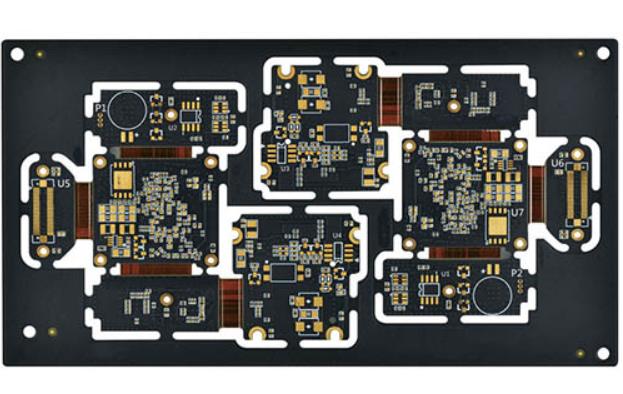
HDI boards are more expensive to laminate largely because many of them need sequential lamination. Build-up layers, laser microvias, multiple pressing cycles and precise interlayer registration multiply both press time and risk, and dielectric thickness control becomes much stricter to keep impedance and microvia reliability. A one-step standard press cannot build a three-stage HDI stack, so the board is laminated, drilled and plated in stages. Depending on the HDI order, microvia structure, build-up count, material and overall stack, HDI lamination cost can reach several dollars per board, which is a major reason HDI boards cost more than conventional multilayer boards.
Other Factors That Move the Price
Board thickness changes the core and prepreg combination, and ultra-thin or very thick boards often need special material and process control. Copper weight affects press response and thickness buildup, panel size changes material utilization, and order quantity determines how far fixed press setup cost spreads. Impedance control adds requirements on dielectric thickness consistency, and high-reliability or UL-certified material raises cost. Material choice dominates the list: high-Tg FR-4 costs more than standard FR-4, and low-loss high-frequency laminates cost more still, while their pressing windows may be narrower, demanding tighter process control.
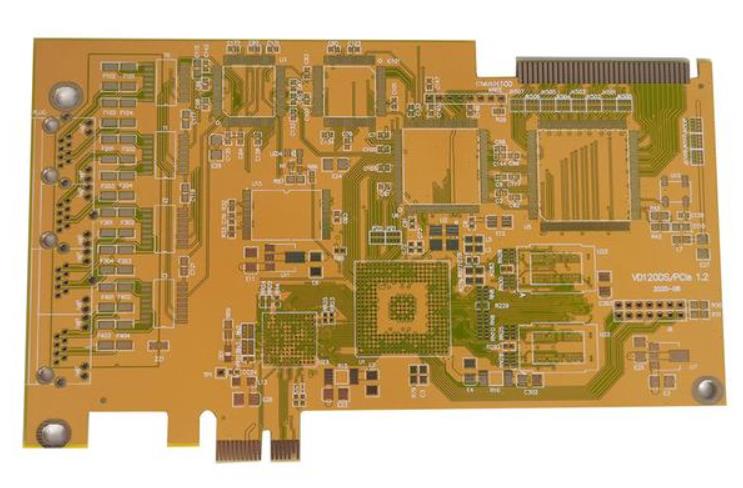
Lamination vs Full Board Cost
Lamination is only one link in the chain. A complete multilayer board also includes CAM engineering, material preparation, inner layer imaging and etching, AOI, lamination, CNC drilling, desmear, electroless copper, plating, outer layer imaging, solder mask, surface finish, silkscreen, electrical test, routing, final inspection and packaging. If lamination cost rises by one dollar, the final board price does not necessarily rise by one dollar, because the quote also reflects material utilization, panel layout, yield, process steps and order size. Compare total board quotes rather than isolating one process, and use lamination figures mainly to understand where cost concentrates.
Getting an Accurate Quote
For a precise lamination-inclusive PCB price, provide the board dimensions, layer count, quantity, finished thickness, inner and outer copper weight, material type, core and prepreg specifications, surface finish, minimum line and space, minimum hole size, via structure, impedance requirements, reliability needs, UL requirements and delivery target. Complete Gerber files, ODB++ data or a defined stack-up let the factory calculate material demand and manufacturing cost accurately; telling a supplier only that the board has eight layers guarantees a vague answer. Reviewing the stack-up and running a DFM check before production also catches unnecessary complexity that adds pressing cost without adding performance.
Controlling Lamination-Related Cost
Cost control starts in the stack-up. Keep the layer count at the minimum that satisfies electrical requirements, use standard FR-4 unless the application demands high-Tg or low-loss material, and confirm that every specified feature, impedance target and tolerance is actually needed. Symmetrical stacks with balanced copper reduce warpage risk and improve yield, which lowers the effective cost of every good board even when the raw lamination price looks the same. For high-layer-count designs, ask the factory whether the same electrical result can be achieved with a different core and prepreg combination that presses more easily, and check panelization so one press cycle produces the maximum number of boards.
Choosing a Multilayer PCB Supplier
Lamination quality only shows up as reliable registration, consistent thickness and clean impedance over many batches, so supplier selection should focus on process control rather than price alone. Look for a factory that performs stack-up engineering review before production, controls prepreg storage and resin flow, monitors press temperature, pressure and vacuum, and measures layer offset and thickness on real panels. A partner that links PCB manufacturing with PCB design and layout support can optimize the stack before tooling, while PCBA testing and assembly feedback confirm that the laminated board behaves correctly with real components and reflow profiles.
PCB Lamination FAQ
Q1: How much does PCB lamination cost per board? In 2026 ordinary multilayer FR-4 lamination runs about USD 0.10-2.50 per board depending on layers, size, material, quantity and process.
Q2: Is lamination included in the total PCB quote? Usually yes; most factories combine lamination with drilling, plating, imaging, mask and finish into one board price instead of charging it separately.
Q3: Is multilayer lamination expensive? For standard FR-4 boards lamination is rarely the largest single cost item, but high-layer-count, HDI and special-material boards raise it sharply.
Q4: Do more layers always raise lamination cost? Generally yes, because material use, alignment difficulty and process control all increase with layer count.
Q5: Why is HDI lamination more expensive? HDI often requires sequential lamination with microvias, build-up dielectric and multiple press cycles, which costs more than a conventional single press.
Conclusion
PCB lamination cost in 2026 ranges from about USD 0.10-2.50 per board for ordinary multilayer FR-4 up to several dollars for HDI, very high layer counts and special materials, and it is normally included in the total board price. Understand lamination as part of the whole manufacturing flow, control layer count and stack-up complexity, and submit complete stack-up data with the inquiry to get a quote that reflects reality.