Dispensing Nozzle Choices for Paste Jetting Solder paste jetting applies paste without a stencil, using a valve to fire small deposits onto the pads as the board moves underneath. It exists because some products cannot be printed: boards with severe height variation, assemblies where a stencil cannot be supported, small…

Flexible Circuit Dynamic Bend Design Rules A flexible circuit that is bent once during assembly is a different design problem from one that bends ten thousand times in service. Repeated bending accumulates fatigue damage in the conductors, and the design rules that allow a single form will fail quickly under…
Stencil Wipe Frequency and Under Stencil Cleaning The underside of a printing stencil collects paste with every board. If it is not removed, the paste builds up, blocks the apertures and transfers onto the next board in places where it does not belong. Wiping is the control, and how often…
Cleaning Nozzle Maintenance and Spray Quality Control Cleaning is usually judged by its result rather than by its equipment, until a batch fails an ionic contamination test and the cause turns out to be a partly blocked nozzle. Spray quality drifts slowly, so the failure appears weeks after the change…
High Mix Production and Paste Jetting Economics Printing paste through a stencil has been the default for surface mount assembly for decades, and it remains the fastest way to deposit alloy on a board that will be built in volume. Paste jetting changes the economics for a different kind of…
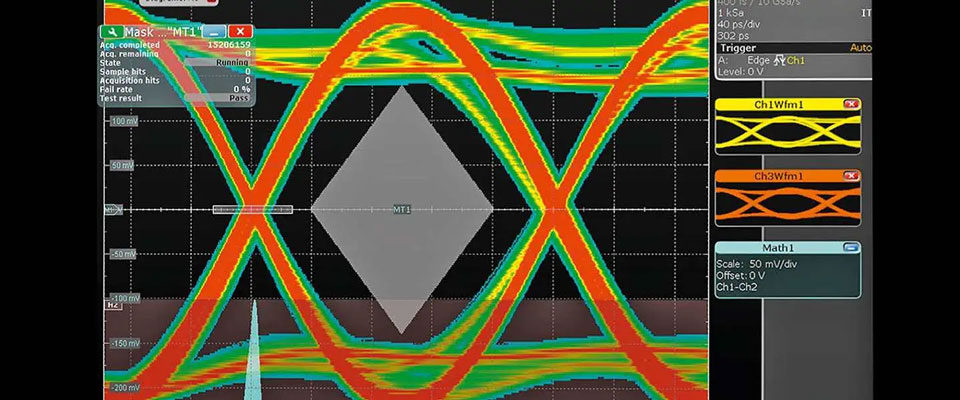
Backdrilling: Key Checks Before Release A plated through hole connects the layers it is meant to connect, and it also creates a length of barrel below the lowest connected layer that serves no purpose electrically. At low frequencies that stub is invisible. At multi gigabit rates it behaves as a…
Droplet Volume Control in Small Volume Production Printing solder paste through a stencil is efficient because one squeegee stroke deposits every pad on the board at once. That efficiency assumes the board will be built in a quantity that justifies a stencil, an aligned printer and the setup time that…
Non Solder Mask Defined vs Mask Defined Pads Two pads of identical copper area can produce joints with very different reliability, and the difference is whether the solder mask opening is larger than the copper or smaller than it. A non solder mask defined pad exposes the whole copper feature…
Rigid-Flex Transition Design Rules A rigid-flex board is two technologies joined at a boundary that has to survive being bent, laminated and soldered. The transition zone is where the layers change, where the stiffness changes and where most of the manufacturing and reliability problems occur. Designing it well means understanding…
Barcode Label Quality on PCB Assemblies and Panels A barcode label is the smallest and cheapest part of a PCB assembly, and the one most likely to break traceability. If the label cannot be read after reflow, or falls off in the cleaning line, the board loses its identity and…