Wire Bonding: Design Rules and Process Limits Wire bonding attaches a die to a board with fine wires that are welded by heat, pressure and ultrasonic energy. The weld only forms if the surface it is made to is clean, metallurgically correct and flat. A board that is perfectly good…
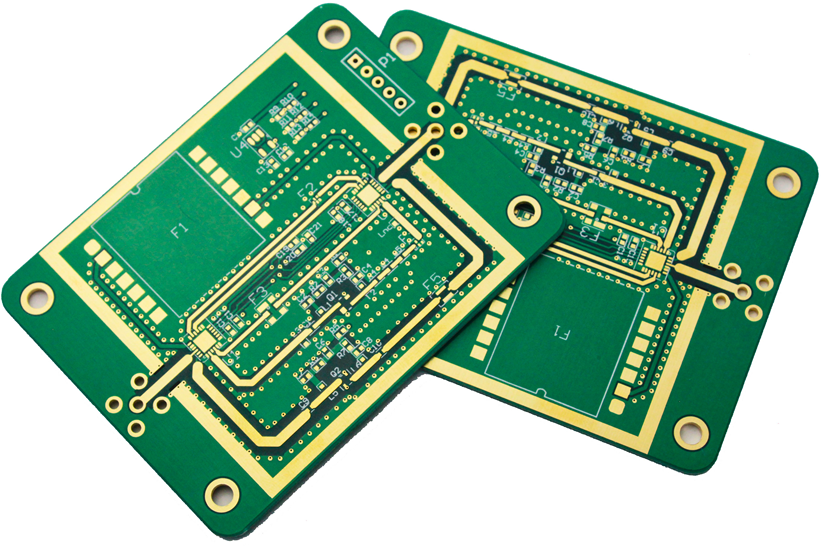
PCB Silkscreen Legibility and Print Tolerance Silkscreen is a printed legend, and the printing process has a resolution and a registration of its own. A legend that is drawn at the limit of what the screen can resolve is a legend that is partly missing on some panels, and the…
Solder Mask Defined vs Copper Defined Pads A pad can be defined by the mask or defined as copper with the mask pulled back from it, and the two choices behave differently at the joint. The difference is small on a large pad and decisive on a small one. What…
Solder Paste Deposit Area Ratio Limits An aperture releases paste when the friction between the paste and the wall is small compared with the force pulling the paste out. The two figures that describe this are the area ratio and the aspect ratio. What the Two Ratios Describe The area…
Placement Accuracy Verification for Fine Pitch SMT Assembly Placement accuracy decides whether a fine pitch device lands inside its pad window or drifts to the edge of it. Modern pick and place machines quote impressive numbers, but the value that matters is what the machine achieves on your board, with…
Solder Mask Adhesion Loss After Thermal Stress Exposure Solder mask adhesion problems rarely announce themselves at coating. They appear later, after a bake, a reflow pass or a repair, when a patch of mask lifts from the copper and takes a trace with it. The cause is usually a combination…
Copper Grain Refinement in Acid Copper Plating Baths Copper grain refinement is the quiet variable behind plating results that either pass every thermal stress test or crack at the first reflow. Grain size and orientation decide how a deposit behaves under bending, how it etches, and how it survives repeated…
Acceptance Criteria for Solder Joints in Harsh Environments Solder joints decide whether an electronic assembly survives its service life, yet two inspectors can look at the same fillet and reach different conclusions. Acceptance criteria exist to remove that ambiguity. They define the wetting, shape, voiding and dimensional limits a joint…
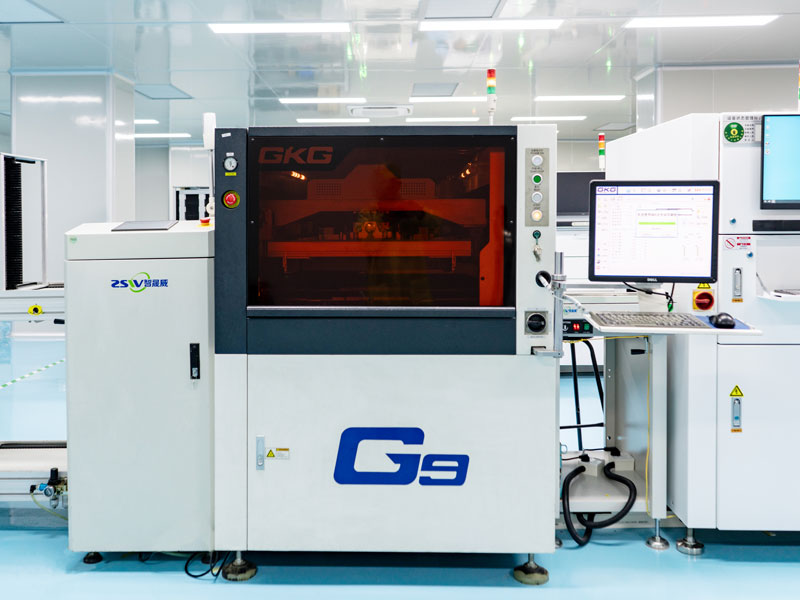
Aperture Area Ratio Rules That Improve Stencil Printing Stencil printing remains the highest-volume way to deposit solder paste, and the single number that decides whether a print succeeds is the aperture area ratio. It compares the open area of a stencil opening with the wall area that paste must slide…
Nozzle Selection for Odd Form Component Placement Guide Odd form components are the parts that do not come on tape in a standard package: connectors, shields, transformers, large capacitors, sockets and mechanical hardware. They are placed on the same machine as the chip components, and the tool that picks them…