Countersink And Counterbore In PCB Design A countersink is a conical recess machined into a hole so that a flat head screw sits flush with the surface. A counterbore is a cylindrical recess that lets a socket head screw or a nut sit below the surface. Both are mechanical features…

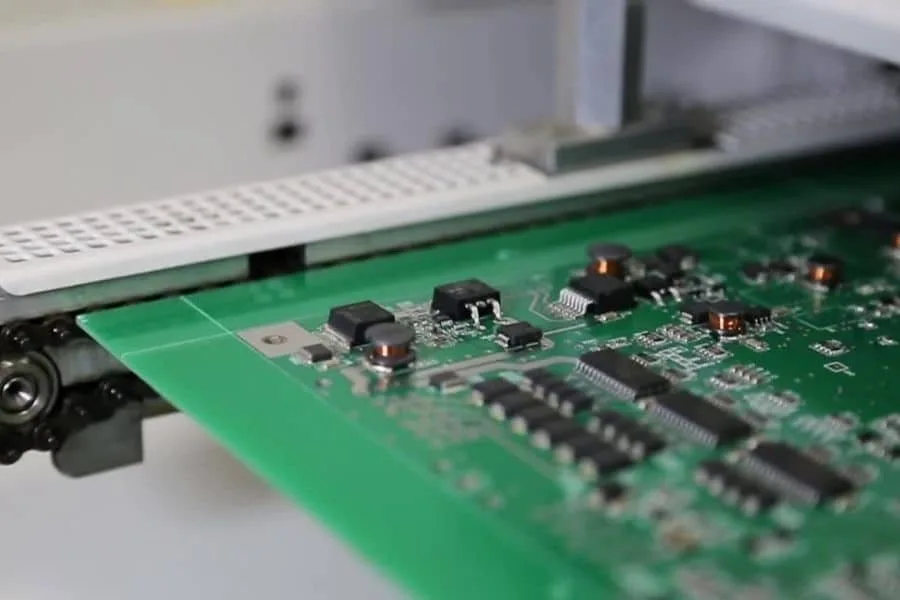
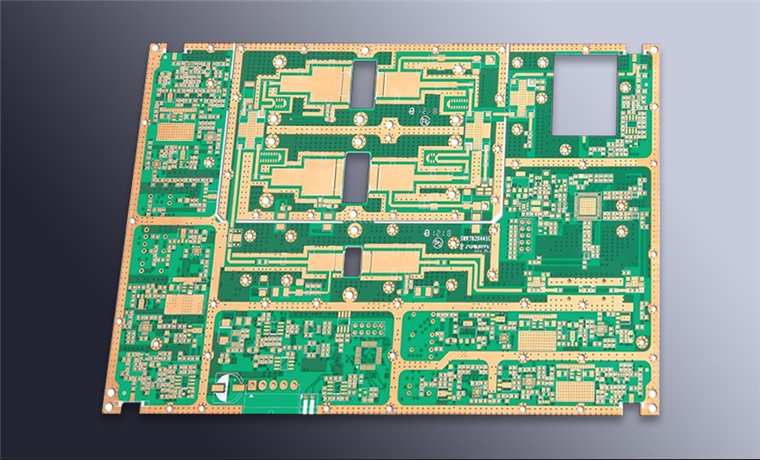
Panelization Spacing and Rail Width Rules for Assembly A panel is a carrier for a group of boards, and every dimension on it exists to serve the machines that will process it. The rail that the conveyor grips, the gap between the boards, the position of the fiducials and the…
5S Workplace Organization in a PCB Shop 5S is a workplace organization method with five steps, and in a board shop it produces three practical results rather than a tidy appearance. Setups get shorter because tools and materials are where they are needed, faults become visible because deviations are obvious,…
Energy Cost Management in PCB Manufacturing Energy cost in a board shop is a process cost that behaves like a utility bill, and the two facts together explain why it is usually managed badly. It is large enough to matter, it is spread across many pieces of equipment, and no…
Gold Finger: Design Rules and Process Limits The gold fingers on a plug in card are a row of plated contacts along the board edge, and the chamfer at the leading corner is the feature that guides the board into its socket. The chamfer and the contacts are close together,…
Stencil Area Ratio and Solder Paste Release Control The area ratio of a stencil aperture is the area of the opening divided by the area of its walls. It is a simple geometric number, and it predicts, with surprising accuracy, whether solder paste will release from the aperture or stay…
Backdrilling To Remove Via Stubs A plated through hole connects the layers it passes through, but it also continues past the last layer it serves and ends at the far side of the board. That unused length is the via stub, and at high frequency it behaves as an open…
Engineering Change Management in PCB Production An engineering change is a decision to make the product different, and change management is the work of making sure the difference reaches every place it needs to reach. In a board shop a change rarely stops at the drawing. It moves through the…
Mixed Model Production in PCB Manufacturing Mixed model production is the practice of running many different products through the same line in short succession, and a board shop is a natural example of it. Orders differ by layer count, material, finish, thickness and size, and they arrive in quantities that…
Tooling Pin Wear and Panel Location Accuracy on PCB Lines Tooling pins are the small features that decide where a panel sits. They locate the panel in the drill, in the exposure unit, in the press and in the assembly machine, and every layer that is stacked has to be…