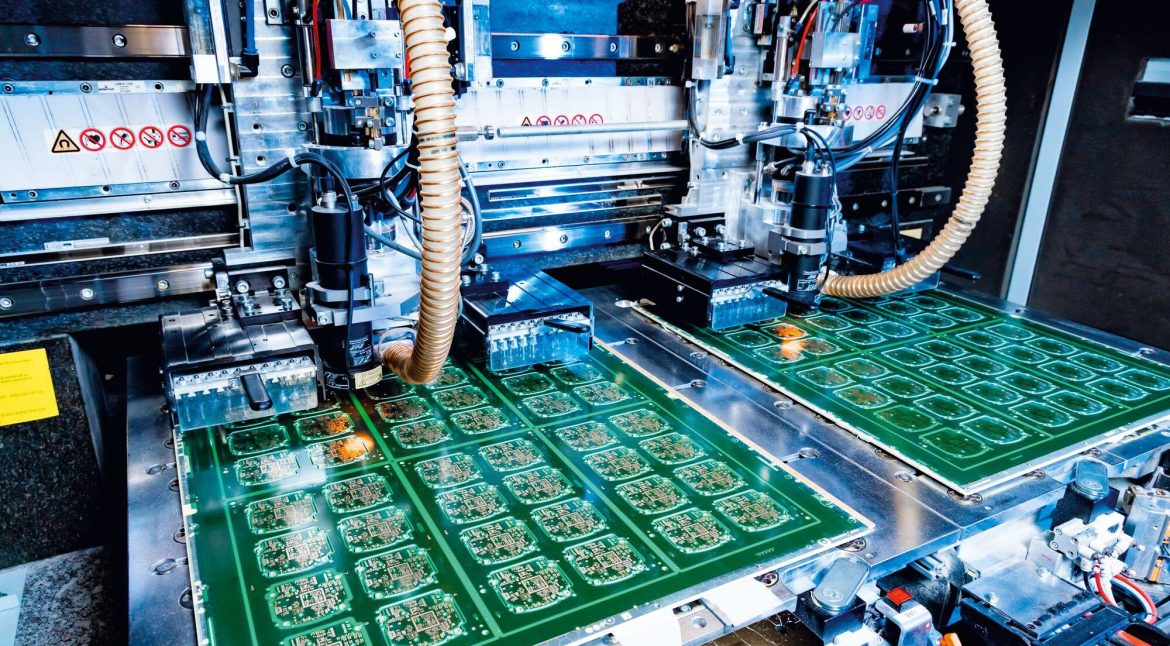
Panelisation For Small Boards: Rails, Fiducials, Spacing A board that is smaller than the assembly line can handle has to be built as part of a larger panel. The panel is what the machine grips, the conveyor carries and the stencil prints through, and the small board is separated from…
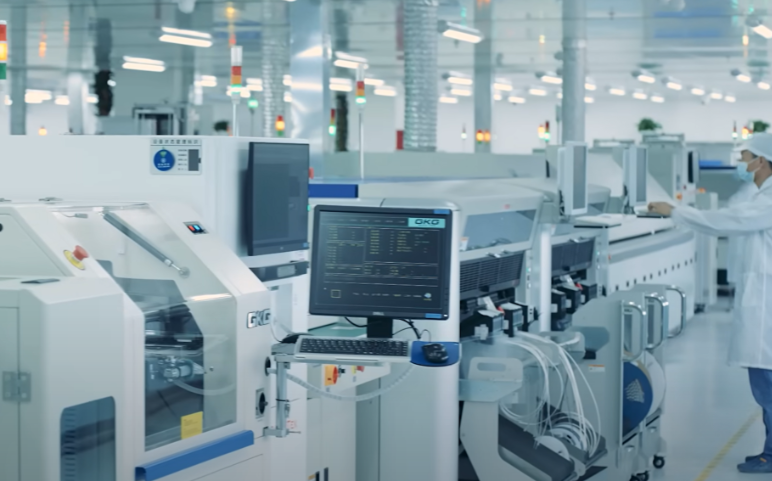
Line Changeover and Setup Verification Most assembly defects are introduced during changeover, when the line is reconfigured for a different product and the checks that ran during production are paused. The changeover is therefore the moment that deserves the most discipline and usually receives the least. What a Changeover Involves…
Common Mode Choke Selection For SMT Boards A common mode choke is a small component with a specific job: to pass the signal that the circuit intends to send and to block the noise that travels on both conductors at once. It does that with two windings on a shared…
Solder Paste Jetting: Design Rules and Process Limits Printing paste through a stencil is a batch process: one tool, one setting, and the whole board printed at once. Jetting deposits paste through a valve that moves over the board, one deposit at a time, and it changes which problems are…
Supercapacitor Backup Power Design Guide A supercapacitor sits between a battery and a conventional capacitor in the way it stores energy. It holds far more charge than an electrolytic of the same size, delivers it far faster than a battery, and tolerates hundreds of thousands of cycles. Those properties make…
Conductive Adhesive Instead Of Reflow: When It Works Most of the board is assembled in a reflow oven, and the oven is efficient, well understood and cheap to run. Some assemblies, however, contain parts that cannot go through it. A camera module with a plastic lens barrel, a focus coil…
Etch Compensation: Holding Line Width Through the Etcher Etch compensation is the correction applied to artwork so that the conductor that comes out of the etcher matches the width the designer asked for. The etchant removes copper sideways as well as downwards, so a trace drawn at a nominal width…
Tin Whiskers in Lead Free Assemblies: Risk and Growth Tin whiskers are thin conductive filaments that grow out of a tin or tin alloy surface over months and years, and they are capable of bridging a gap that was designed to be a permanent open circuit. The problem was understood…
Shielding Methods for High-Speed PCB Design Signal integrity is not the only property that degrades as edge rates rise. The same fast edges that make a high-speed link work also make the traces more sensitive to the fields around them, so a design that ignores interference can pass bench tests…
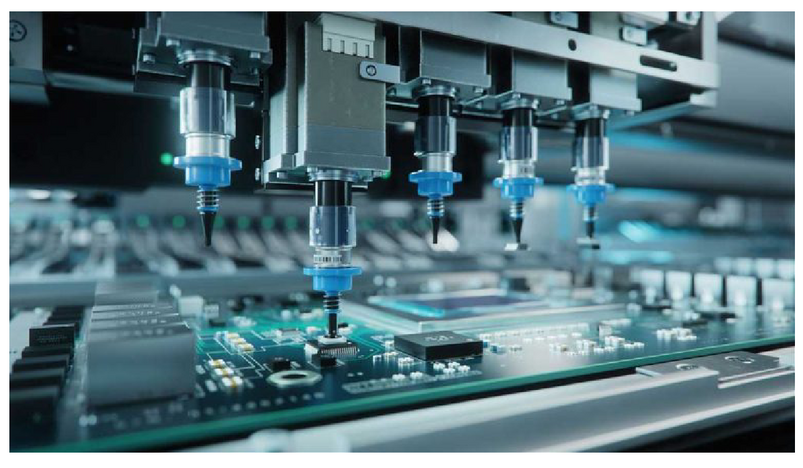
SMT Placement Machine Faults and How to Trace Them When a placement machine begins placing parts off centre, rotating them or dropping them altogether, the first instinct is to edit the program. Most of these faults originate in the machine, the board support or the feeder, and a disciplined sequence…