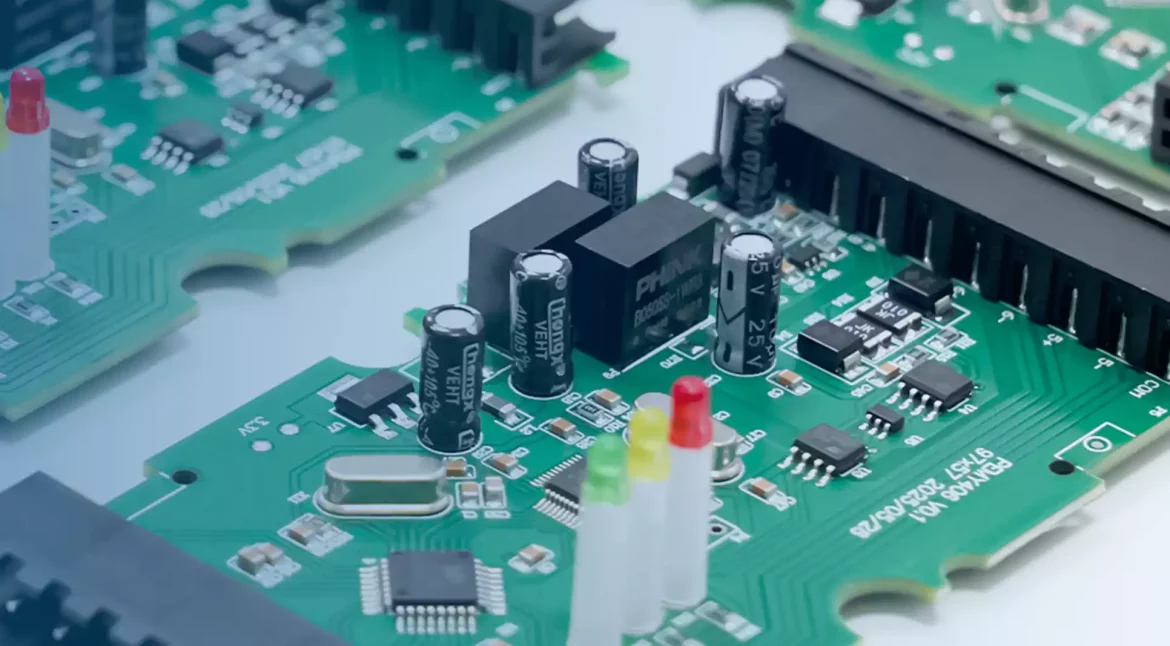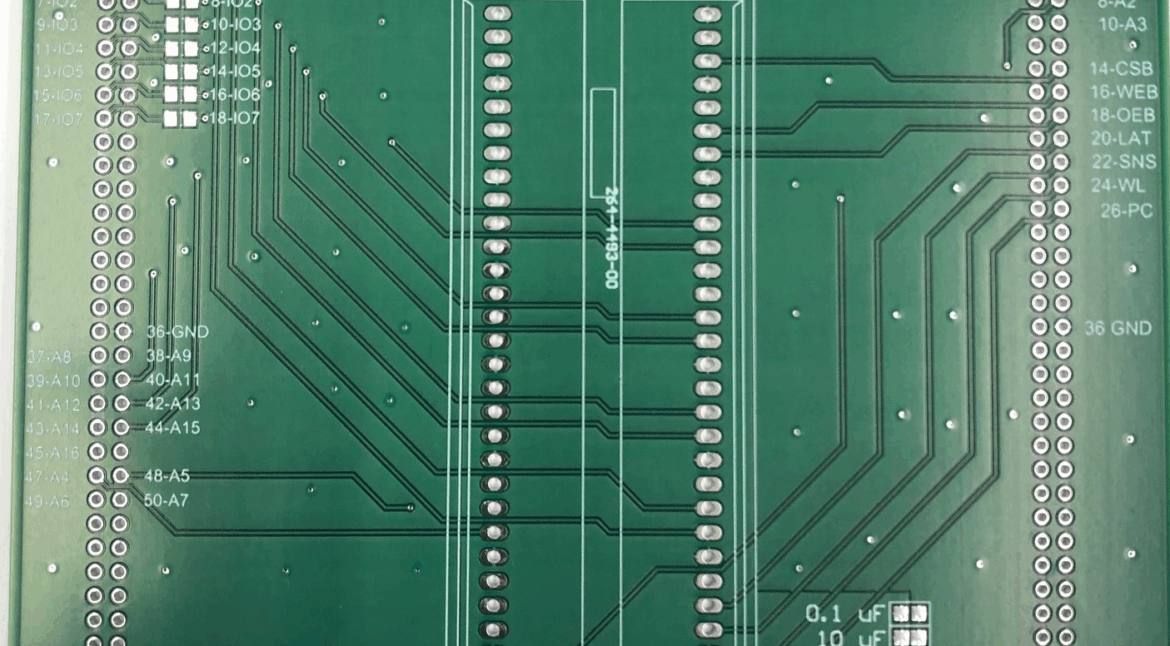
Switching Regulator PCB Layout: Loops, Grounding and Checks A switching regulator is a small circuit with a large appetite for current, and the layout decides whether that current stays where it was planned or sprays across the board. The electrical design can be textbook correct and the prototype still fail,…
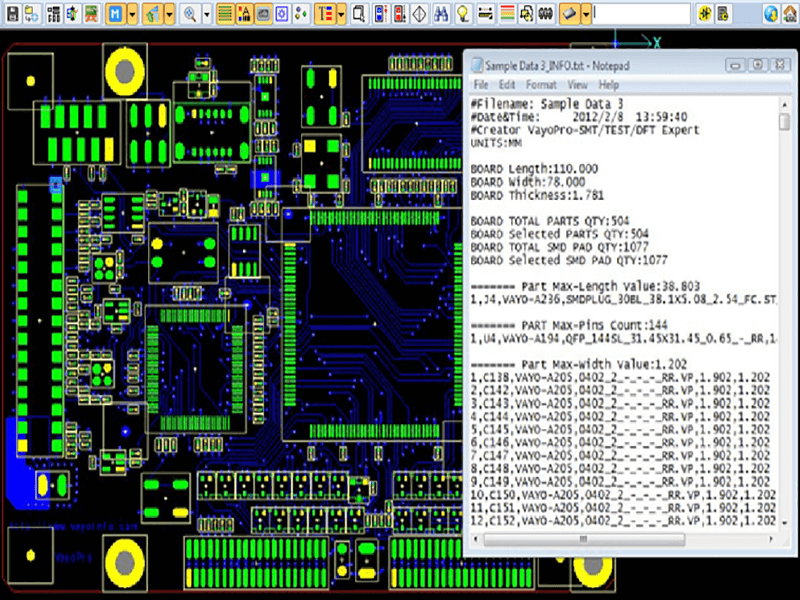
FPC ENIG Surface Finish: Electroless Nickel Immersion Gold in SMT Soldering Flexible circuits rarely fail because the copper itself gives up. They fail at the interface, where a thin stack of nickel and gold has to survive reflow, repeated bending and years of thermal cycling. FPC ENIG, the finish most…
Multilayer PCB Manufacturing Challenges: Registration, Lamination and Drilling A ten layer board is not simply a four layer board with more copper. Every layer added multiplies the number of interfaces that can move relative to one another, and it lengthens the process chain that each panel must survive. Multilayer PCB…
Electroless Copper vs Electroplated Copper in PCB Fabrication Two very different copper processes share a similar name in most discussions of board fabrication, and confusing them leads to wrong expectations about thickness and reliability. Electroless copper deposits a very thin conductive layer by chemical reduction, and electroplated copper builds the…
ESD Protection in PCB Layout: Techniques That Work Electrostatic discharge is one of the few design problems that never announces itself. A board that fails an ESD test is easy to deal with; a board that passes every bench measurement and then resets once a week in the field is…
Press-Fit Holes in PCBs: Tolerances, Pin Types and Reliability A press-fit joint makes an electrical connection by forcing a compliant pin into a plated hole, without solder. The pin deforms elastically as it enters, the hole is slightly smaller than the pin, and the resulting contact pressure holds the two…
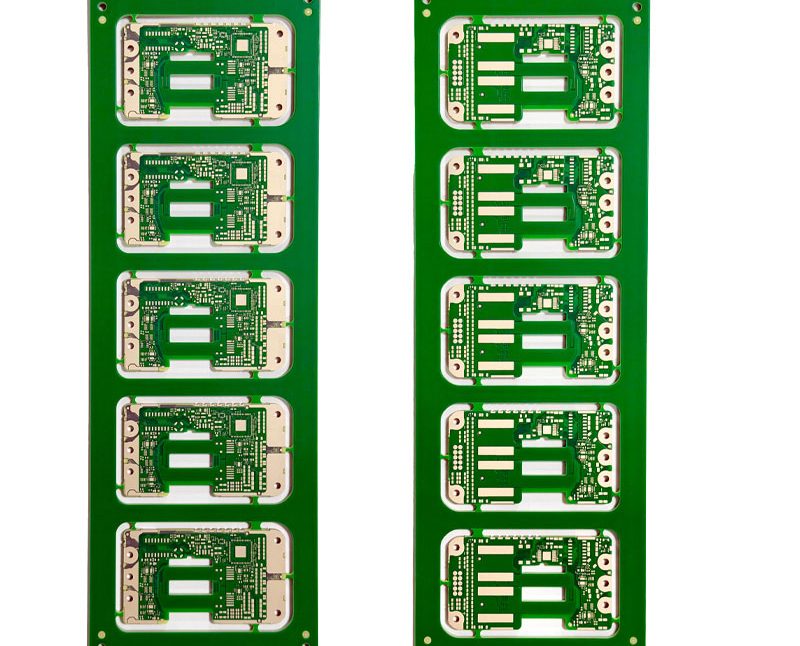
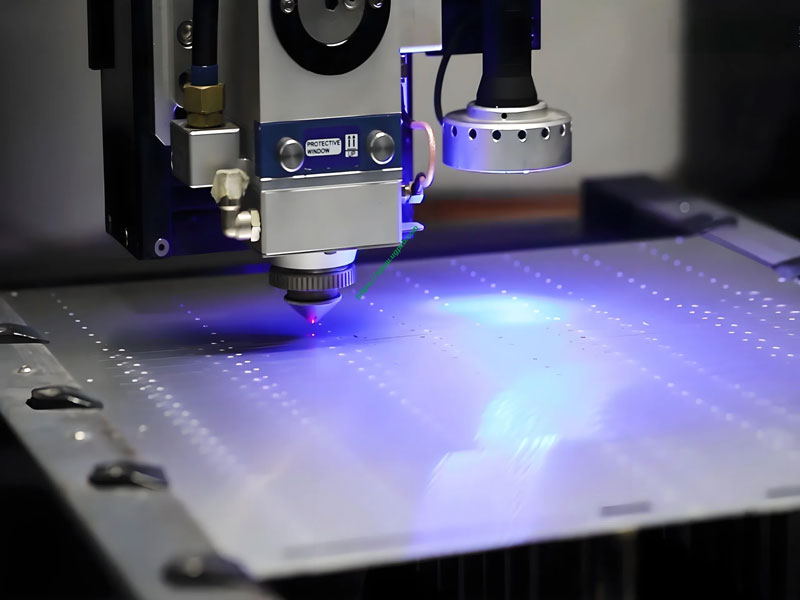
PCB Routing Precision: Outline Tolerance and Edge Quality Routing is the operation that gives a printed circuit board its final shape. A CNC cutter follows the outline, cuts slots and windows and separates the individual circuits from the production panel, and the accuracy of that operation decides whether the board…
Aluminum PCB or FR4: Choosing by Heat and Cost A metal backed board and a conventional FR4 board are often compared as if one were simply a better version of the other. They are not: they solve different problems, and the aluminium choice is justified by heat or by mechanical…
PCB Blind Routing: Step Milling and Cavity Design Most boards have a single thickness and a flat outline, and the milling that defines the shape goes all the way through. Blind routing changes that by removing material to a controlled depth, leaving a ledge, a recess or a cavity in…
SMT Stencil Design: Thickness, Apertures and Paste Volume Before a single component is placed, the outcome of a surface mount assembly has largely been decided by a thin sheet of stainless steel. The SMT stencil controls how much solder paste lands on each pad, and the paste volume, together with…