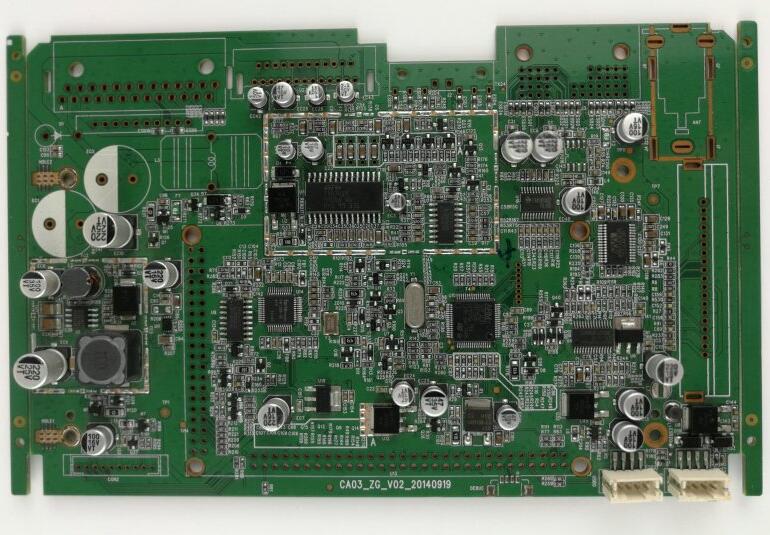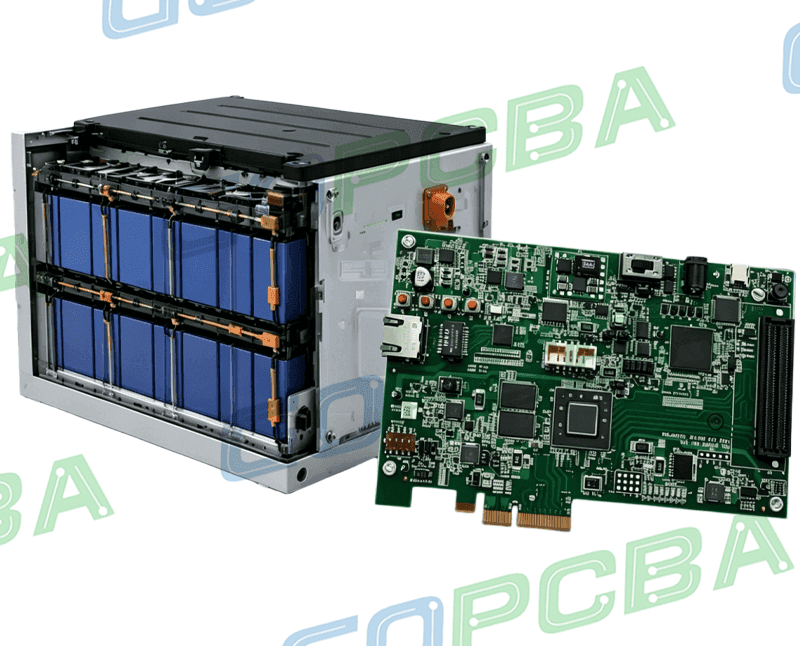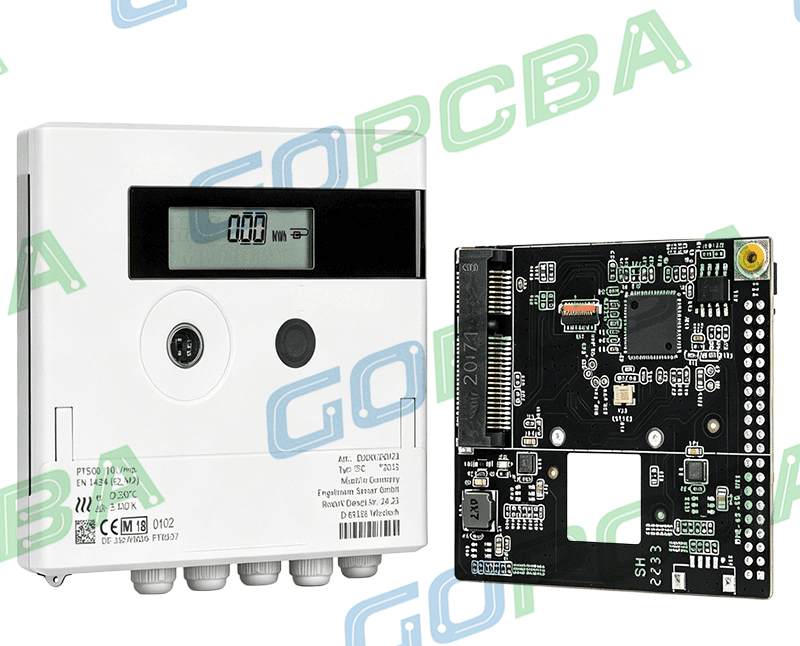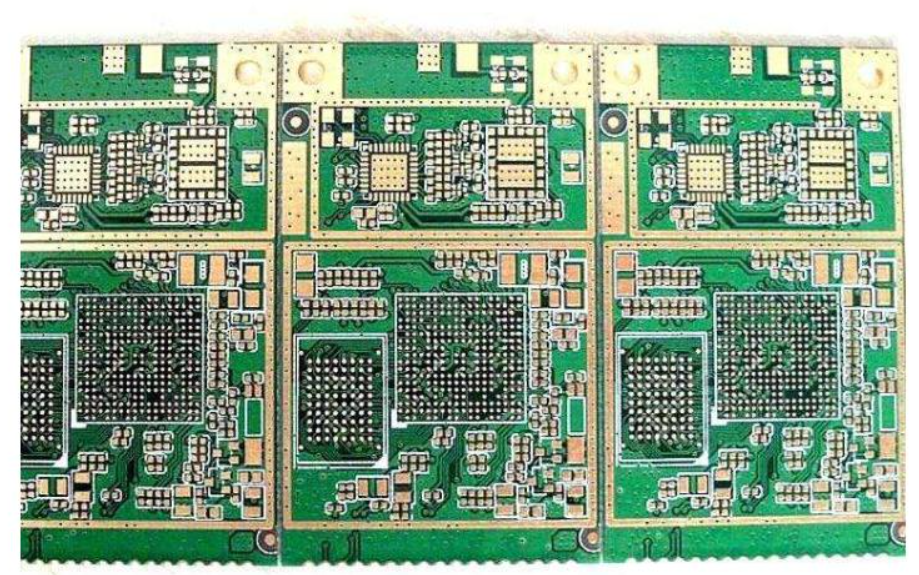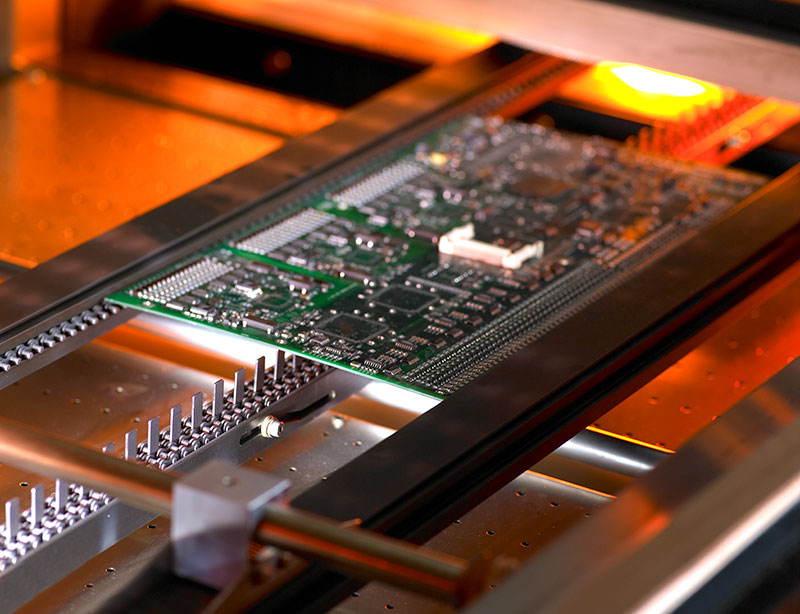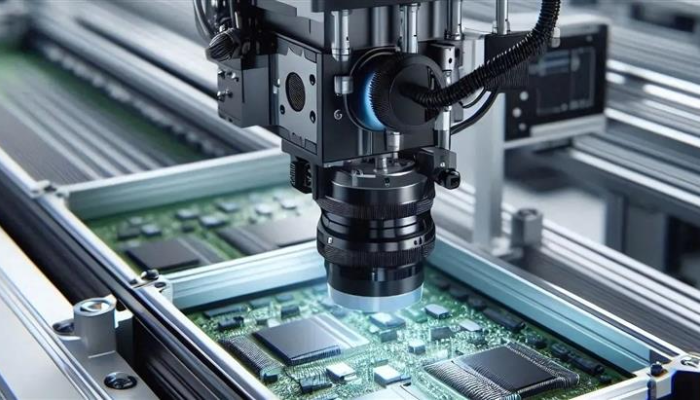
Flight Controller PCB: Sensors, Vibration and Power Filtering A flight controller PCB is the board at the centre of a drone or an unmanned aircraft, and it has an unusual set of requirements. It has to read a set of inertial sensors accurately enough to estimate the vehicle attitude, run…
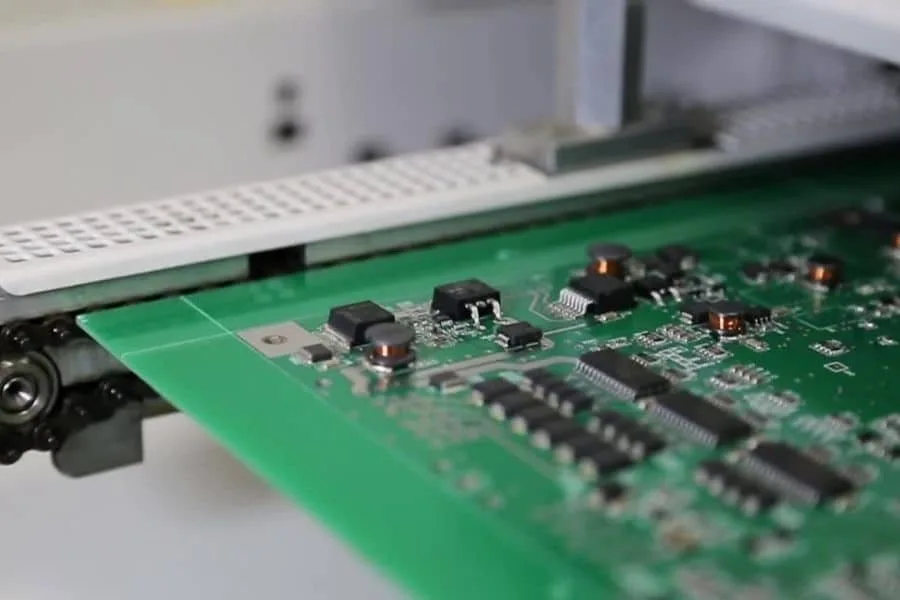
Security System PCB: Basic Knowledge Explained A security system is defined by the fact that it must work when everything else has failed. The power may be out, the network may be down, a cable may have been cut deliberately, and the system still has to detect, record and report.…
Radar System PCB: A Beginner Guide to Design Radar is one of the few applications where the printed circuit board is part of the radio itself. At the frequencies involved, the wavelength is comparable to the dimensions of the board, the traces behave as transmission lines with measurable loss, and…
Server PCB: Architecture, Materials and Manufacturing Requirements A server PCB is a large, high-layer-count board that must deliver enormous current to a processor and move data at rates that leave very little margin in the channel. It is fabricated in small volumes compared with consumer products, and the tolerance for…
Microwave PCB Materials and Fabrication: A Practical Overview A microwave PCB is defined by controlled electrical properties rather than by a frequency label. At microwave frequencies, the laminate’s dielectric constant, the loss tangent and the roughness of the copper all contribute to insertion loss, and the geometry of every transition…
Surface Finish Comparison: ENEPIG, OSP, Immersion Tin and HASL Surface finish selection is one of the few decisions that affects fabrication, assembly and field reliability at the same time. There are six common options, and each is the right answer for a specific combination of pitch, storage period, assembly method…
HDI PCB Prototyping: Microvia Stackup and Design Rules HDI PCB prototyping is the stage where a dense design is proven on real laminate before tooling and volume commitments are made. A prototype run has to answer three questions at once: can the microvia stack be drilled and filled reliably, does…
Halogen-Free PCB vs FR-4: Material and Thermal Differences Halogen-free PCB and FR-4 PCB are usually presented as alternatives, but the comparison is misleading. FR-4 describes a material system, a woven glass fabric bonded with an epoxy resin, while halogen-free describes the chemistry used to make that resin resist burning. A…
ENIG PCB: Immersion Gold Thickness and Black Pad Control An ENIG PCB uses electroless nickel followed by immersion gold to protect copper pads. The nickel layer does the real work: it is a hard, solderable barrier that stops copper from diffusing into the joint, while the gold layer is only…
Copper Inlay PCB: Embedded Copper for High-Power Thermal Management Copper inlay PCB technology places a solid copper block inside a cavity machined into the laminate, so heat from a power device travels into metal rather than through resin. Copper conducts at roughly 400 W/m·K while a typical FR-4 dielectric manages…