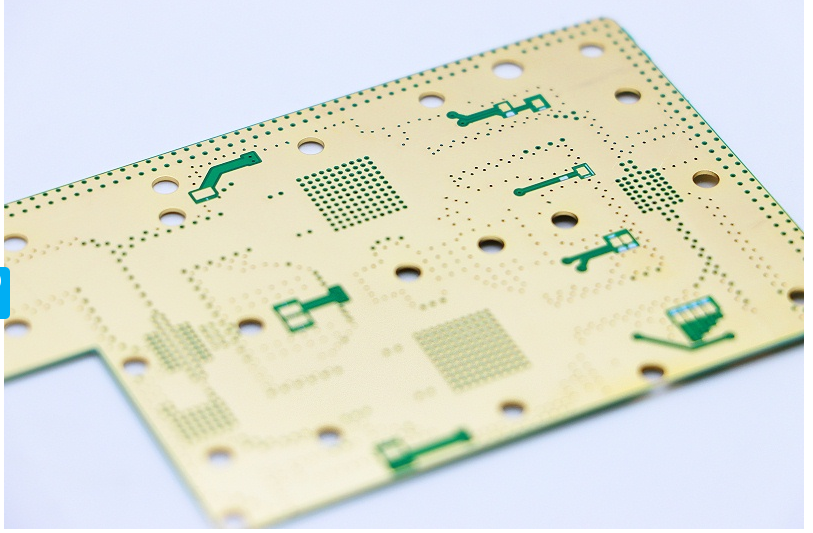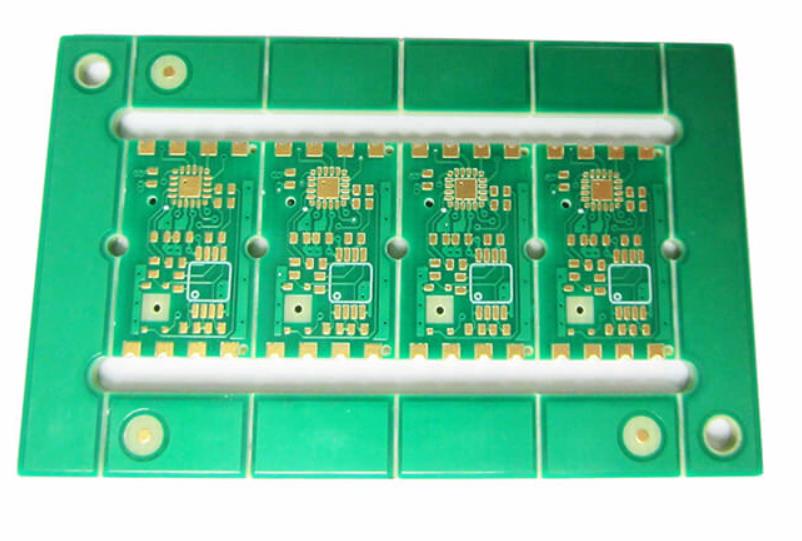
Advanced HDI PCB Manufacturing: Stackups, Microvias and Yield Advanced HDI PCB manufacturing takes the density of a standard high density interconnect board one step further. Instead of one buildup layer on each side of a core, an advanced build stacks several laser drilled layers, uses via-in-pad structures under fine pitch…

Robot PCB Assembly: Vibration, Thermal and Inspection Requirements Robot PCB assembly is judged by whether the board still works after a year of movement. A joint that passes electrical test on the bench can crack when a servo reverses a hundred times a minute, and a driver stage that runs…
Special Process PCB Selection: Heavy Copper, HDI and Rigid-Flex Special process PCB work means going beyond the standard plated through hole multilayer build: heavier copper, laser drilled microvias, rigid-flex construction, metal core substrates, tight impedance control or cavity structures. Each of those processes adds cost and lead time, and each…
Redundant Layers in PCB Stackups: When an Extra Layer Pays Off A redundant layer is a copper layer that carries no dedicated circuit function in the first revision of a design. It is not a mistake and it is not waste. It is a deliberate allowance for routing growth, for…
Breadboard PCB: Soldered Prototyping Boards Compared A breadboard PCB sits between the solderless breadboard that engineers use for a first experiment and the fabricated board that goes into a product. It is a copper board laid out to mimic the connection pattern of a breadboard, so a circuit that was…
Agriculture PCB Design for Smart Farming Systems Electronics in agriculture has to work where the environment is at its least cooperative. Sensors sit in soil and in weather, power comes from a battery charged by a small solar panel, connectivity is intermittent, and the equipment is expected to keep working…
Tin Plating on PCB: Flatness, Storage Life and Whiskers Tin plating is one of the flat surface finishes, and it is chosen for the same reason as immersion silver or organic preservative: it produces a coplanar surface that fine-pitch assembly requires, at a cost between the cheapest organic finish and…
Defense Systems PCB Manufacturing: Prototype to Production A defense systems PCB shares the reliability expectations of aerospace with a set of constraints that are entirely its own: long service life, small production quantities, strict supply chain control and documentation that may be reviewed years after the hardware was built. What…
TG130 PCB: Where a 130 Degree Laminate Still Works The TG130 PCB laminate is the entry point of the high temperature range. It is a standard epoxy glass material with a glass transition temperature of about 130 degrees Celsius, and it remains in wide use because most boards never need…
Smart Sensor Circuit Board: Structure and Key Technology A smart sensor is a device that measures something, processes the measurement and reports a result that has already been interpreted. It differs from an ordinary sensor in that the conversion, the compensation and often the decision logic all sit inside the…