Repairing Water Damaged Circuit Boards A board that has been wet is not necessarily a board that is dead, and the difference between a recoverable assembly and a scrapped one usually comes down to what happens in the first hour. Water alone is rarely the damage. The damage comes from…
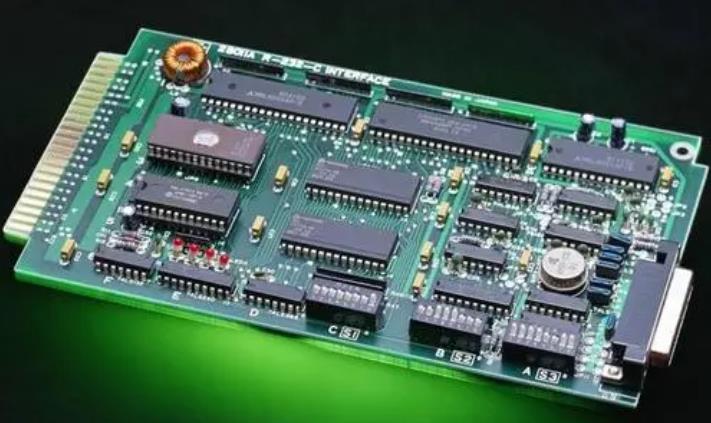
Rapid PCB Prototyping and When It Is Worth It Rapid prototyping is sold as a service, and it is worth understanding what is being sold. Nothing about the physics changes: the press cycle is still hours long and the plating still takes the time it takes. What changes is where…
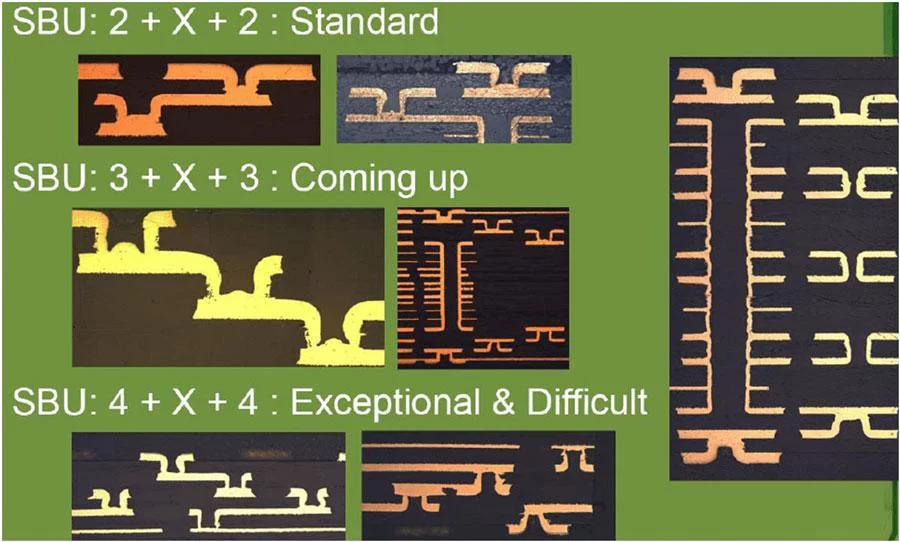
PCB Layer Structure and What Each Layer Does A layer in a circuit board layout is not the same thing as a layer in the physical board. The design file carries many layers, some of which become copper, some of which become coatings and some of which exist only to…
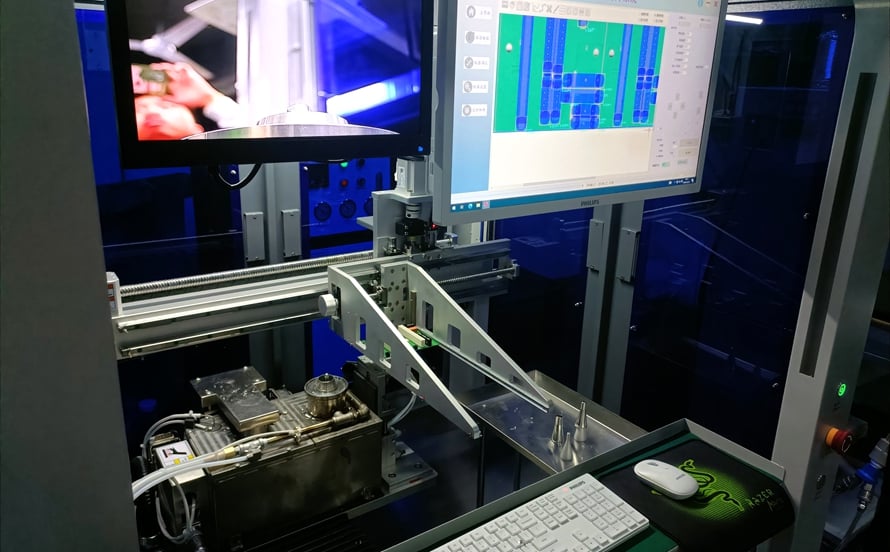
Multilayer PCB Inspection: Methods and Trade-offs Multilayer PCB inspection is what separates a multilayer board that works from one that fails after installation. As soon as a design uses three or more conductive layers with insulating material between them, the defects that matter most are the ones nobody can see,…
PCB Surface Finish Types and How to Choose Bare copper will not survive the interval between fabrication and assembly without help. It oxidises, its solderability falls, and the oxide that forms has to be removed before a joint can be made. The pcb surface finish is the layer that solves…
Rapid PCB Prototyping From Design to Finished Board Rapid pcb prototyping is less a manufacturing service than a development method. The board itself is not what makes a prototype fast; what makes it fast is the loop of design, build, test and revise being short enough that a designer can…
Rigid-Flex PCB Construction and Bend Radius Rules A rigid-flex PCB replaces a stack of cables, connectors and separate boards with one continuous structure that folds into the enclosure. The rigid sections carry the components and the fine-pitch routing, while the flexible sections carry the connections and bend to reach around…
Conformal Coating Materials: Choosing the Right One The coating on an electronic board decides how long the product survives, and it is usually chosen last. That order is backwards. Conformal coating materials differ in flexibility, chemical resistance, temperature range, cure behaviour, and cost, and the wrong choice shows up years…
Rigid PCB Structure and How It Works A rigid PCB is the default in almost every product, and its defining property is one that is easy to overlook: it holds its shape. That stiffness is what allows components to be placed by machine, what prevents solder joints from cracking in…
Flexible PCB Construction and Process A flexible circuit is a different product from a rigid board with a thin base. Its materials, its fabrication steps and its design rules all differ, and the reason for using one is usually that the product must fold, must fit a curved space or…