Tapping Test and Drop Test in Electronics Production Between final assembly and electrical test, a manufacturing line usually has one or two mechanical screening stations that look crude compared with the rest of the process. A product is tapped with a rubber ball on a stick, or dropped onto a…
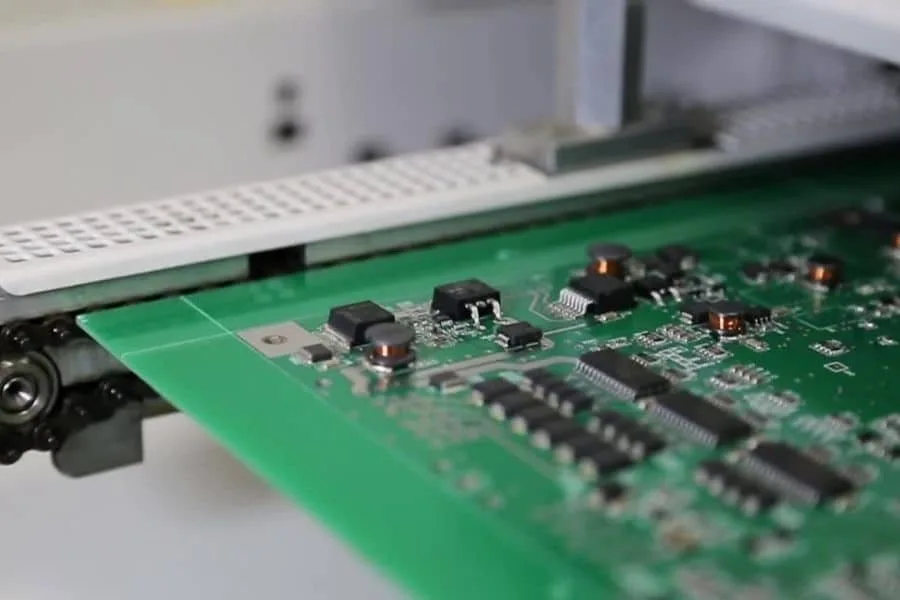
Interference Suppression in Digital Circuit and Microcontroller PCB Design Interference problems are much cheaper to prevent than to cure. A board that is laid out without considering them will usually still work, and then fail intermittently in the field, which is the most expensive kind of failure to diagnose. The…
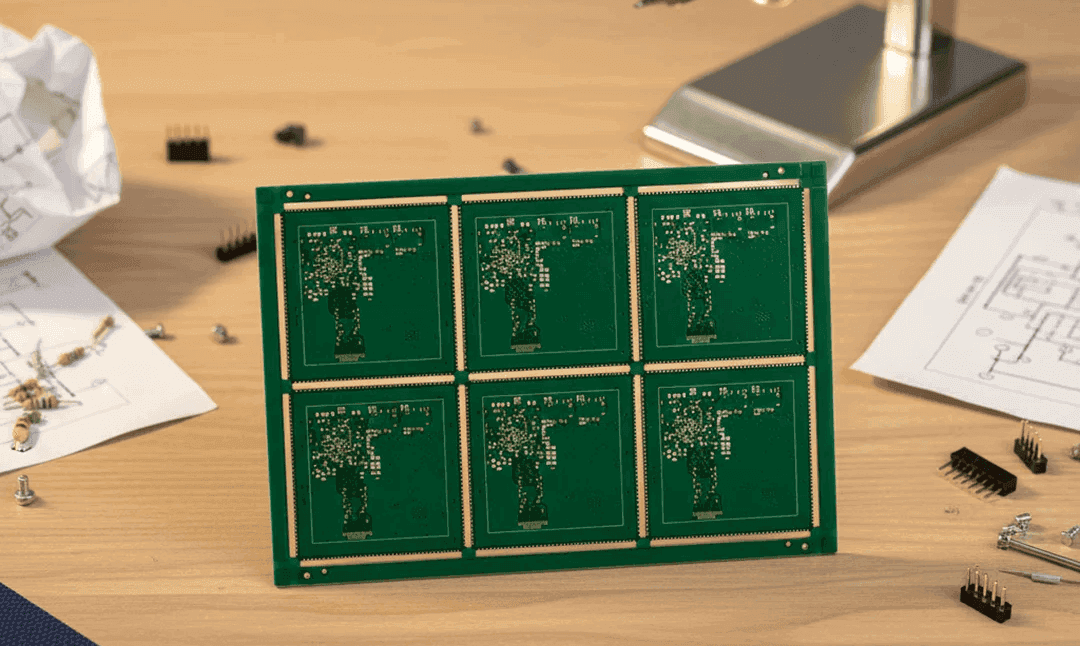
Multilayer PCB Prototyping: Inner Layer, Lamination and Drilling A prototype build is where a design stops being a schematic and becomes an object that can be measured. The purpose of the first panels is to prove the stackup, the registration and the finish, not only the netlist, and that makes…
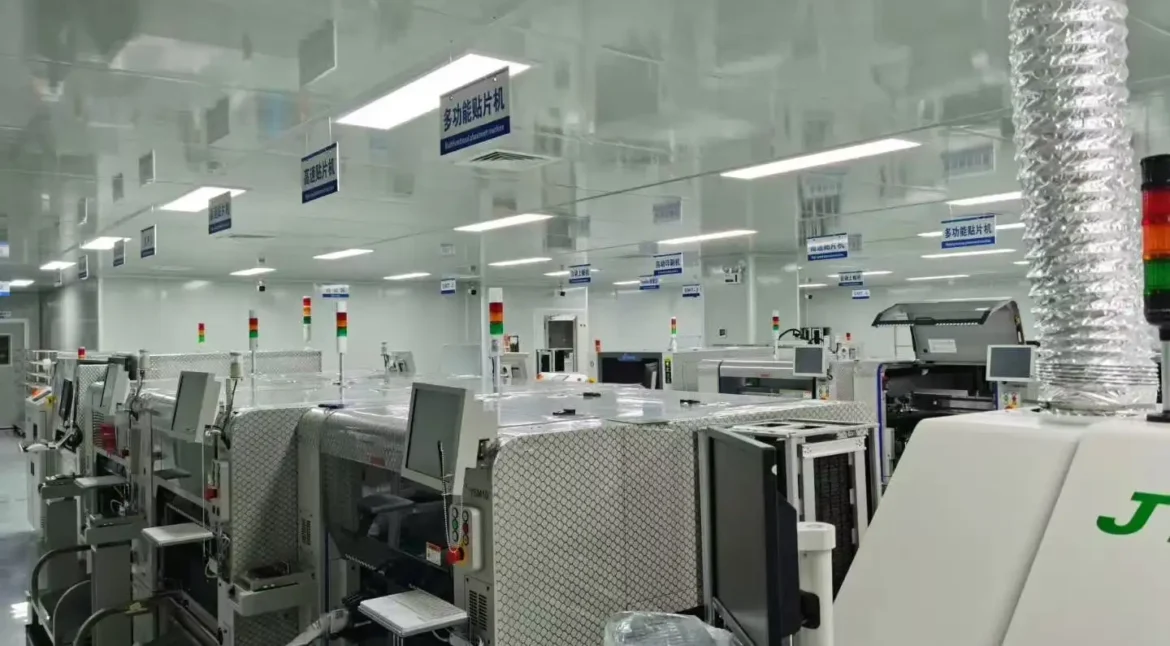
Micro Assembly Technology for Small Batch SMT Micro assembly is the practice of placing bare die and very small components onto a high-density interconnect substrate and sealing the result into a single package. It is the technology behind multi-chip modules, sensor packages and the compact radio and power modules that…
PCB Electrical Test: Coverage and the Cost of Missing It Every board that leaves a fabricator is tested for continuity and isolation, and the test is treated as a formality by most designers. It is not. The cost of a defect depends enormously on where it is found, and the…
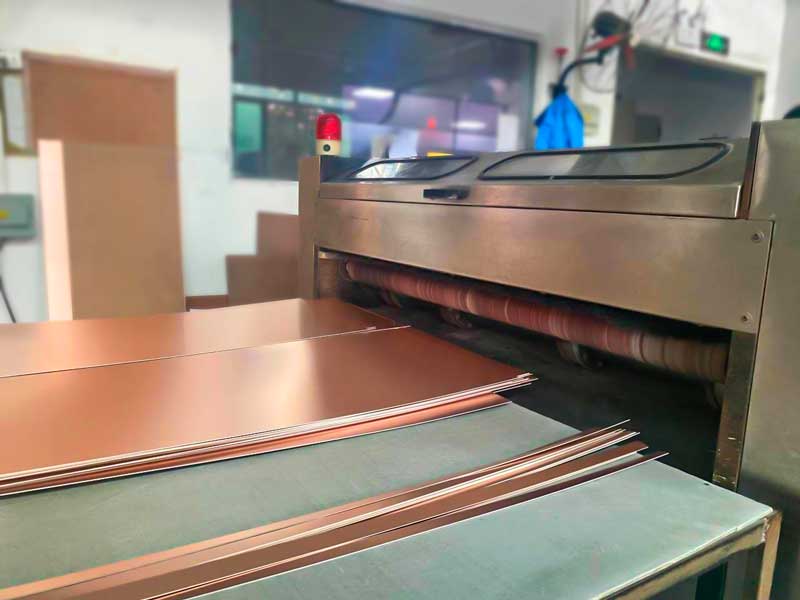
Eight Layer Board Fabrication: Process Step by Step An eight layer board is built from the same materials as a two-sided board and passes through many of the same operations, but the sequence is longer and the tolerances are tighter. The additional steps are what allow the layer count, and…
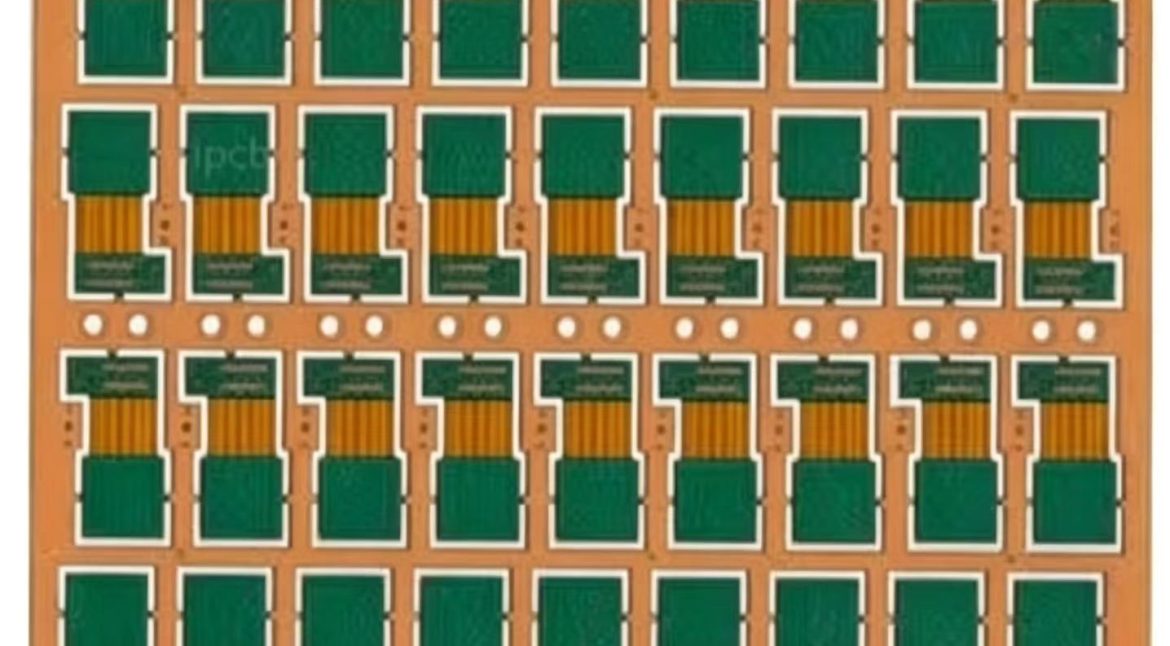
Flexible PCB Design and Layout Cost Drivers Flexible circuits are chosen for reasons that rigid boards cannot satisfy: they bend, they fold into three dimensions, and they save the weight and volume of a connector and a cable. Those advantages come with a cost structure that behaves differently from a…
Even Layer Count in PCB Stackups: Why Boards Avoid Odd Layers Ask a fabricator why almost every multilayer board has an even number of layers and the honest answer is that odd ones are possible but rarely worth the trouble. The even layer count is not a rule of physics;…
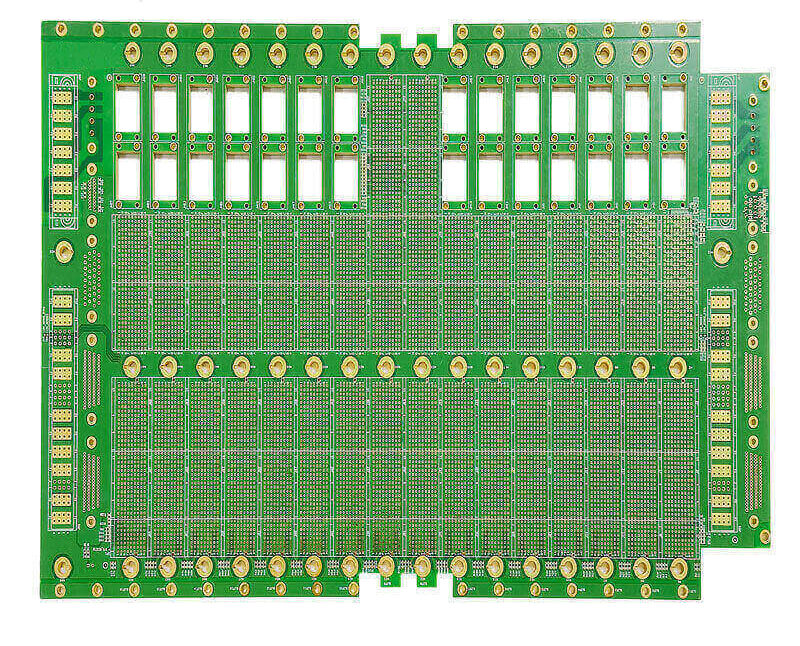
High-Frequency Microwave PCB Manufacturing: Materials and Tolerances Boards that carry radar front ends, satellite links or millimetre-wave radios are built on a different set of materials and a different set of tolerances from ordinary digital boards. A high-frequency microwave PCB is not simply a fine-line board with a faster clock;…
Flexible Circuit Design for Dome Switch Keypads A dome switch is a simple device: a formed metal dome that collapses onto a contact when pressed, giving both an electrical connection and a tactile response. Mounting a row of them on a flexible circuit is equally common, because the flex can…