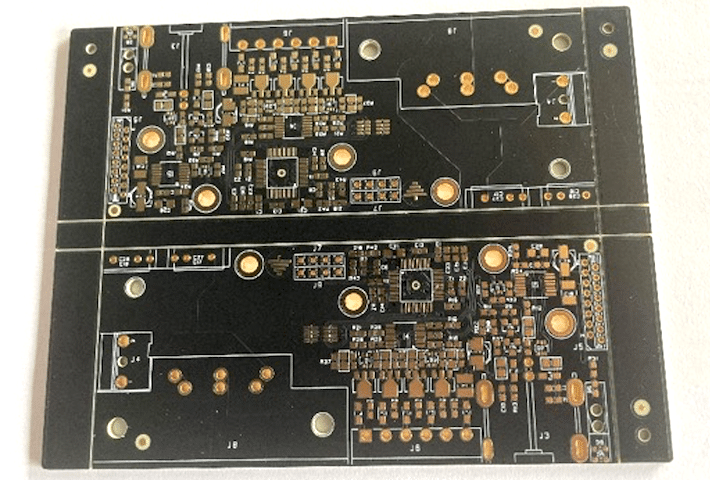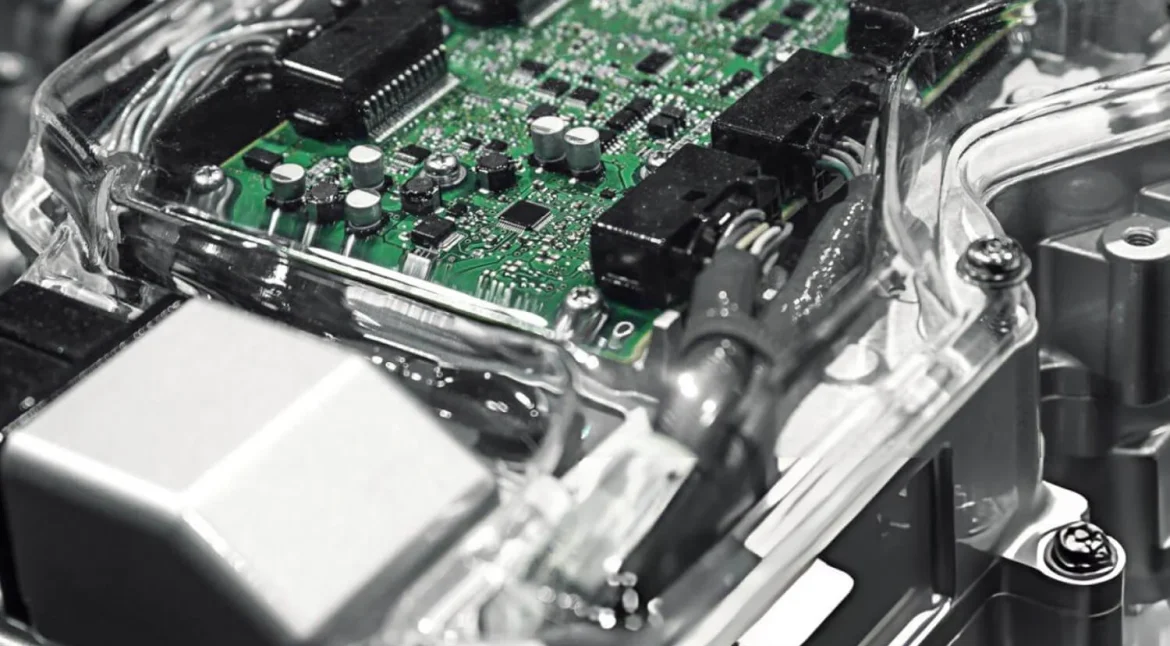
Squeegee Blade Wear: Why Print Quality Starts to Drift The squeegee blade is the part of a solder paste printer that turns a roll of paste into a filled aperture, and it is also the part that wears fastest. Its edge is a consumable with a measurable geometry, and the…
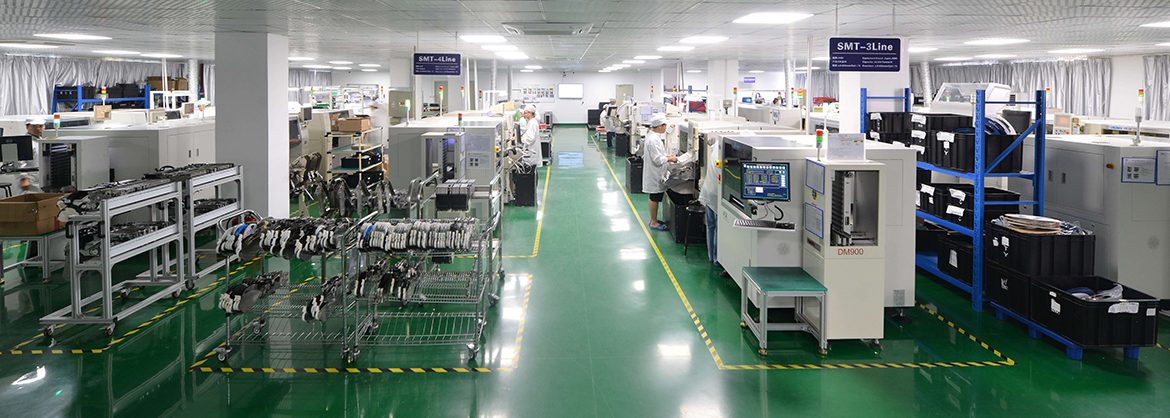
Packaging Shock Protection: 6 Rules for Shipping Boards Packaging shock protection is the system of cushioning, boxes and handling rules that keeps a finished board intact between the end of the line and the customer. The damage it prevents is mechanical rather than electrical, and it appears as cracked components,…
Solder Paste Transfer Efficiency: What the SPI Numbers Mean Transfer efficiency is the ratio of the paste volume that actually lands on the pad to the volume the aperture could hold. It is the number that tells a process engineer how well the stencil is releasing, and it is the…
Slot Quality Control: 6 Rules for Routed and Plated Slots Slot quality is judged by the width, the wall finish and the edge condition of the elongated openings that a board needs for connectors, keying, isolation and clearance. A slot is produced by routing, by drilling a series of overlapping…
Moisture Barrier Bag Sealing: Verifying the Seal Before It Ships A moisture barrier bag is the last process step that protects a dry assembly, and it works only while the seal holds. The bag itself is rarely the problem, because a laminated film is a poor transmitter of water vapour;…
Stackup Verification: Reading the Drawing Before the Drill Stackup verification is the check that the drawing, the material list and the drill data describe the same board. It happens before the first panel is laminated, and it is the last point at which a mistake costs a review rather than…
Non-Plated Holes: Tolerance, Burrs and Breakout Control Non-plated holes are drilled through the board after the plating steps, so nothing closes them back up afterwards. They exist for screws, connector clearance, isolation and tooling, and because they carry no electrical function they are often specified with less care than the…
Plating Rack Insulation: 6 Rules for Even Current Plating rack insulation is the coating that covers the metal frame of a plating rack so that current reaches the panels through the contact points and nowhere else. Where the coating is intact, the deposit follows the design; where it is damaged,…
Mask Exposure Latitude: 6 Rules for a Stable Window Exposure latitude is the range of exposure energy over which a solder mask image still develops correctly, from the smallest opening to the largest area of mask. A wide latitude means the process tolerates lamp ageing, thickness variation and small changes…
SMOBC Process: 6 Rules for Solder Mask Over Bare Copper SMOBC stands for solder mask over bare copper, and it describes a board where the mask is applied to etched copper that carries no tin resist, so the mask sits directly on the copper surface. The exposed pads then receive…