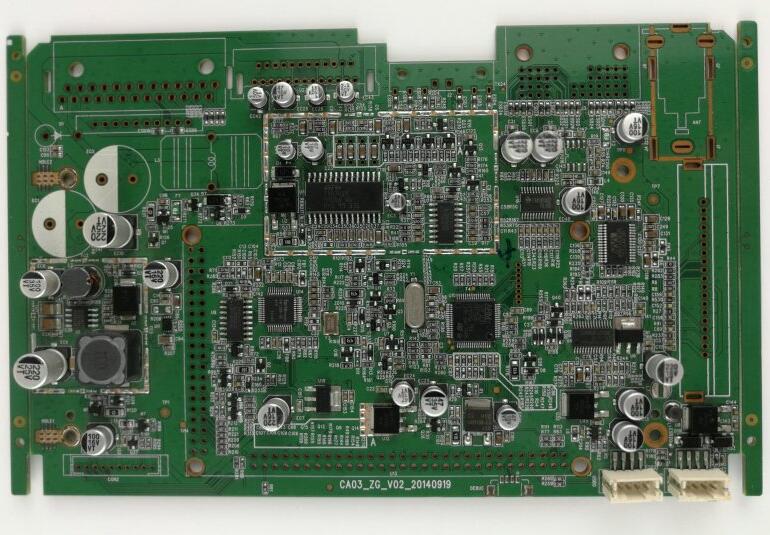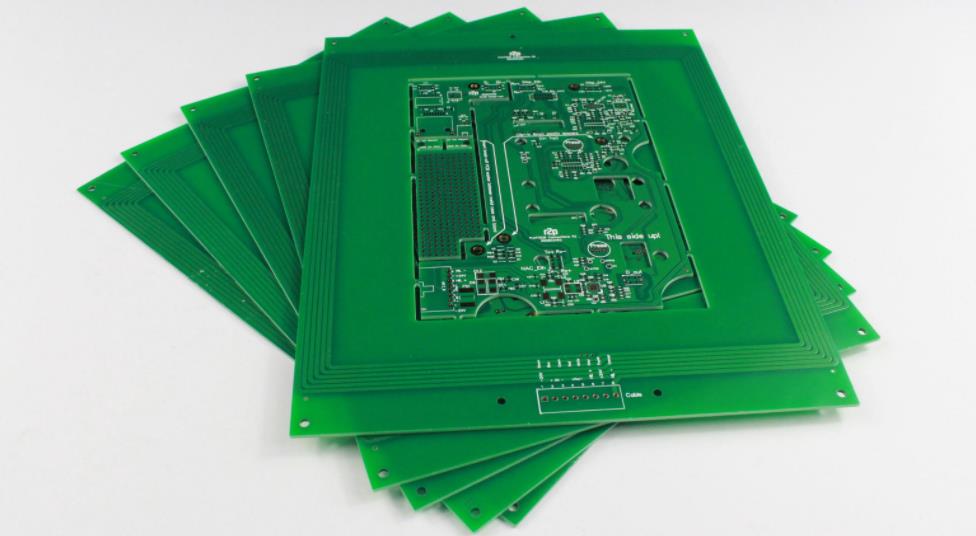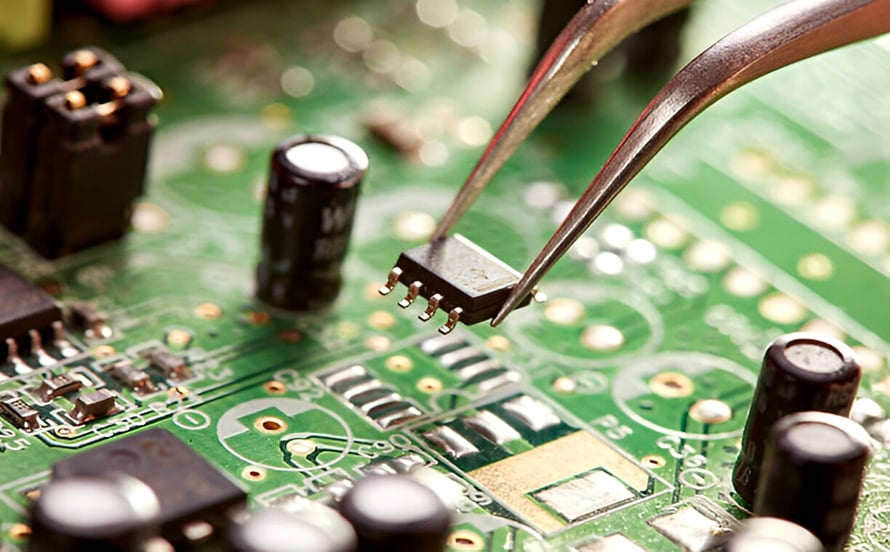
Fourteen Traits of a High Reliability PCB At a glance, two boards can look identical and behave completely differently. The difference is in details that are invisible from above — plating thickness, laminate consistency, mask quality, process discipline — and it becomes visible only in service, when one product runs…

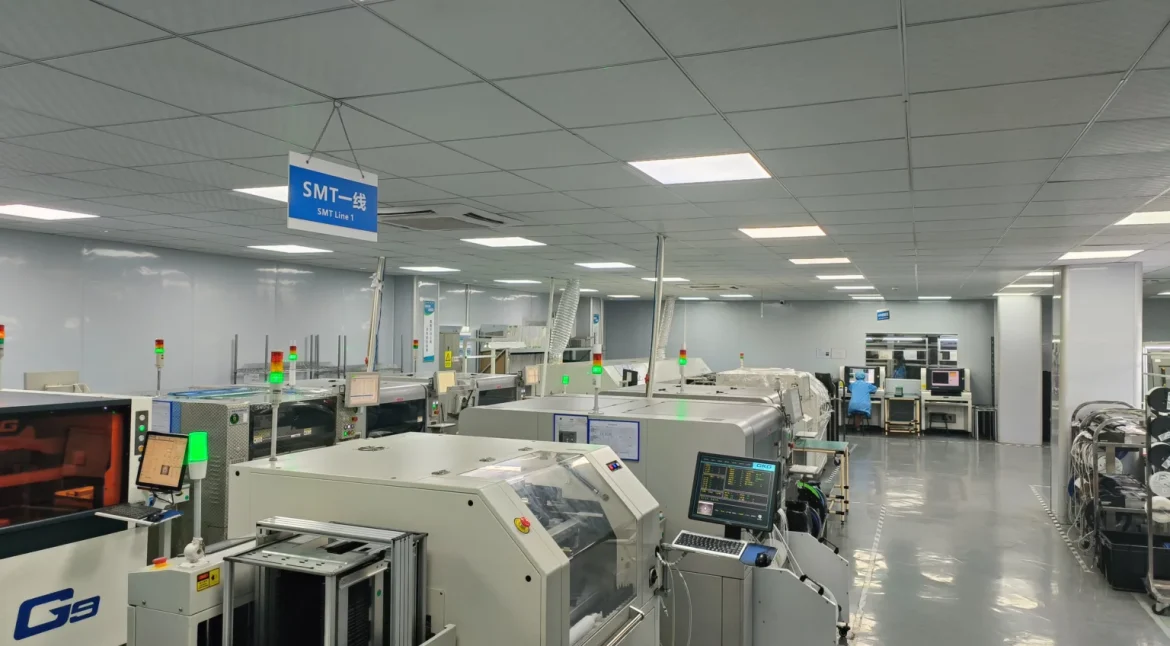
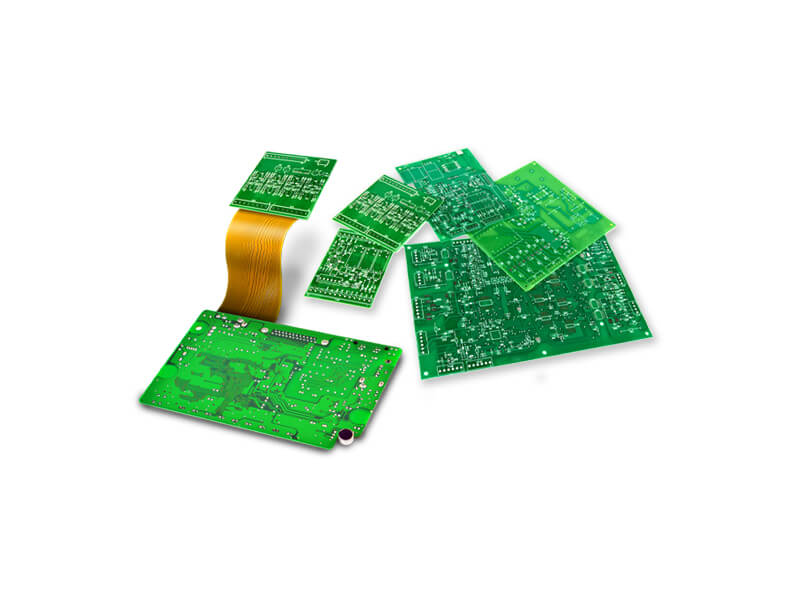
FPC Assembly: SMT Process Requirements on Flexible Boards Placing surface mount devices on a flexible circuit is not the same operation as placing them on a rigid board, and treating them as equivalent is how a flexible assembly acquires defects that only appear after bending. The differences are mechanical before…
Multiphysics Simulation in Automotive Electronics Design There is an old division of labour in vehicle engineering: the mechanical engineer designs the machine, the electronics engineer designs the navigation system, and the civil engineer designs the road. Each discipline worked independently. That separation is no longer practical, because a modern product…
Using the Smallest Components to Shrink PCB Area Sooner or later every board runs out of room. The requirement is usually stated as shrinking the product or adding function without enlarging it, and both resolve to the same problem: more circuitry per square millimetre, with the routing and placement difficulty…
10-Layer PCB Fabrication Challenges Explained A ten-layer board is not simply a six-layer board with four more sheets of material. Compared with a conventional product, high layer count work involves a thicker board, more layers, denser traces and vias, larger board sizes and thinner dielectric films — and every one…
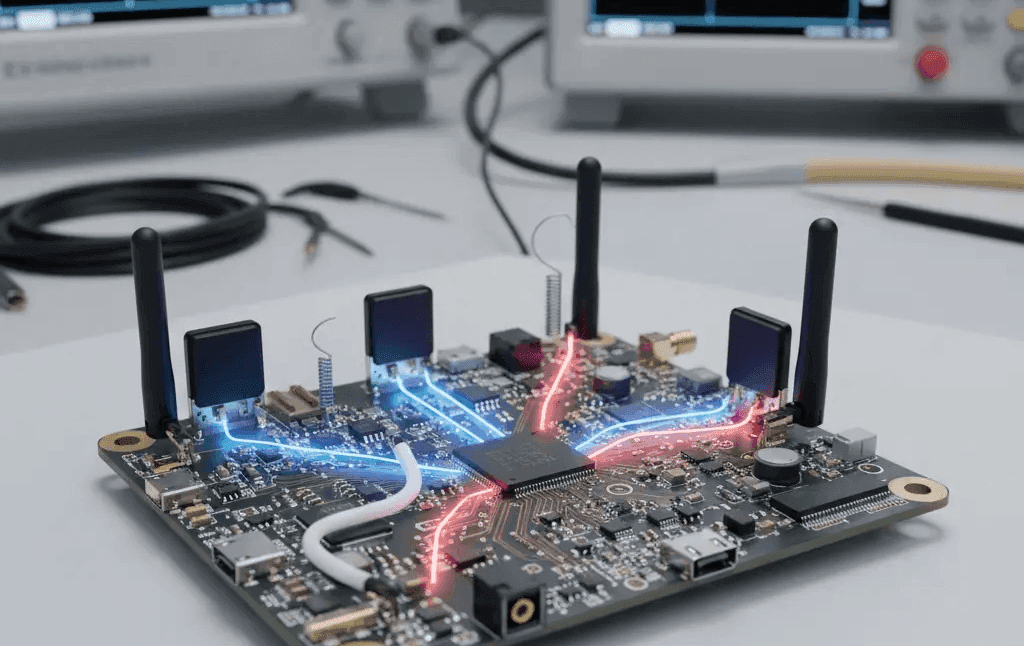
COM Express Carrier Board Layout Guide One way to shorten an embedded hardware programme is to stop designing the computer and start designing around it. A compute module packages the processor, its memory and the essential interfaces onto a small board with a standardised connector; the product-specific circuitry lives on…
Capacitor Selection for Automotive Electronics Choosing a capacitor looks like a two-parameter problem — capacitance and voltage — and it is not. Two parts with the same nominal value can behave completely differently at temperature, and one of them will be the wrong choice for a vehicle. Capacitor selection for…
Automotive Power MOSFET: Voltage Ratings and Layout In the space of a generation, the power device in a car has gone from a single alternator component to a distributed population of hundreds of switches spread across dozens of modules. Windows, fuel injection, intermittent wipers and cruise control all became standard,…
PCB Design Preparation: Goals, Libraries and Standards Layouts that run late rarely fail because the routing was too difficult. They fail because the work started before anyone agreed what the board was for, or before the footprint of a critical part had been checked against its datasheet. PCB design preparation…
High-Speed Routing on Multilayer PCB: Stackup and Rules Speed changes the rules of layout. At low frequency a trace is a wire; at high frequency it is a transmission line, and its behaviour depends on the structure around it rather than on the netlist. High-speed routing is the practice of…