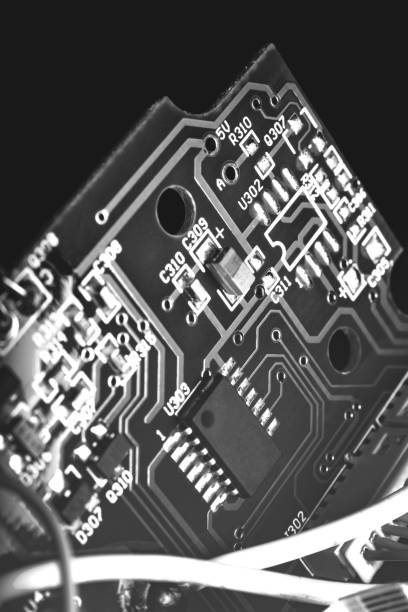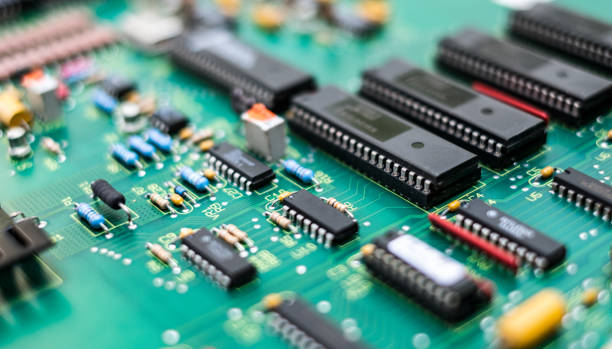
PCB Right-Angle Routing: Three Reasons to Avoid 90° Traces Can PCB Traces Be Routed at 90°? When engineers first learn PCB layout, one of the most common rules is to avoid 90° trace corners. However, PCB right-angle routing is not always prohibited. Whether it should be avoided depends largely on…
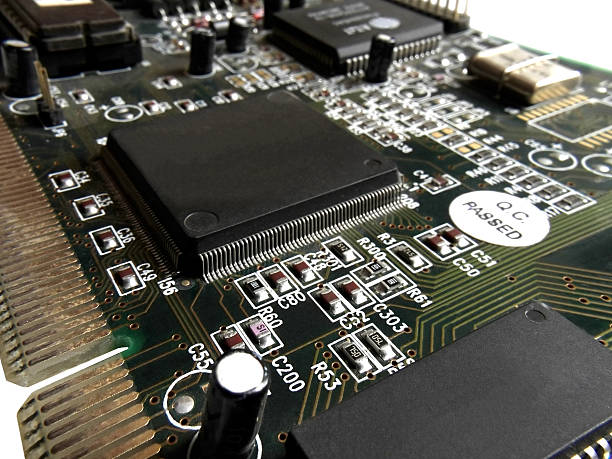
What Is AOI Inspection in PCB Assembly? AOI Inspection, or Automated Optical Inspection, is an important quality-control method widely used in electronics manufacturing and PCB assembly. AOI systems use cameras to capture detailed images of a PCB assembly and compare the actual board against predefined design or inspection criteria. Depending…
PCB Gold Fingers: Complete Design and Manufacturing Guide The row of gold-colored conductive contacts found on computer memory modules, graphics cards, and other expansion boards is commonly known as a “gold finger.” The same discipline applies to PCB Gold Fingers, where a small process drift turns into a large yield…
PCB Hole Design and Slot Design Guide: Common Mistakes to Avoid PCB holes and slots may look like simple features, but they play critical roles in electrical connections, component mounting, mechanical assembly, and board fabrication. A small mistake in defining a hole or slot can cause unexpected manufacturing results, assembly…
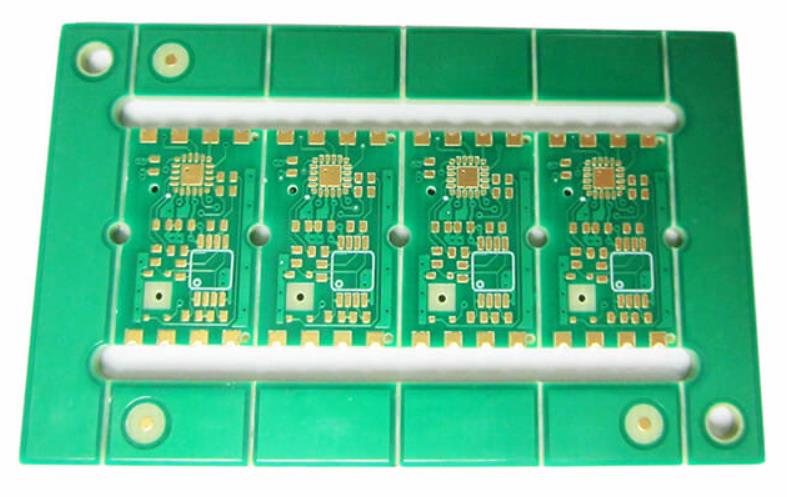
3 Critical PCB Panelization Details for Reliable Production From PCB design to mass production, every stage requires careful attention. Engineers may spend considerable time optimizing a single PCB, but overlooking panelization details can still create significant production problems. Proper PCB Panelization ensures that multiple PCB designs are correctly arranged and…
Gerber Files: The Key to Correct PCB Solder Mask Coverage After a PCB is delivered, manufacturers sometimes receive questions or complaints about incorrect solder mask coverage, especially regarding whether vias should be exposed or covered with solder mask. Some engineers assume that selecting an option such as “Via Open” or…
How to Prevent PCB Short Circuits During the Design Stage In PCB design and manufacturing, short circuits are among the most common and costly failure modes. A single design mistake can lead to product malfunction, manufacturing scrap, assembly issues, or field failures. The key question is: can short circuits…
PCB Quality Standards: PCB Visual Inspection & IPC Class 2 Criteria The same discipline applies to PCB Quality Standards, where a small process drift turns into a large yield loss. The same discipline applies to PCB Quality Standards, where a small process drift turns into a large yield loss.…
High Frequency Circuit Board Manufacturer: Capabilities and Guide A high frequency circuit board manufacturer must control materials, impedance, and process quality more carefully than a standard PCB supplier. Communication systems, radar, satellite equipment, aerospace electronics, and medical instruments depend on boards that can carry high-frequency signals with low loss and…
6-Layer PCB Prototype Guide: Process, Cost and Design Tips A 6-layer PCB prototype is a small batch of six-layer circuit boards made to validate a design before volume production. Product development teams use prototypes to test electrical behavior, fit, signal quality, and manufacturability. A 6-layer board provides more routing area,…