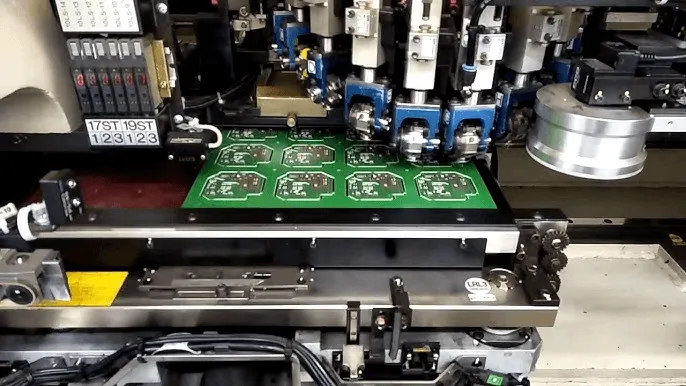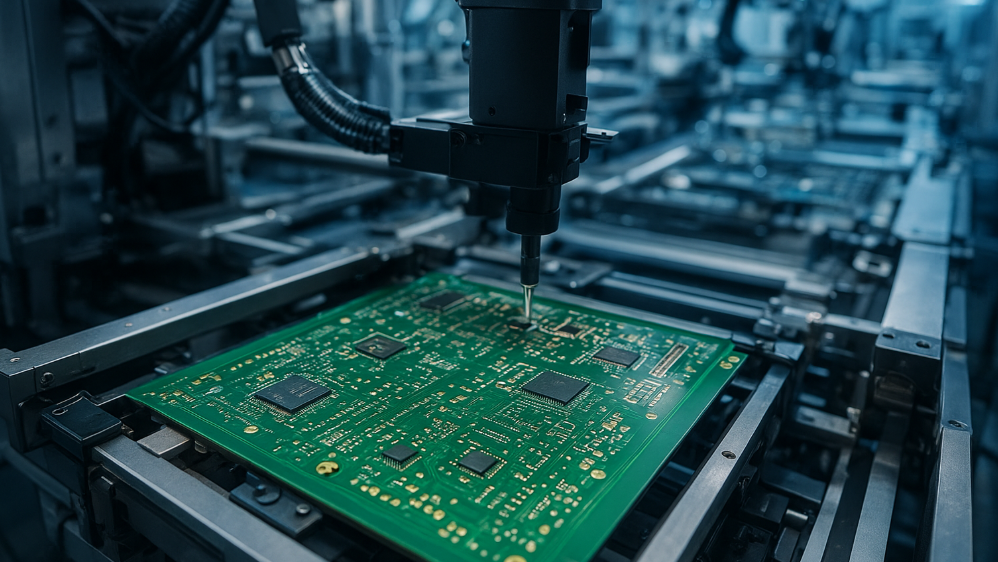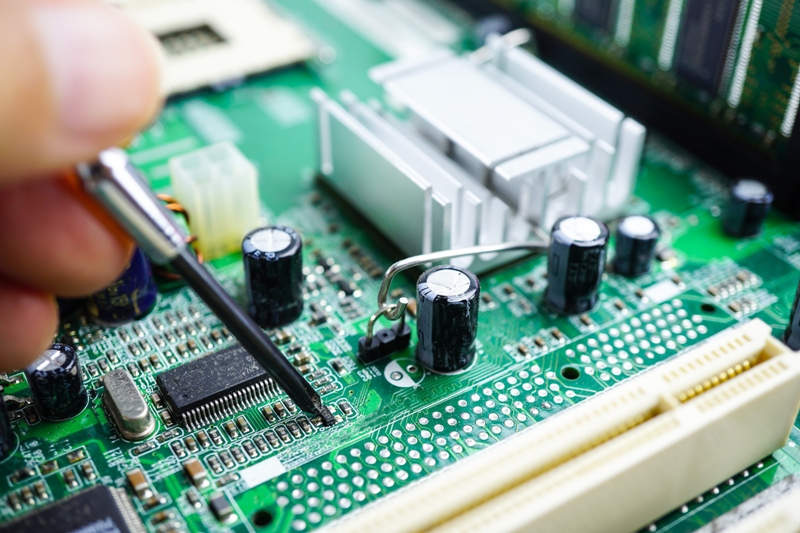
PCB Assembly

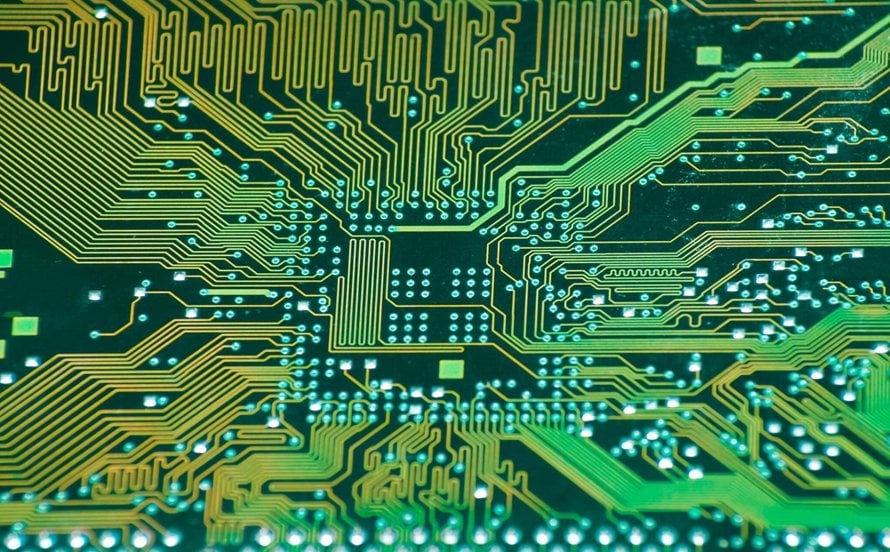
40-layer PCB Any-Layer Interconnect PCB Solution for High-Speed Electronics

  40-Layer Any-Layer Interconnect PCB Solution A 40-layer PCB is designed for high-performance electronic systems that require extremely high wiring density, stable signal integrity, and reliable power distribution. By combining high layer counts, any-layer interconnect technology, precision microvia fabrication, and advanced multilayer lamination, this type of board can support demanding…
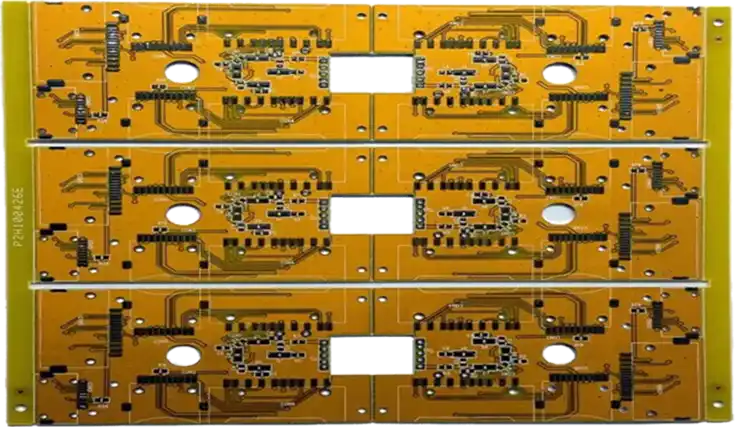
High-Speed PCB Design, Manufacturing, and Assembly

multilayer PCB surface finish Immersion Silver for Multilayer PCBs: A Complete Comparison

  Immersion Gold vs. Immersion Silver for Multilayer PCBs Surface finishing is a critical step in multilayer PCB surface finish manufacturing. It protects exposed copper from oxidation and corrosion while helping maintain solderability, electrical performance, and long-term reliability. Among the commonly used options, immersion gold PCB and immersion silver PCB…
PCB prototype manufacturing

Multilayer PCB Via Plugging Process and Quality Control

  Multilayer PCB Via Plugging Process and Quality Control During multilayer PCB manufacturing, via plugging is an important process for maintaining PCB electrical performance, structural integrity, and long-term reliability. Vias provide critical electrical connections between different circuit layers, while proper filling helps protect the via structure, prevent contamination, and create…
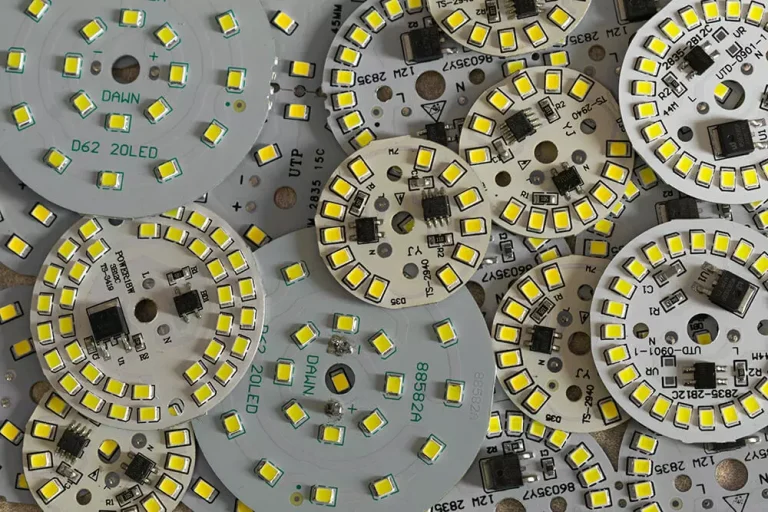
LED PCB

Automotive Multilayer PCB Manufacturing | High-Reliability PCB Solutions

  Automotive Multilayer PCB Manufacturing Automotive electronics operate under demanding conditions, including wide temperature fluctuations, vibration, electrical noise, high current loads, and long service cycles. As vehicle electronic systems become more integrated, automotive multilayer PCB technology has become an important foundation for vehicle control units, ADAS, radar, battery management systems,…
Future Trends in Autonomous Vehicle Control PCBs

Automotive PCB vs Standard PCB: Key Differences in Materials, Reliability and Manufacturing

Automotive PCB vs. Standard PCB: Key Differences in Materials, Reliability and Manufacturing Printed circuit boards are the foundation of modern electronic systems, but not all PCBs are designed for the same operating conditions. Automotive PCB technology is developed for vehicle electronics that must withstand temperature changes, vibration, moisture, chemicals, and…
Green PCB Production

High-Speed PCB Stack-Up Design: Layer Arrangement, Ground Planes & Impedance Control

  How to Design a High-Speed PCB Stack-Up In high-speed electronic systems, PCB Stack-Up design is fundamental to signal integrity, power integrity, and electromagnetic compatibility. The arrangement of signal layers, ground planes, power planes, and dielectric materials directly affects signal return paths, impedance, crosstalk, EMI, and overall system stability. Unlike…
HDI PCB Design Rules

Multilayer PCB Material Selection Guide: FR-4, High-Frequency & High-Thermal Materials

  Multilayer PCB Material Selection Guide A Multilayer PCB is a critical platform for advanced electronic systems, and material selection directly affects electrical stability, thermal performance, structural reliability, and service life. Compared with single- and double-sided boards, multilayer structures must maintain compatibility between multiple dielectric layers, copper layers, and bonding…
Traceability in Electronics Manufacturing

2oz–8oz Heavy Copper PCB Manufacturer for High-Current Power Boards

  2oz–8oz Heavy Copper PCB for High-Current Power Applications Industrial power equipment, renewable energy systems, and advanced power electronics require reliable circuit boards capable of handling high current and continuous electrical loads. Heavy Copper PCB technology provides increased current-carrying capacity, improved heat dissipation, and enhanced mechanical strength, making it suitable…
AI and Smart Factory in PCB Manufacturing

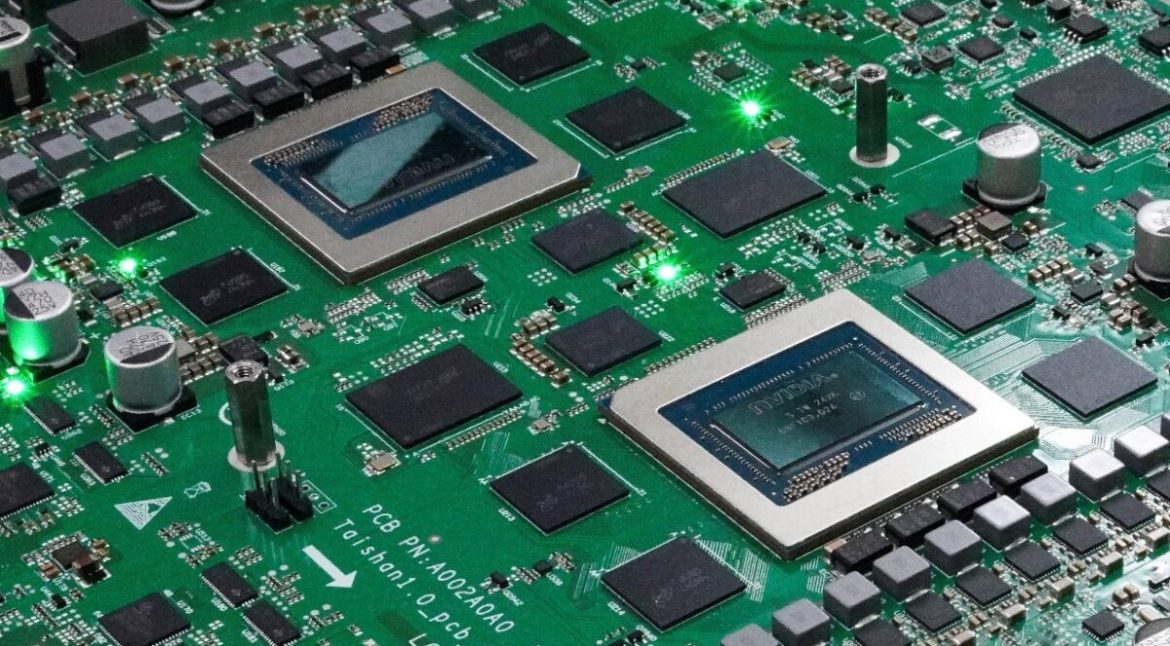
AI Server PCB High-Layer-Count High-Speed Backplane PCB Manufacturer

  AI Server High-Layer-Count High-Speed Backplane PCB Manufacturing As AI computing clusters continue to expand, server interconnect architectures are undergoing major changes. High-layer-count, high-speed backplane PCBs have become critical physical platforms for rack-level interconnection. They directly influence data transmission efficiency, signal integrity, system stability, and overall computing performance. For modern…
009

High-Frequency PCB Manufacturing Key Process Requirements

  High-Frequency Impedance PCB Manufacturing: Key Process Requirements High-frequency impedance PCBs require specialized materials and tightly controlled manufacturing processes to maintain stable signal transmission. Compared with conventional PCBs, these boards demand much stricter control throughout material preparation, lamination, drilling, circuit formation, surface finishing, and final inspection. The same discipline applies…