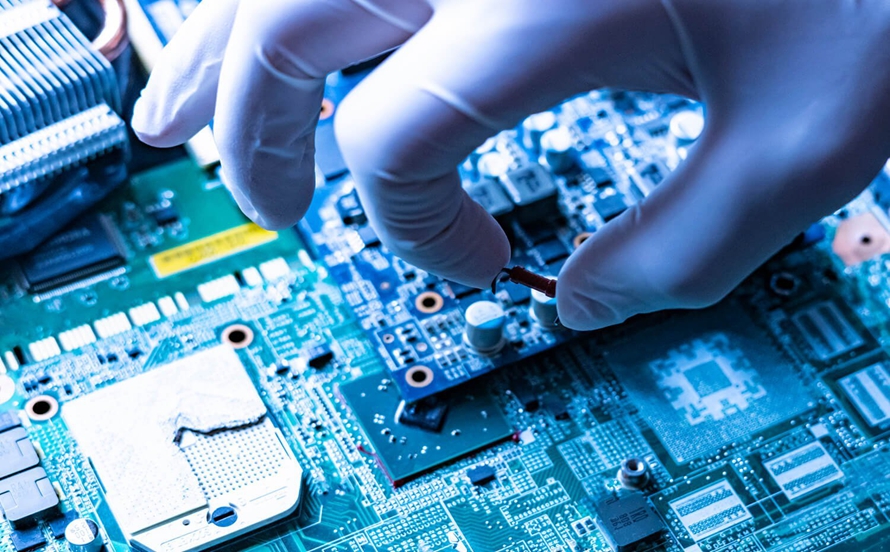
Turnkey PCB assembly1 1

Turnkey PCB Assembly: PCB Design, PCB Manufacturing & Assembly Guide

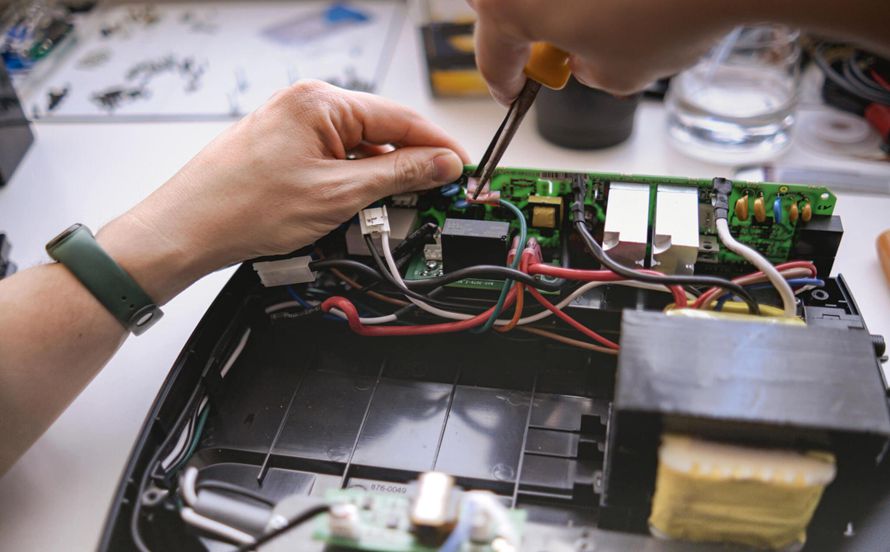
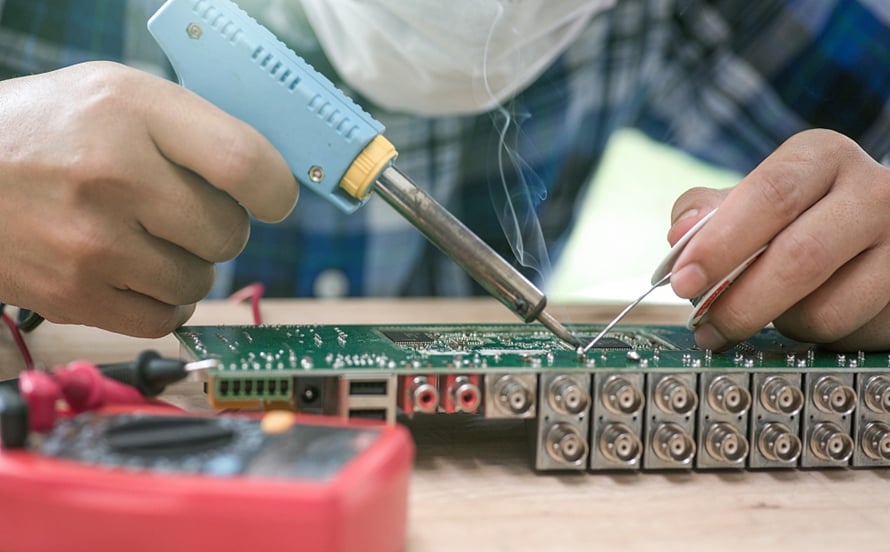
Turnkey PCB Assembly: PCB Design, PCB Manufacturing & Complete Electronics Manufacturing Guide PCB assembly is a technology-intensive manufacturing process that requires advanced equipment, significant capital investment, strict quality control, and skilled personnel. For many companies, building and managing an entire electronics manufacturing operation in-house is neither practical nor cost-effective. This…
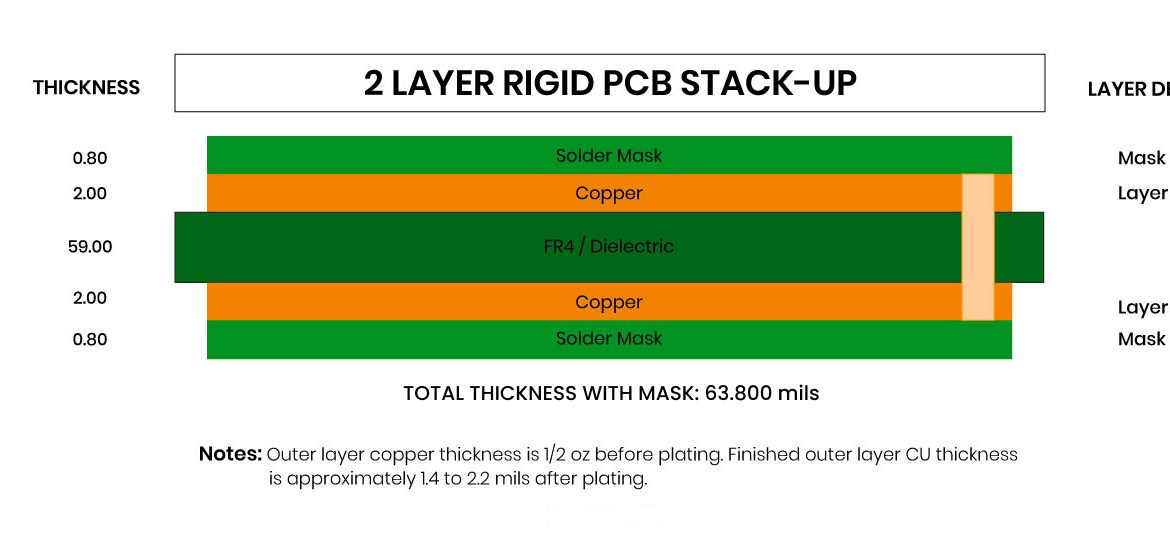
2 layer PCB Stackup

2-Layer PCB Stackup: PCB Design, PCB Manufacturing & Layer Stackup Guide

2-Layer PCB Stackup: PCB Design, PCB Manufacturing & Layer Stackup Guide Printed circuit boards (PCBs) are the foundation of countless electronic and electrical products, ranging from simple control circuits to highly complex computing and communication systems. PCBs are available in different sizes, shapes, materials, and layer configurations depending on their…
PCB Box Build Assembly

Box Build Assembly: Complete Process, PCB Assembly & System Integration

What Is Box Build Assembly? Box Build Assembly refers to the complete process of integrating a product’s electronic, mechanical, electrical, and structural components into a fully functional unit. Unlike conventional PCB Assembly, which primarily focuses on mounting and soldering electronic components onto a printed circuit board, box build assembly covers…
Through-Hole-PCB-Assembly-1

Through-Hole PCB Assembly: PCB Design, PCB Manufacturing & THT Guide

Through-Hole PCB Assembly: PCB Design, PCB Manufacturing & THT Guide Through-hole assembly may appear to be a straightforward PCB assembly method, but producing reliable, long-lasting solder joints requires precise component placement, controlled soldering processes, and experienced manufacturing techniques. Although Surface Mount Technology (SMT) has become dominant in modern electronics, Through-Hole…
Taconic PCB

Taconic PCB Materials: PCB Design, PCB Manufacturing & RF Guide

Taconic PCB Materials: PCB Design, PCB Manufacturing & High-Frequency Applications Modern high-frequency and RF electronic systems require PCB materials with carefully controlled electrical, thermal, and mechanical properties. As operating frequencies increase, conventional PCB materials may not provide the low dielectric loss, stable dielectric constant, thermal stability, and dimensional consistency required…
PCB-terminology

PCB Glossary: PCB Design, PCB Manufacturing & PCB Assembly Terms

PCB Glossary: PCB Design, PCB Manufacturing & PCB Assembly Terminology Understanding PCB Manufacturing, PCB Assembly, and electronic production starts with understanding the terminology used throughout the industry. The PCB industry contains thousands of technical terms covering PCB materials, circuit design, fabrication processes, assembly technologies, testing methods, component packages, and quality…
LED-PCB-Boards

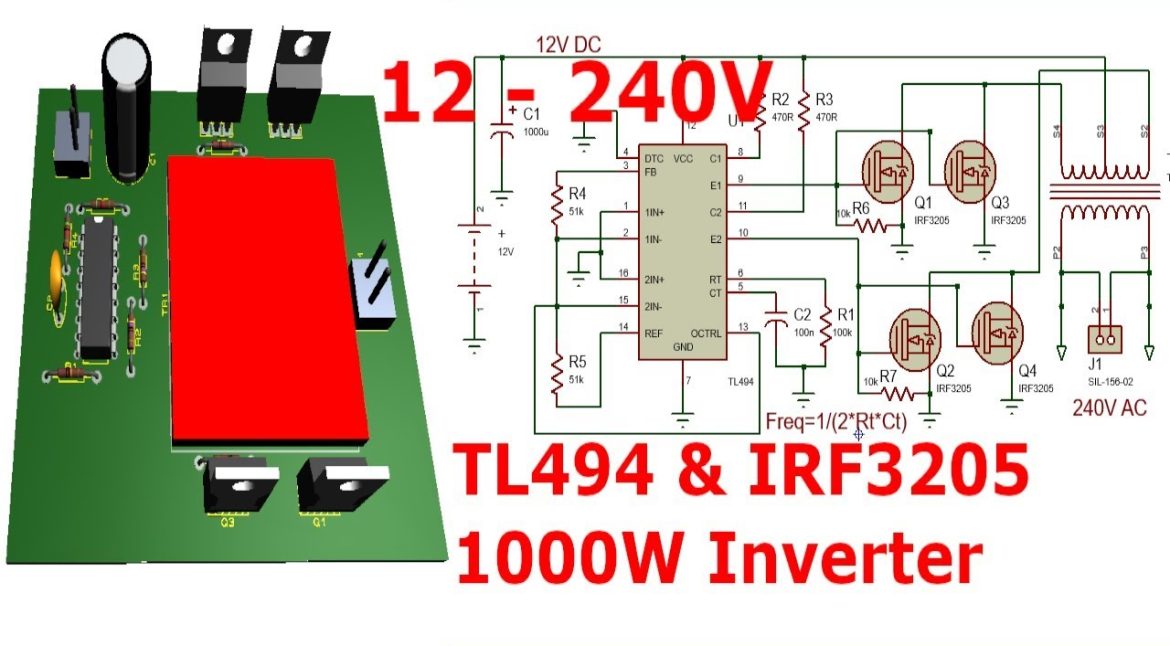
Inverter PCB Design: PCB Design, PCB Manufacturing & Layout Guide

Inverter PCB Design: PCB Design, PCB Manufacturing & High-Power Layout Guide Inverter technology plays a critical role in modern electronic and power-conversion systems. By converting direct current (DC) into alternating current (AC), inverters enable efficient power conversion and control across applications such as renewable energy systems, electric vehicles, industrial equipment,…
Inverter-PCB-design

OEM vs ODM: PCB Design, PCB Manufacturing & Key Differences

OEM vs ODM: Differences, Advantages, Costs & Electronics Manufacturing OEM and ODM are two widely used manufacturing models in the electronics industry. Both allow companies to outsource some or all of their product manufacturing activities, but they differ significantly in terms of product ownership, design responsibility, customization, intellectual property, and…