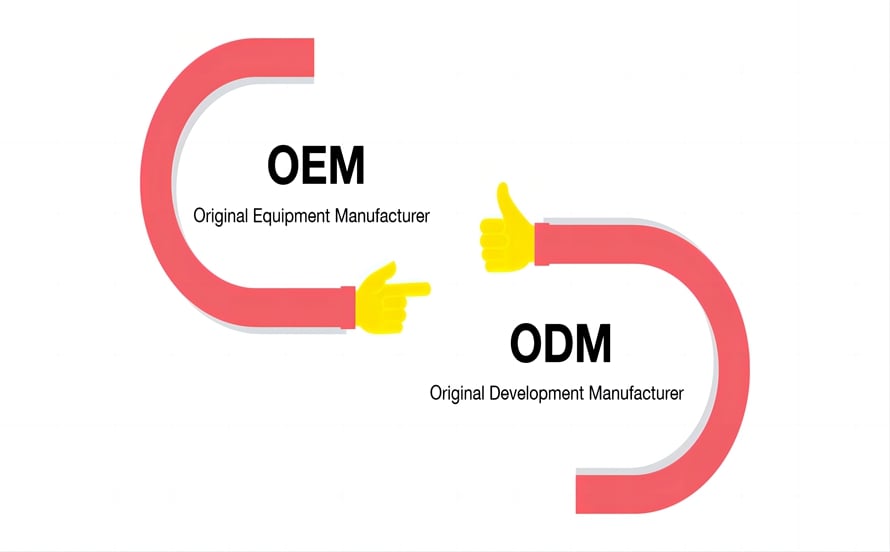
OEM vs ODM: Differences, Advantages, Costs & Electronics Manufacturing OEM and ODM are two widely used manufacturing models in the electronics industry. Both allow companies to outsource some or all of their product manufacturing activities, but they differ significantly in terms of product ownership, design responsibility, customization, intellectual property, and…
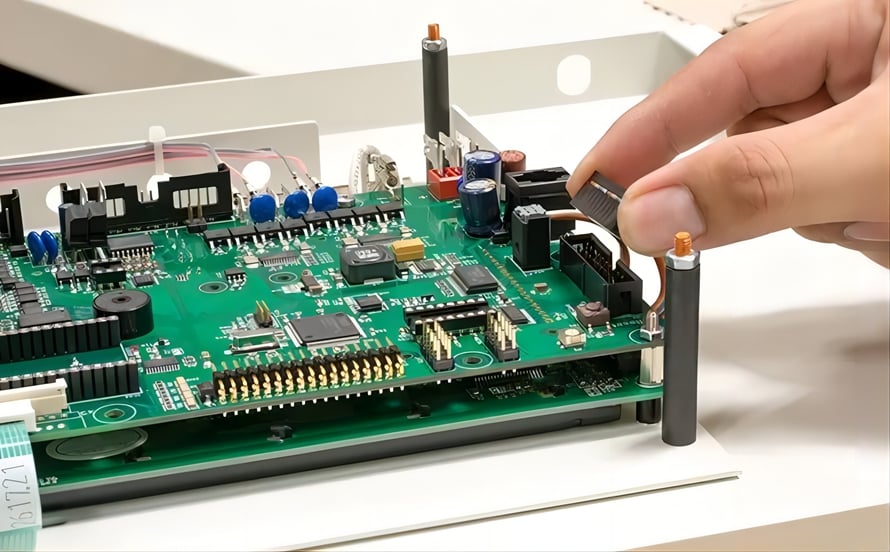
Electronics Manufacturing Services (EMS): PCB Design, PCB Manufacturing & 12-Step Process Electronics Manufacturing Services (EMS), also known as electronic contract manufacturing, refers to a broad range of services that support the development, production, testing, assembly, distribution, and after-sales management of electronic products. Depending on the provider and project requirements, an…
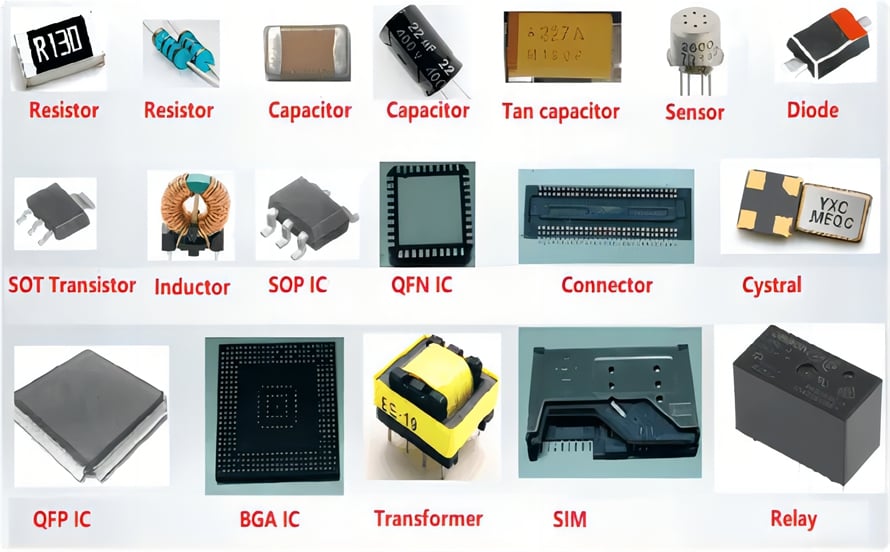
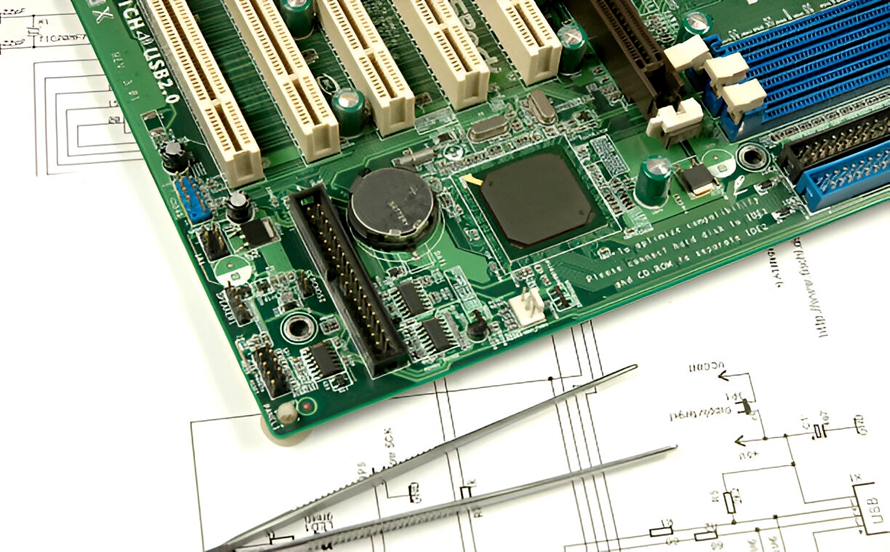
Common PCB Components: Types, Functions & PCB Design and PCB Manufacturing Guide A functional printed circuit board consists of a PCB substrate and a variety of electronic components. Although PCBs are available in many different types and configurations, the components mounted on them are equally diverse. Each component performs a…
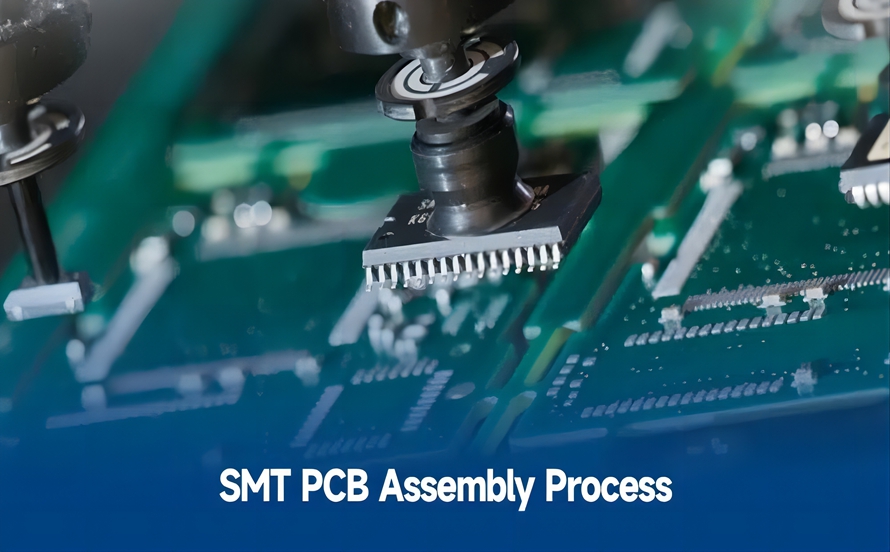
SMT PCB Assembly Process: 8 Steps for PCB Design and PCB Manufacturing The electronics industry is developing rapidly, and electronic products are becoming smaller, more powerful, and increasingly complex. To meet these demands, engineers widely use Surface Mount Technology (SMT) and advanced SMT manufacturing processes to achieve high component density,…
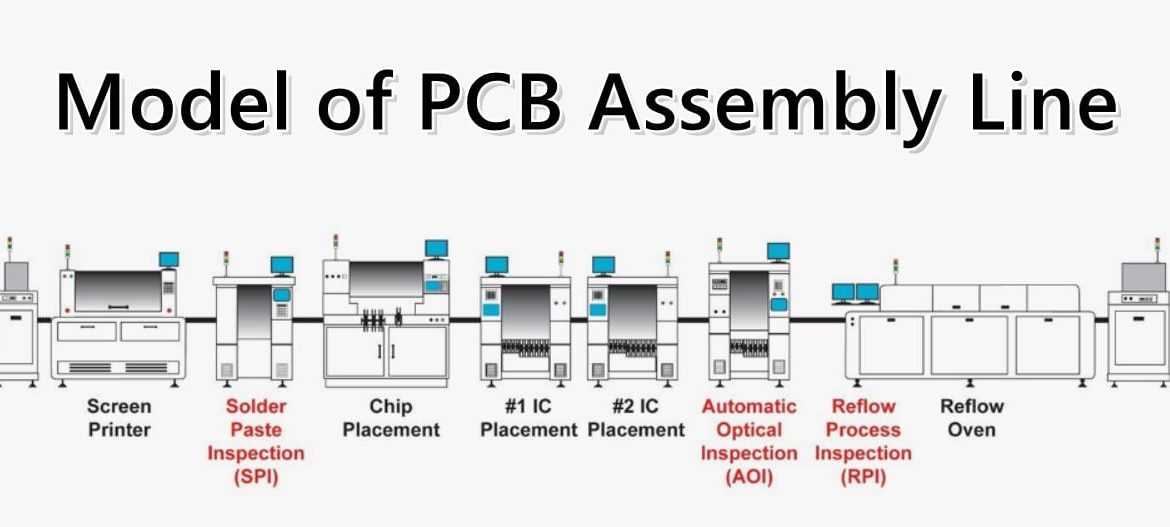
PCB Assembly Process: Step-by-Step PCBA Guide for PCB Manufacturing The PCB Assembly Process is one of the most critical stages in the development and production of electronic products. A well-designed PCB cannot function as intended unless its components are correctly placed, soldered, inspected, and tested. The complete PCBA Process combines…
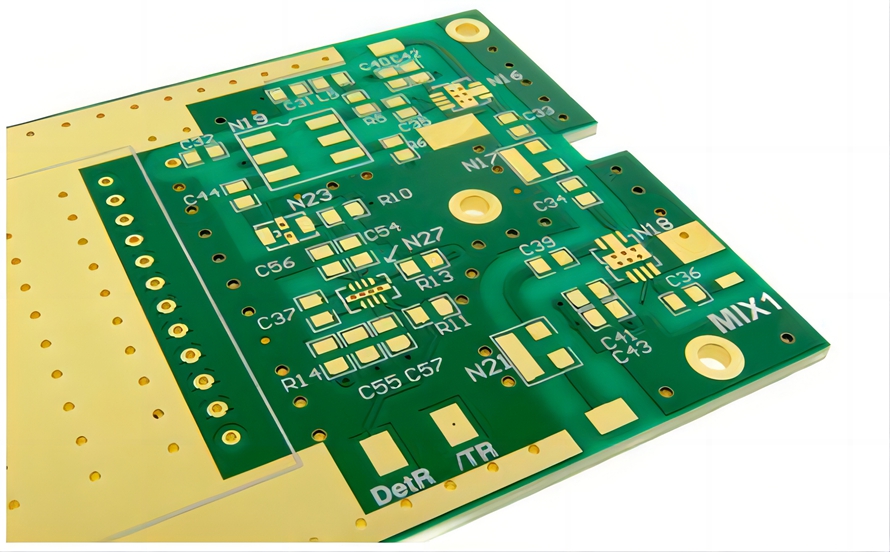
Taconic PCB: RF Materials, PCB Design and PCB Manufacturing Guide Taconic PCB technology is widely associated with high-performance printed circuit boards used in high-frequency, RF, microwave, and high-speed electronic applications. Unlike conventional PCB materials, specialized Taconic laminates are engineered to provide controlled dielectric properties, low signal loss, thermal stability, and…
Microwave PCB: RF Materials, PCB Design and PCB Manufacturing Guide The electronics industry covers a wide range of applications, from wireless communication and radar systems to medical equipment, automotive electronics, and aerospace systems. Despite their differences, these technologies share one fundamental building block: the printed circuit board (PCB). As electronic…
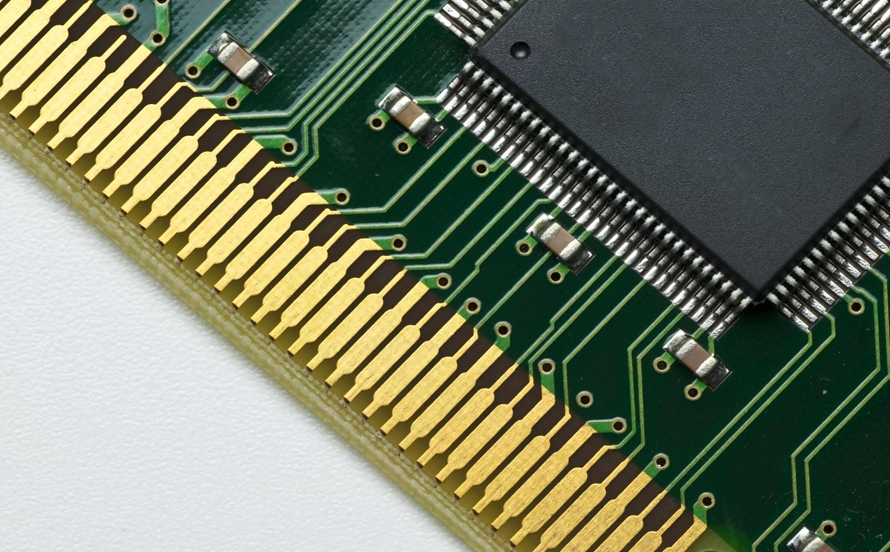
PCB Edge Connectors: Types, Benefits, Applications & PCB Design and Manufacturing In the electronics industry, reliable electrical connections are fundamental to system performance. Without dependable interconnections, electronic devices cannot function as intended. A PCB edge connector provides a practical interface for connecting a printed circuit board to another PCB, a…
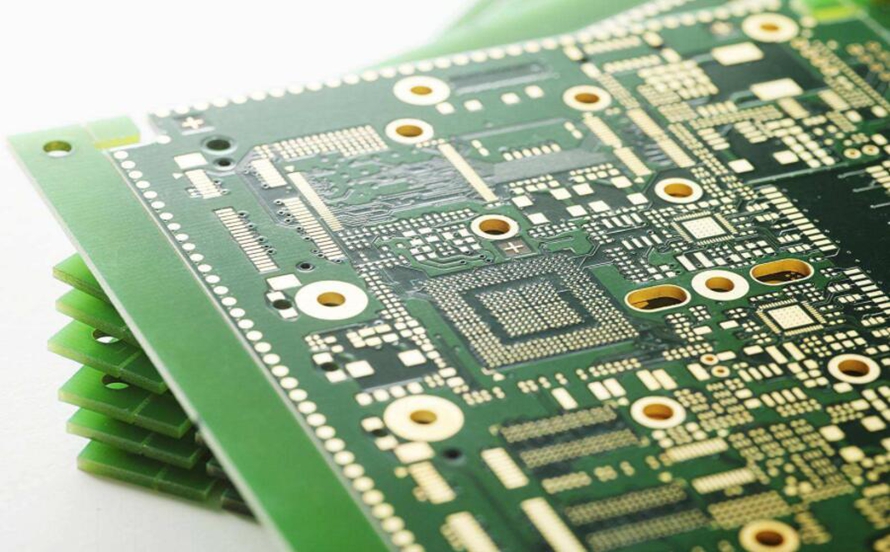
High-Speed PCB Materials: Properties, Selection Guide & PCB Design and Manufacturing In today’s rapidly evolving electronics industry, printed circuit boards (PCBs) are the foundation of almost every electronic device and system. They support applications ranging from low-power consumer electronics to high-power computing, telecommunications, aerospace, automotive, and defense systems. However, not…
PCB DFM: Design for Manufacturability Guidelines for PCB Design and Manufacturing During the planning stage of a new electronic product, both the technical and financial aspects of PCB Manufacturing must be carefully considered. Keeping manufacturing costs under control is particularly important for high-volume production, where even a small design issue…