PCB Stencil Frame Tension: A Sheet That Stays Flat Buyers and engineers often focus on the finished product and forget the production line behind it. In practice, most field failures can be traced back to process decisions made during assembly. Understanding PCB stencil frame tension gives you a practical advantage…
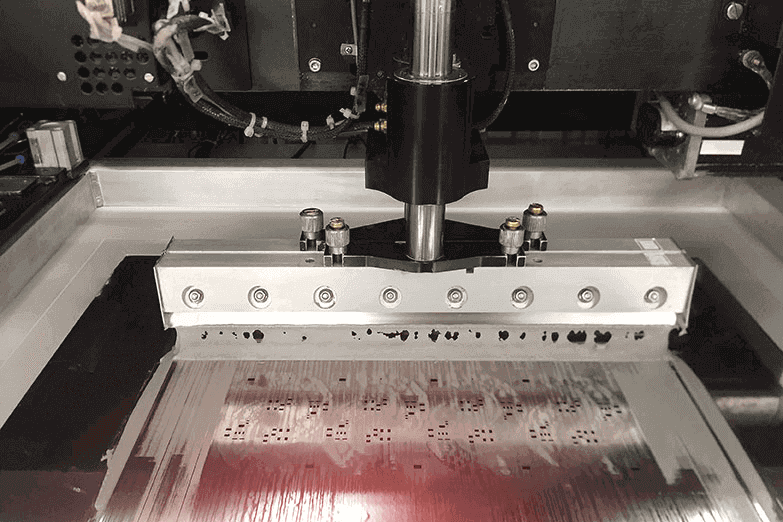
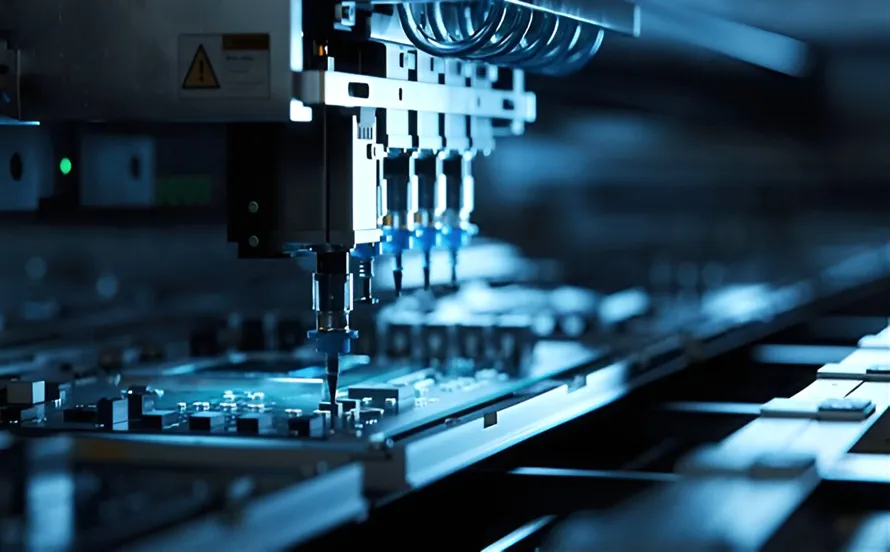
PCB Paste Viscosity Control: Keeping the Paste Printable Electronics manufacturing has become a discipline of small details. Solder paste volumes, placement accuracy, temperature profiles and inspection limits all add up to the final result. This guide looks at PCB paste viscosity control from the perspective of a PCBA factory floor,…
PCB Stencil Laser Cut Quality: The Edge of the Aperture Modern electronics depend on boards that are assembled correctly the first time. Every product – a phone, a charger, a medical instrument or an industrial controller – relies on thousands of solder joints that must conduct current for years. This…
High Frequency PCB Design: Materials, Impedance and Loss Above a few hundred megahertz the board stops being a set of connections and becomes a transmission medium. Trace geometry, the material between the trace and its reference plane, and the roughness of the copper all shape the signal, and a design…
Wireless Charging PCB: Coil Drive, Shielding and Thermal A wireless charging board converts a DC supply into an alternating magnetic field and couples it into a coil in the device being charged. The electronics are a resonant converter with a coil as its load, and the layout has to handle…
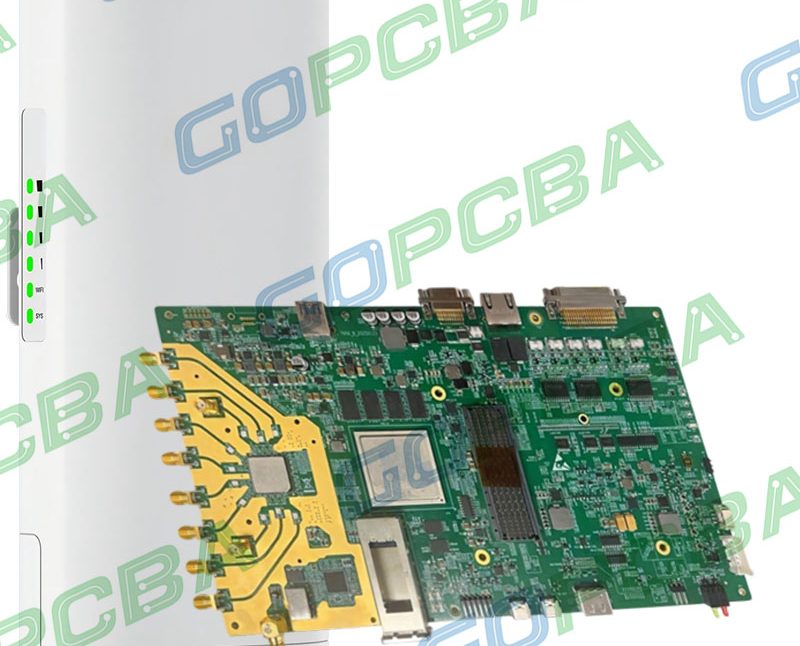
GPU PCB Design: Layer Counts, Materials and Signal Integrity A graphics card is not a motherboard with a bigger chip on it. The GPU package carries thousands of solder balls, the memory sits on very short and carefully matched traces, and the power delivery section can pull hundreds of amps…
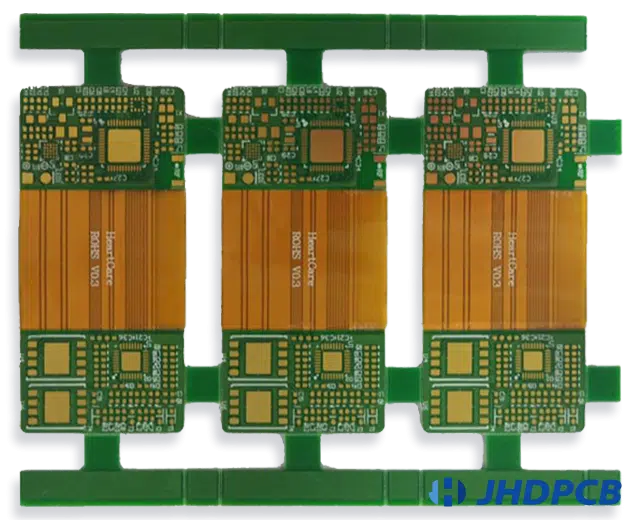
FPC Adhesive Backing: Acrylic, Epoxy and Adhesiveless Most flexible circuits are built from layers that are bonded together, and the material doing the bonding is the adhesive backing. It sits between the copper and the polyimide film, holds the coverlay in place, and to a large extent decides how many…
Medical PCB Prototyping to Production: Process and Requirements A medical PCB is not simply a well made circuit board. It is a board whose behaviour has to be demonstrable, whose materials have to be traceable, and whose process has to stay identical from the first prototype to the ten thousandth…
PCB Laminate Materials: Dielectric Properties, Tg and Reliability A laminate is chosen by its specifications, and the specifications that matter most are the dielectric constant, the glass transition temperature and the reliability data that sits behind them. Brand names are convenient shorthand, but the same family of materials is available…
PCB Visual Inspection Under Magnification: Small Things You Can See Buyers and engineers often focus on the finished product and forget the production line behind it. In practice, most field failures can be traced back to process decisions made during assembly. Understanding PCB visual inspection under magnification gives you a…