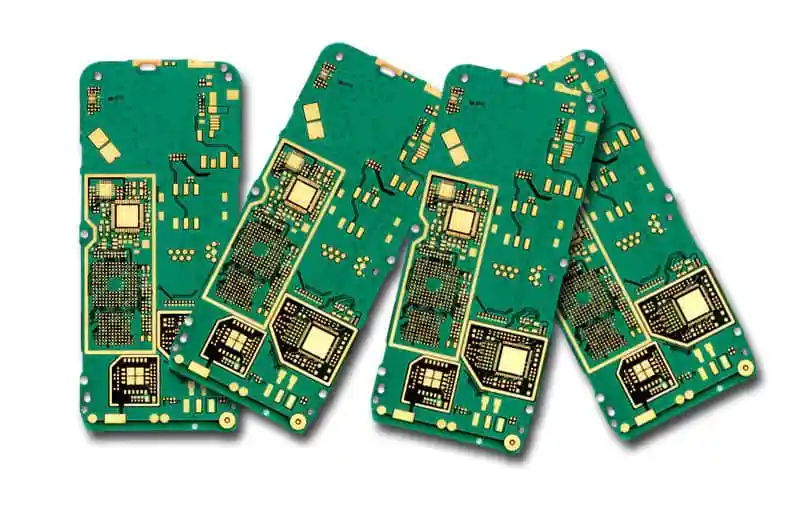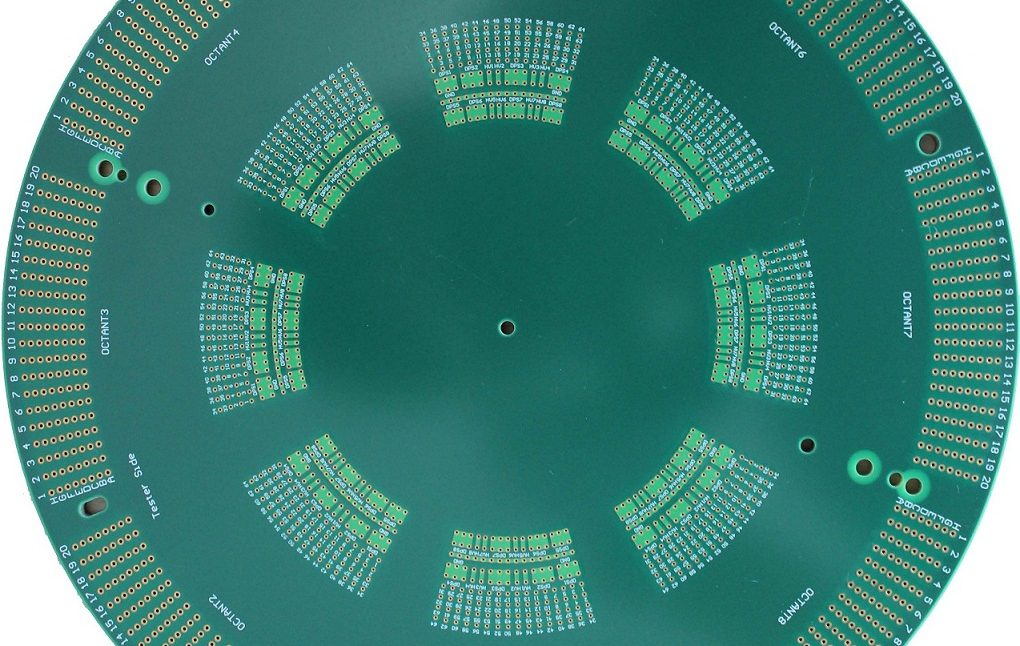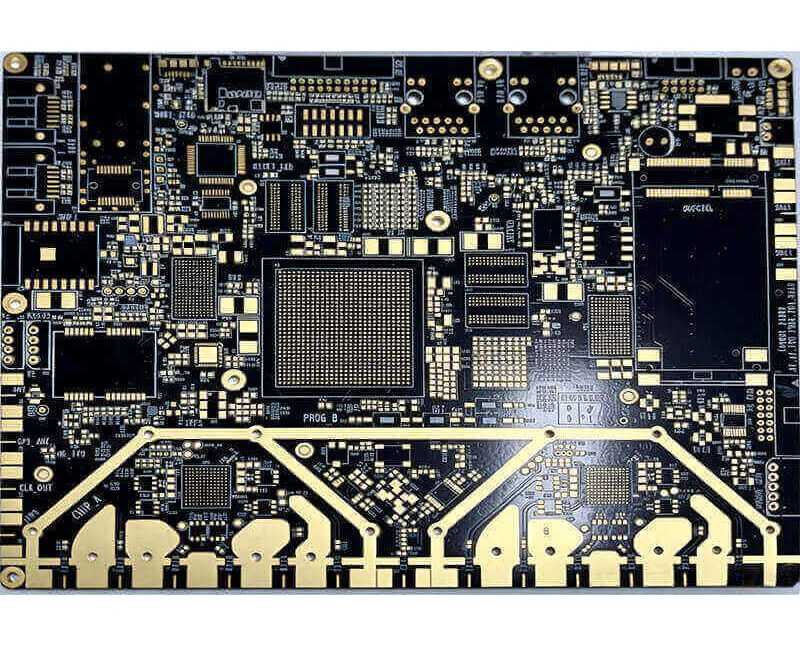
Twelve-Layer PCB: Stackup, Fabrication and Design Practice Twelve layers is the point where a board stops being a routing problem and becomes an architecture problem. Below that count a designer can usually add a layer to solve a difficulty; at twelve, every layer has to be assigned a purpose and…
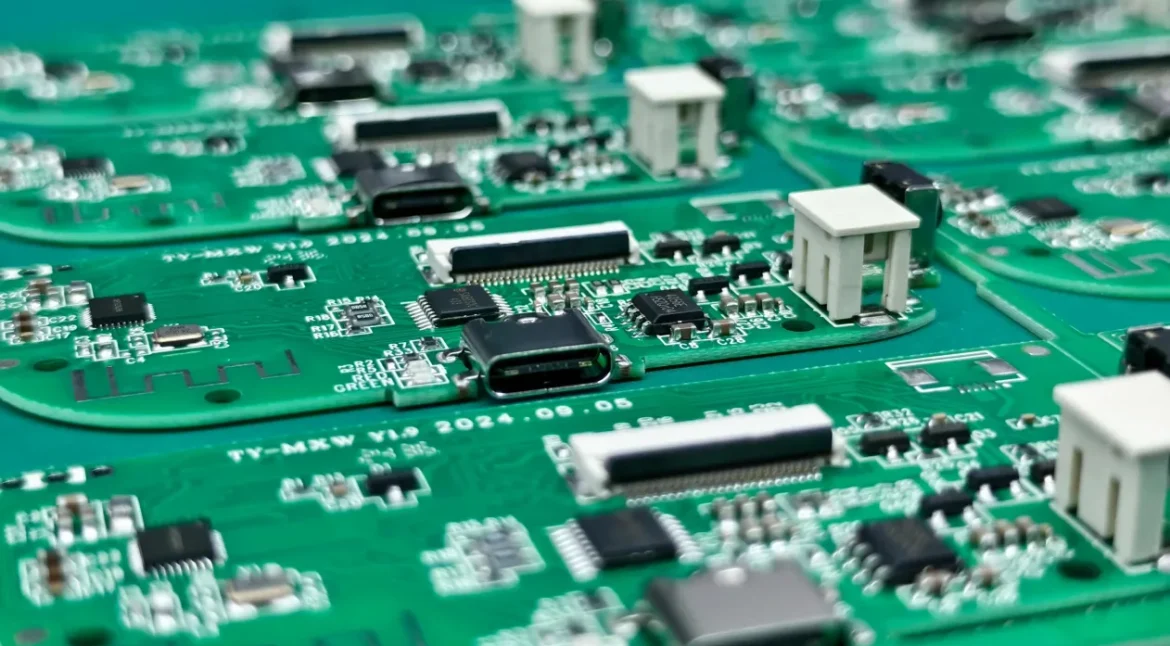
Remote Control PCB Design: Antenna, Power and Input A remote control is a small radio with a keypad attached, and it lives under constraints that make it harder to design than its size suggests. It runs from a coin cell or a pair of AAA cells for a year or…
Mouse PCB Design: Sensor Interface, Buttons and Radio A computer mouse is a small product with a surprisingly dense board. It contains an optical sensor with a very high data rate, a microcontroller that polls it thousands of times a second, several switches that produce mechanical noise, a radio and…
Single Sided vs Multilayer Flexible PCB: Process Differences A single sided flexible circuit and a multilayer flexible circuit share the same materials but almost nothing about their processing. The first is essentially a patterned film with a coverlay; the second requires lamination cycles, plated through holes and layer registration, and…
Oil-Resistant PCB: Coatings for Harsh Environments Engines, hydraulic systems, and industrial machinery are hostile environments for electronics, and the threat is not only temperature. Oil, lubricant, and chemical exposure attack a board surface continuously, degrading the solder mask, creeping under components, and eventually reaching conductors. An oil-resistant PCB is built…
PCB OSP Coating Handling: A Film That Wants to Be Used Modern electronics depend on boards that are assembled correctly the first time. Every product – a phone, a charger, a medical instrument or an industrial controller – relies on thousands of solder joints that must conduct current for years.…
Rogers 3003 PCB: Properties, Applications and Design Considerations Rogers 3003 is a ceramic-filled PTFE laminate used for high-frequency and microwave circuits. It sits between standard FR-4 and the most specialised low-loss materials: more stable than FR-4 at high frequency, more processable than pure PTFE, and considerably more expensive than either.…
HASL Surface Finish: How Hot Air Solder Levelling Works HASL, or hot air solder levelling, is the most widely used PCB surface finish and the least glamorous. The board is dipped into molten solder and then passed between hot air knives that blow the excess off, leaving a thin coating…
Base Station PCB Design: Loss, Layers, and Materials Wireless infrastructure is built on boards that behave like radio equipment rather than like digital hardware. A base station PCB manages radio-frequency signals at gigahertz frequencies, keeps insertion loss to a minimum, and holds the whole radio chain stable over years of…
Automotive Control PCB: Reliability Rules for Vehicle Electronics An automotive control PCB has to work in conditions that would end the life of a consumer board. It sees ambient temperatures from well below freezing to over a hundred degrees, it is mounted on a structure that vibrates continuously, it is…