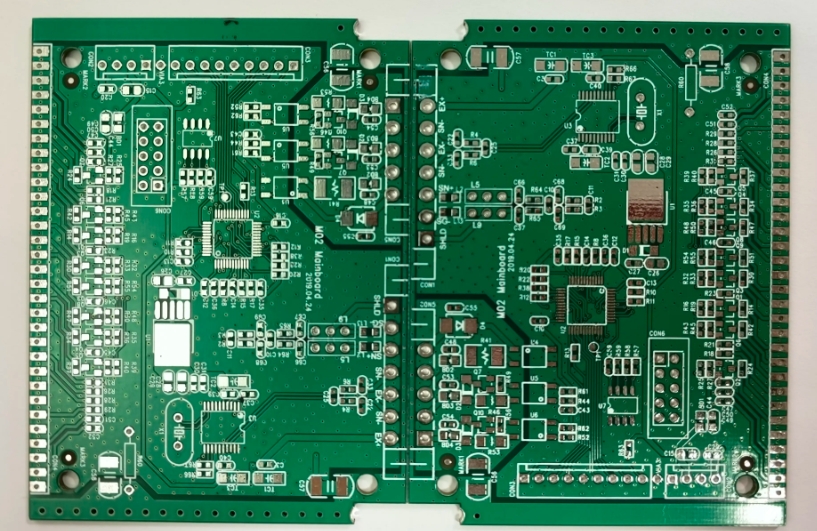
Ultra-Thin Flexible PCB: Construction and Handling Limits An ultra-thin flexible PCB solves problems that rigid boards cannot: a sensor in a moving assembly, a display folded inside a hinge, or a cable replacement that must survive millions of flex cycles. The thinner the construction, the better it bends, and the…
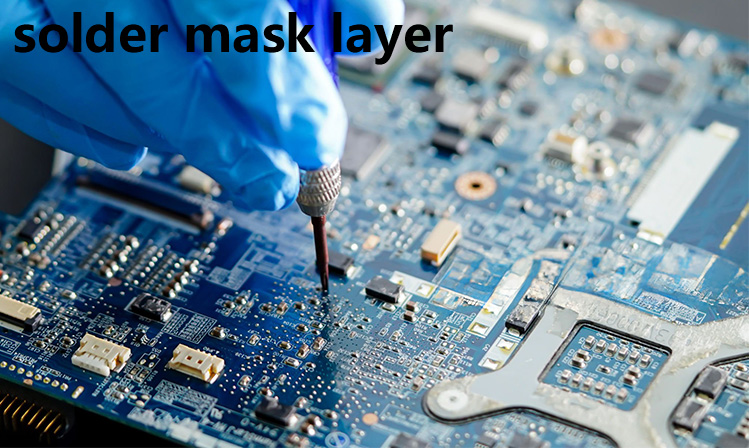
Immersion Silver PCB: Cost Factors and When to Use It Surface finish decides how well a board solders, how long it can be stored, and how much of the budget it consumes. Immersion silver sits in the middle of that range: flatter than hot air levelling, cheaper than an immersion…
Carbon Ink PCB: Conductive Printing for Switches and Contacts Copper is the default conductor on a circuit board, but it is not always the right one. Where the requirement is a contact rather than a current path, a carbon-based conductive ink can replace metal at a fraction of the cost.…
PCB Press Fit Hole Tolerance: A Hole That Grips Buyers and engineers often focus on the finished product and forget the production line behind it. In practice, most field failures can be traced back to process decisions made during assembly. Understanding PCB press fit hole tolerance gives you a practical…
Transparent PCB: Materials, Conductors and Design Rules A transparent PCB is a board you can see through. The copper, the laminate and the solder mask are all replaced or reworked so that light passes through the finished part, which turns the circuit into something that can sit behind a display,…
PCB Kelvin Connection for Sensing: Measuring at the Part, Not the Trace Buyers and engineers often focus on the finished product and forget the production line behind it. In practice, most field failures can be traced back to process decisions made during assembly. Understanding PCB kelvin connection for sensing gives…
PCB Countersink and Counterbore: Making Room for the Head Modern electronics depend on boards that are assembled correctly the first time. Every product – a phone, a charger, a medical instrument or an industrial controller – relies on thousands of solder joints that must conduct current for years. This article…
PCB Hot Swap Controller Layout: Plugging In Without a Glitch Modern electronics depend on boards that are assembled correctly the first time. Every product – a phone, a charger, a medical instrument or an industrial controller – relies on thousands of solder joints that must conduct current for years. This…
PCB Power Sequencing Order: Who Comes Up First Buyers and engineers often focus on the finished product and forget the production line behind it. In practice, most field failures can be traced back to process decisions made during assembly. Understanding PCB power sequencing order gives you a practical advantage when…
Flex PCB Coverlay: Material Choices and Cost Drivers A flex PCB coverlay is the protective layer bonded over the copper on a flexible circuit. It does the job that solder mask does on a rigid board, but it must also bend, and that single requirement changes the material, the process…