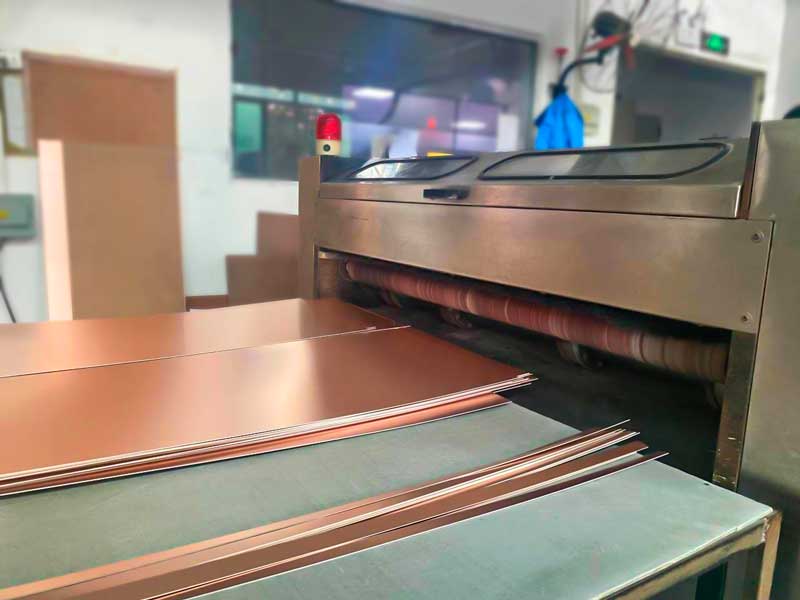
Single-Sided PCB Design and Double-Sided Boards: Structures and Uses Not every product needs eight layers. A large share of electronics, from power supplies and relays to LED drivers and simple instruments, is built on one or two copper layers, and those boards are successful because the design was matched to…
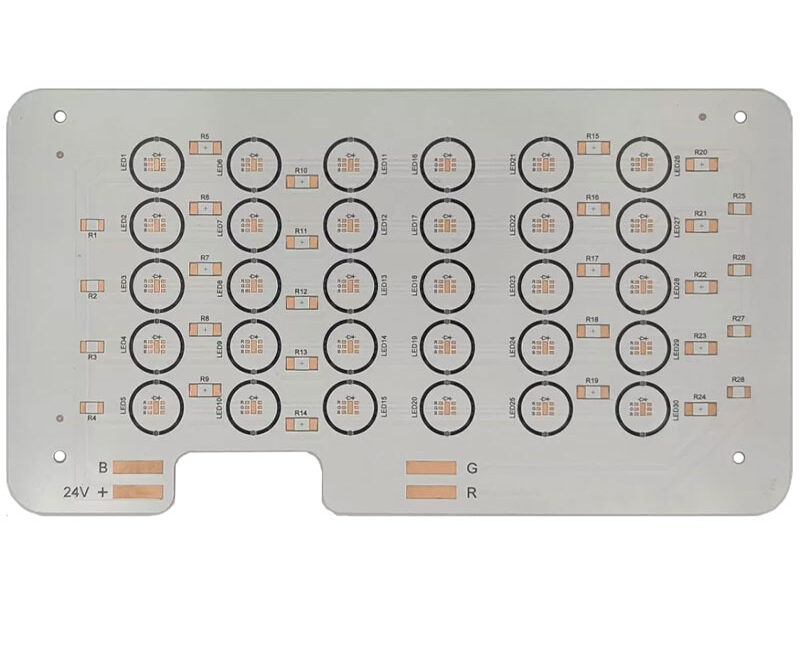
Common Impedance Coupling: Grounding Techniques That Suppress It Ground is supposed to be the quiet reference that every signal is measured against. In practice it is a conductor with resistance and inductance, and when two circuits share a portion of it, the current from one appears as a voltage in…
Tapping Test and Drop Test in Electronics Production Between final assembly and electrical test, a manufacturing line usually has one or two mechanical screening stations that look crude compared with the rest of the process. A product is tapped with a rubber ball on a stick, or dropped onto a…
Interference Suppression in Digital Circuit and Microcontroller PCB Design Interference problems are much cheaper to prevent than to cure. A board that is laid out without considering them will usually still work, and then fail intermittently in the field, which is the most expensive kind of failure to diagnose. The…
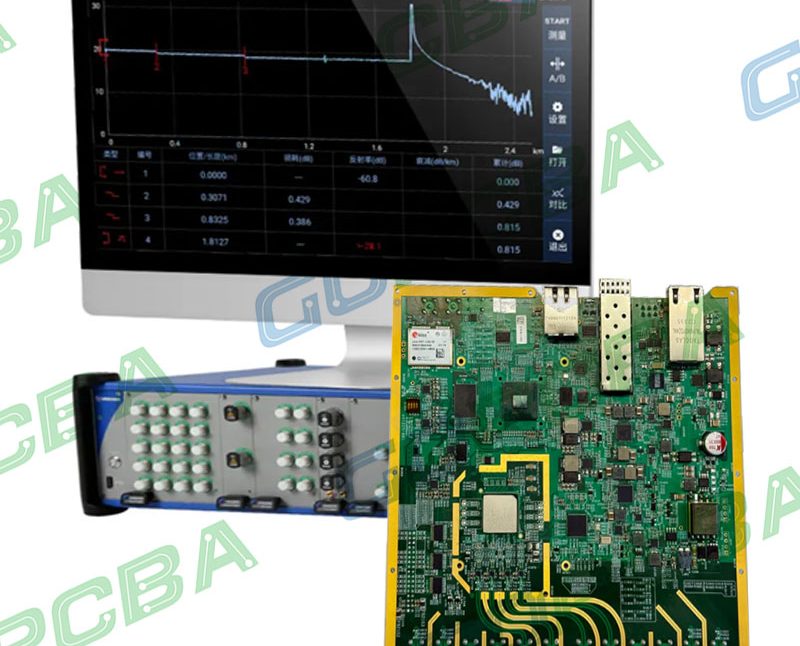
PCB Time Domain Reflectometry Testing: Timing the Reflection Buyers and engineers often focus on the finished product and forget the production line behind it. In practice, most field failures can be traced back to process decisions made during assembly. Understanding PCB time domain reflectometry testing gives you a practical advantage…
PCB Acoustic Microscopy for BGA: Seeing Inside the Package Electronics manufacturing has become a discipline of small details. Solder paste volumes, placement accuracy, temperature profiles and inspection limits all add up to the final result. This guide looks at PCB acoustic microscopy for BGA from the perspective of a PCBA…
Multilayer PCB Prototyping: Inner Layer, Lamination and Drilling A prototype build is where a design stops being a schematic and becomes an object that can be measured. The purpose of the first panels is to prove the stackup, the registration and the finish, not only the netlist, and that makes…
Micro Assembly Technology for Small Batch SMT Micro assembly is the practice of placing bare die and very small components onto a high-density interconnect substrate and sealing the result into a single package. It is the technology behind multi-chip modules, sensor packages and the compact radio and power modules that…
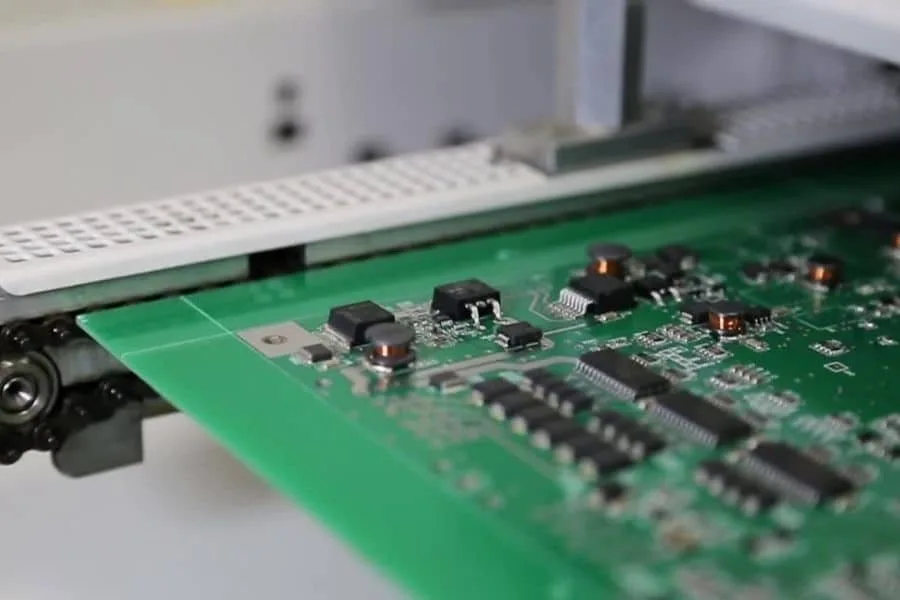
PCB Electrical Test: Coverage and the Cost of Missing It Every board that leaves a fabricator is tested for continuity and isolation, and the test is treated as a formality by most designers. It is not. The cost of a defect depends enormously on where it is found, and the…
Eight Layer Board Fabrication: Process Step by Step An eight layer board is built from the same materials as a two-sided board and passes through many of the same operations, but the sequence is longer and the tolerances are tighter. The additional steps are what allow the layer count, and…