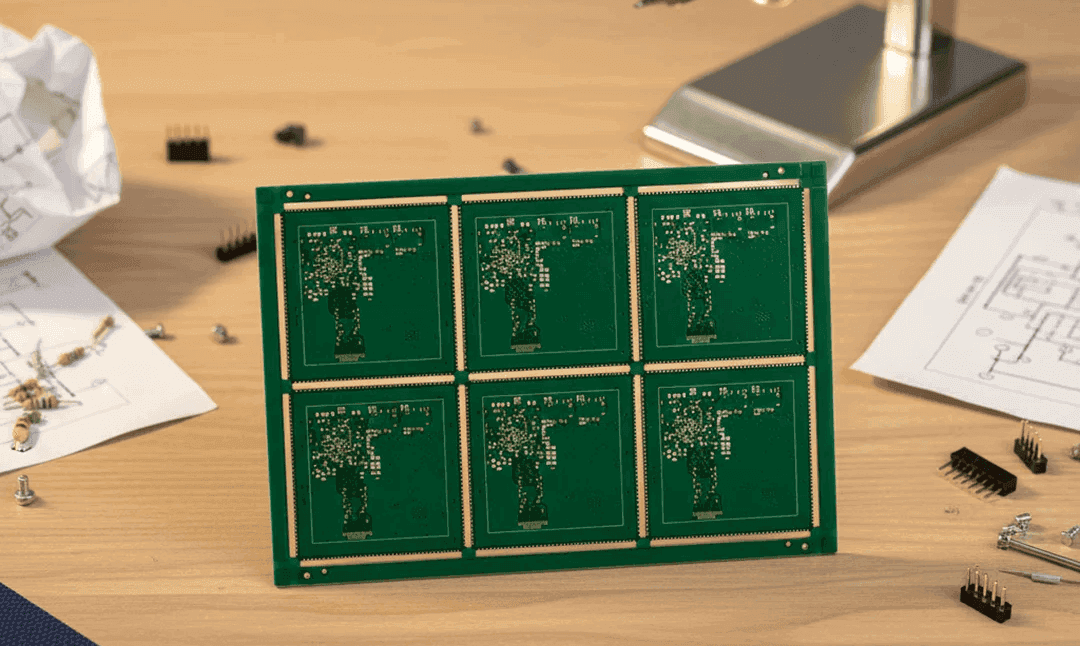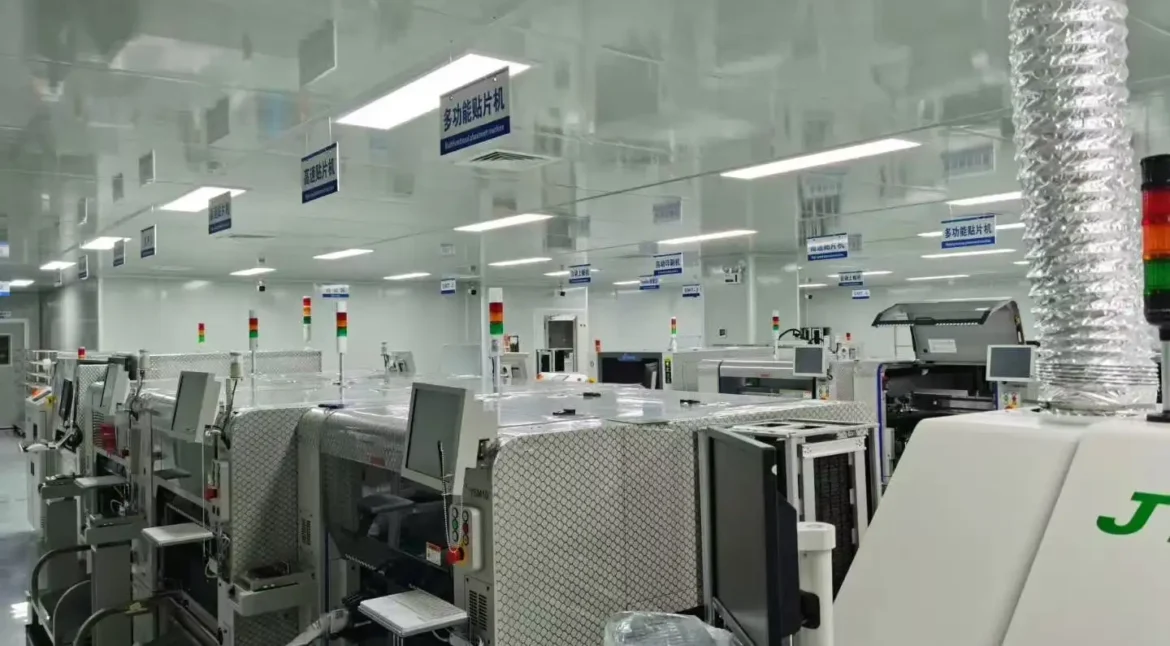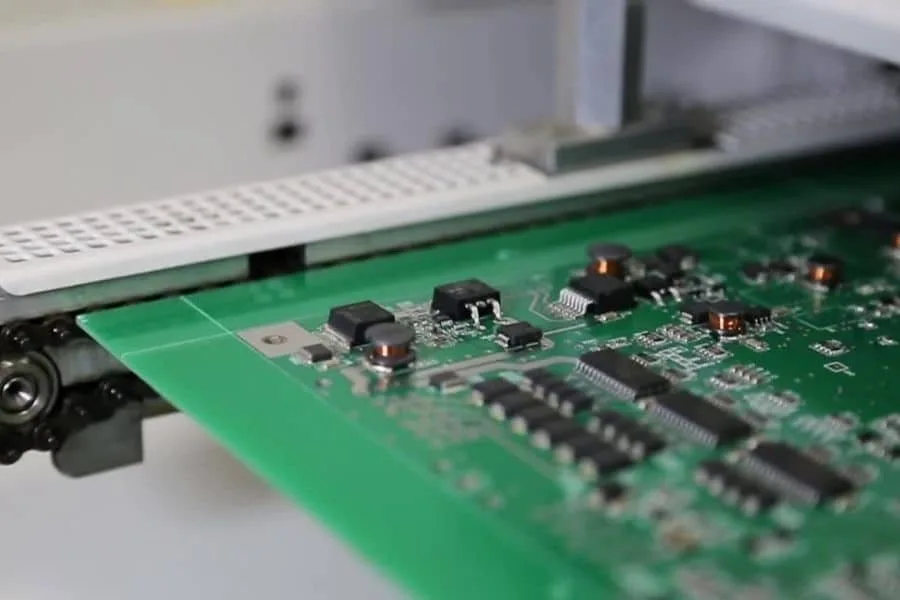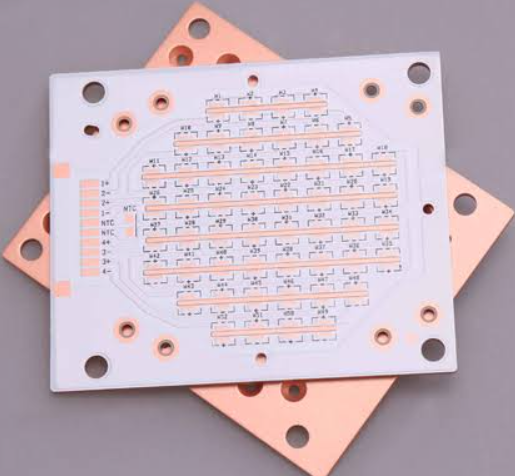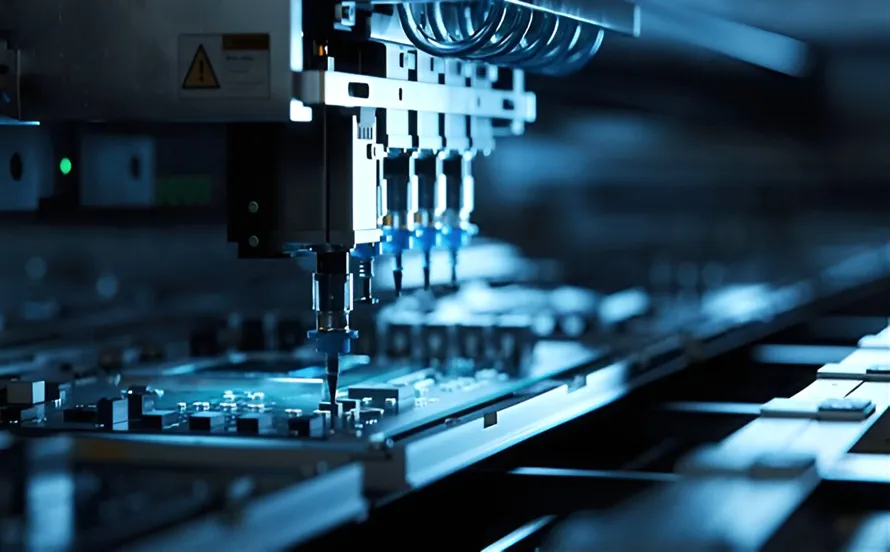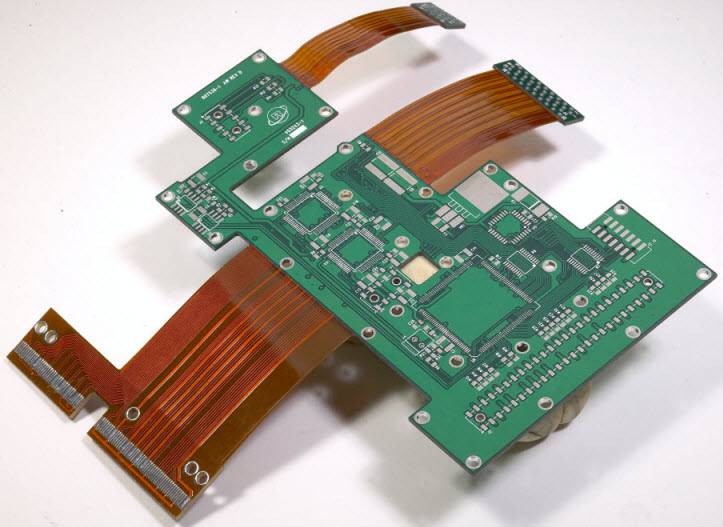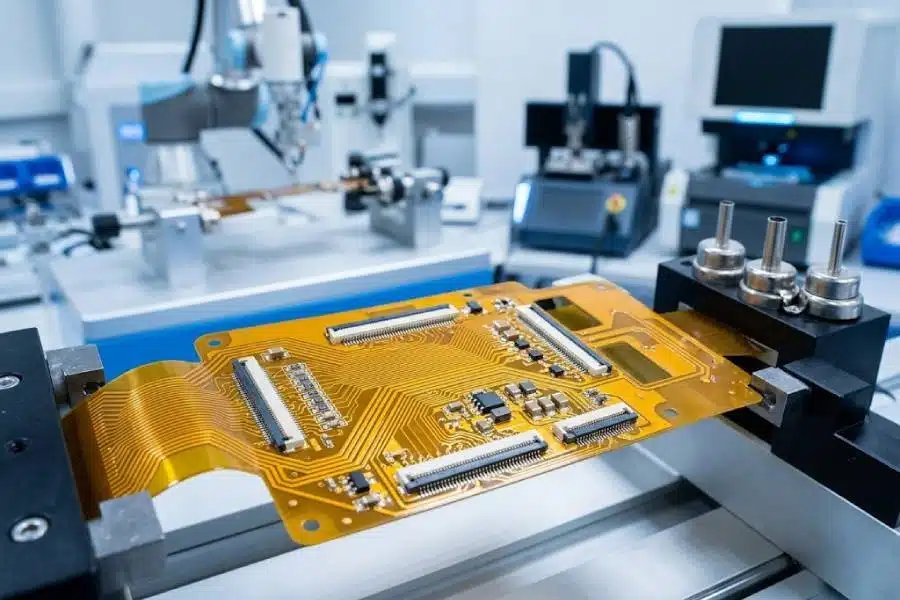
PCB Dye and Pry Inspection: Prying It Open Electronics manufacturing has become a discipline of small details. Solder paste volumes, placement accuracy, temperature profiles and inspection limits all add up to the final result. This guide looks at PCB dye and pry inspection from the perspective of a PCBA factory…
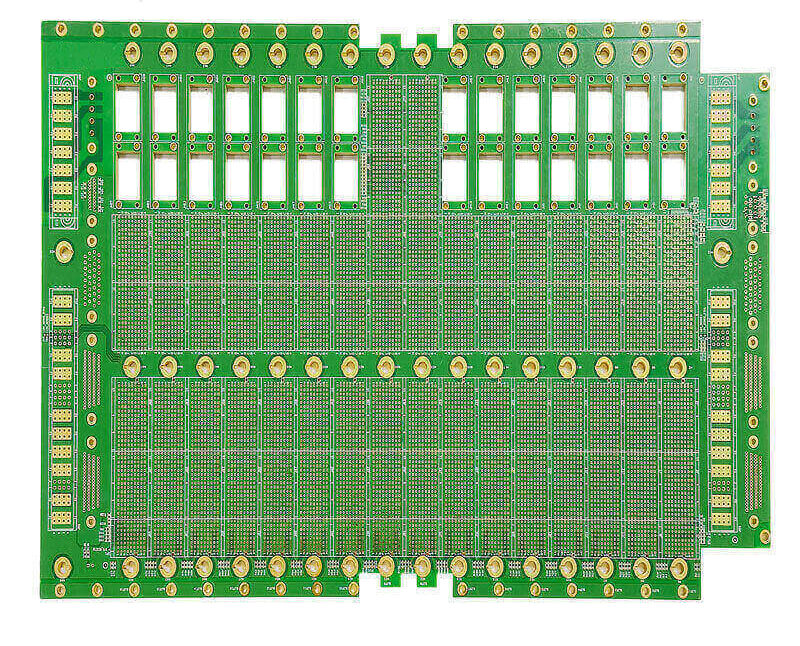
Flexible PCB Design and Layout Cost Drivers Flexible circuits are chosen for reasons that rigid boards cannot satisfy: they bend, they fold into three dimensions, and they save the weight and volume of a connector and a cable. Those advantages come with a cost structure that behaves differently from a…
Flexible Circuit Design for Dome Switch Keypads A dome switch is a simple device: a formed metal dome that collapses onto a contact when pressed, giving both an electrical connection and a tactile response. Mounting a row of them on a flexible circuit is equally common, because the flex can…
High-Frequency Microwave PCB Manufacturing: Materials and Tolerances Boards that carry radar front ends, satellite links or millimetre-wave radios are built on a different set of materials and a different set of tolerances from ordinary digital boards. A high-frequency microwave PCB is not simply a fine-line board with a faster clock;…
Even Layer Count in PCB Stackups: Why Boards Avoid Odd Layers Ask a fabricator why almost every multilayer board has an even number of layers and the honest answer is that odd ones are possible but rarely worth the trouble. The even layer count is not a rule of physics;…
PCB Ball Shear Testing: Pushing the Sphere Electronics manufacturing has become a discipline of small details. Solder paste volumes, placement accuracy, temperature profiles and inspection limits all add up to the final result. This guide looks at PCB ball shear testing from the perspective of a PCBA factory floor, covering…
PCB Via Pull Strength Testing: Pulling on the Barrel Buyers and engineers often focus on the finished product and forget the production line behind it. In practice, most field failures can be traced back to process decisions made during assembly. Understanding PCB via pull strength testing gives you a practical…
RF Board Layout: Partitioning to Reduce Signal Coupling Radio boards are usually described as difficult, and most of the difficulty comes from signal coupling rather than from the active circuitry. A receiver that works on the bench can lose sensitivity once the transmitter beside it starts switching, not because any…
Special Processes in PCB Prototyping: Impedance, HDI and Hard Gold Most prototype boards are built with a standard process: drilled, plated, etched and finished. Some designs need more. Impedance-controlled nets, laser-drilled microvias, heavy copper layers and selective finishes all sit outside the basic flow, and each one changes what the…
Component Tolerance and Reliability: Designing Away Overdrive Every board that leaves a design review carries some probability of being unreliable. The question is how large that probability is and whether it was measured or assumed. Engineers often design at the edge of a component rating and then rely on the…