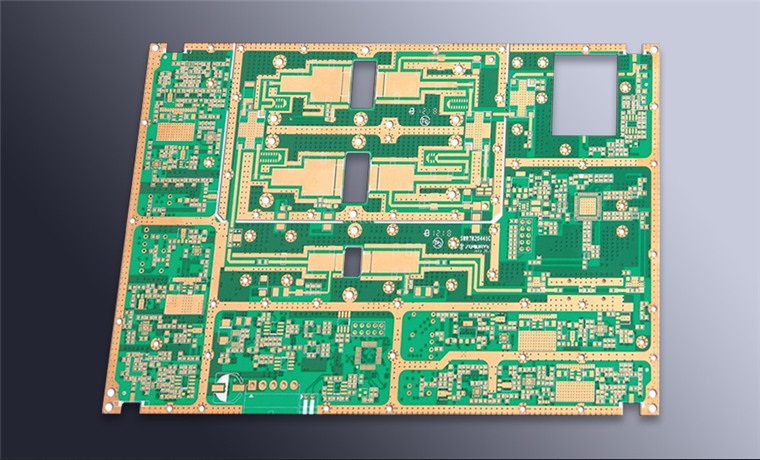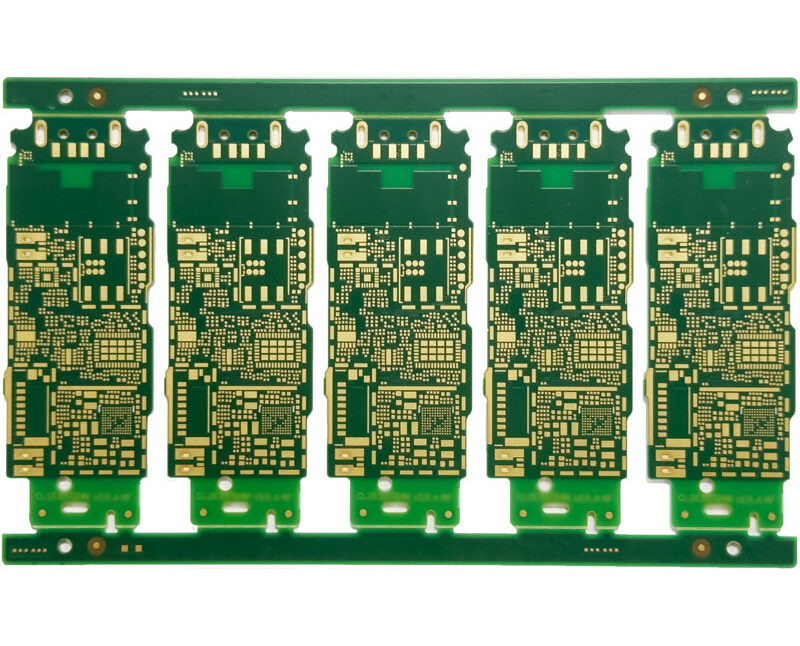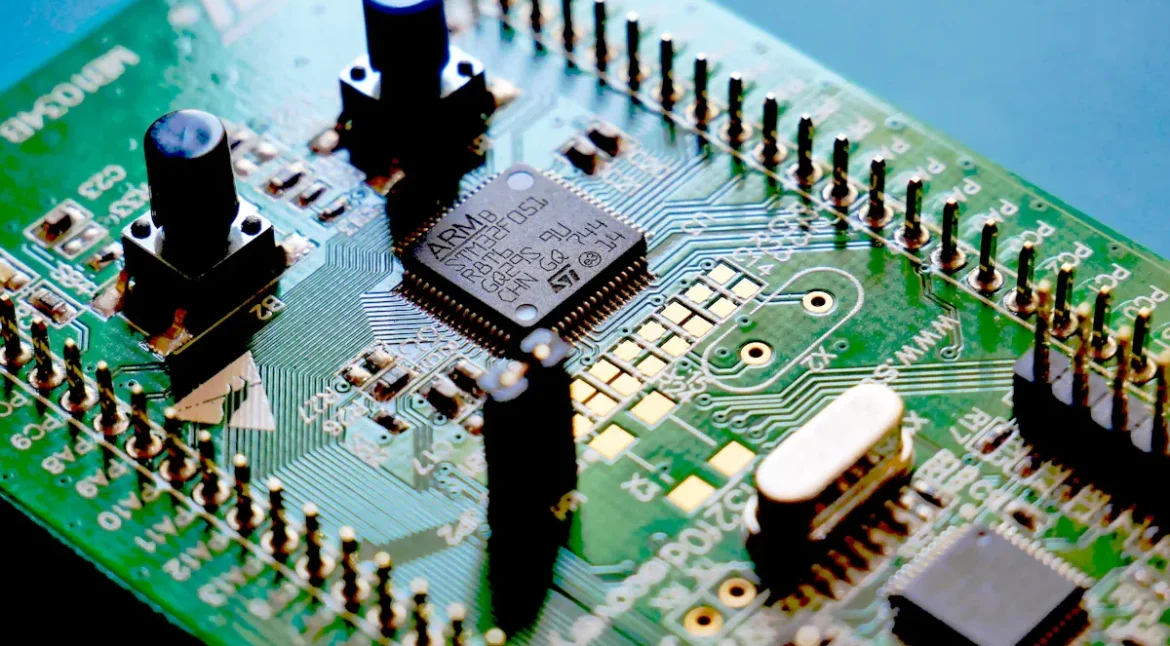
Automotive Electronics PCB Design: Requirements That Shape Layout Having built vehicle boards before is not a qualification on its own. Automotive programs differ from industrial work in the load cases they impose, the documentation they demand and the consequences of a field failure, and a supplier that answers every question…
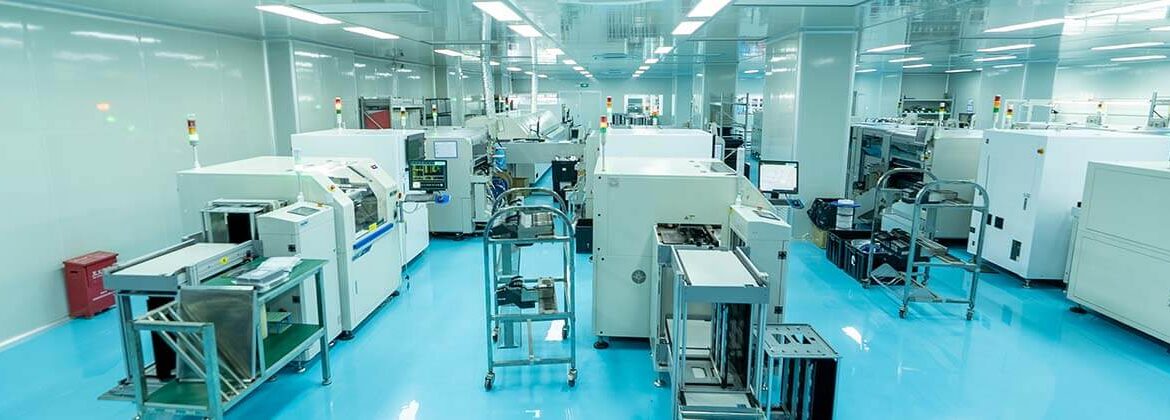
High Layer Count PCB Fabrication: What Changes Above 8 Layers Quoting a board by layer count and area works for a four-layer design and fails badly above eight layers. At that point the price and the lead time are decided by the stackup, the material, the hole structure, the copper…
Hardware Solution Development: From Product Definition to Build Most teams that go looking for hardware solution development help do not actually need a schematic drawn. They need a product turned into something that can be built: requirements translated into an architecture, parts selected and sourced, a board that behaves as…
SMT Assembly for Pilot Builds: Getting the First Batch Right A pilot build is not a small production run. It is a test of the whole data chain: whether the bill of materials is complete, whether the footprints match the parts that arrived, whether the assembly program corresponds to the…
Medical Electronics PCB Design Outsourcing: What Buyers Verify Medical electronics projects are judged on evidence. A board that works is not enough; the team has to be able to show how the design was reviewed, which rules were applied, what changed between revisions, and who approved each change. That is…
Expedited PCB Design: How a Three-Day Layout Schedule Works Product dates do not move because the layout is behind. Marketing has already announced the launch, the enclosure tooling has been ordered, and the firmware team is waiting for hardware. When the schedule compresses, the board design is the task that…
Small Batch PCB Fabrication: What One Piece Actually Costs Research teams rarely need a thousand boards. They need five, or twenty, or fifty for a pilot run, and they need them before the next design review. The problem is that most of the fabrication market is organised around volume, and…
One-Stop PCBA Manufacturing: What Turnkey Service Really Covers Splitting a product across three suppliers looks cheap on paper. Fabrication goes to the board shop, assembly goes to a contract manufacturer, and components are bought wherever the price is lowest that week. The quotation is lower, the schedule looks acceptable, and…
PCB Flip Chip Underfill: Filling in Under the Die Modern electronics depend on boards that are assembled correctly the first time. Every product – a phone, a charger, a medical instrument or an industrial controller – relies on thousands of solder joints that must conduct current for years. This article…
PCB Chip on Board Assembly: Placing the Die Straight on the Board Electronics manufacturing has become a discipline of small details. Solder paste volumes, placement accuracy, temperature profiles and inspection limits all add up to the final result. This guide looks at PCB chip on board assembly from the perspective…