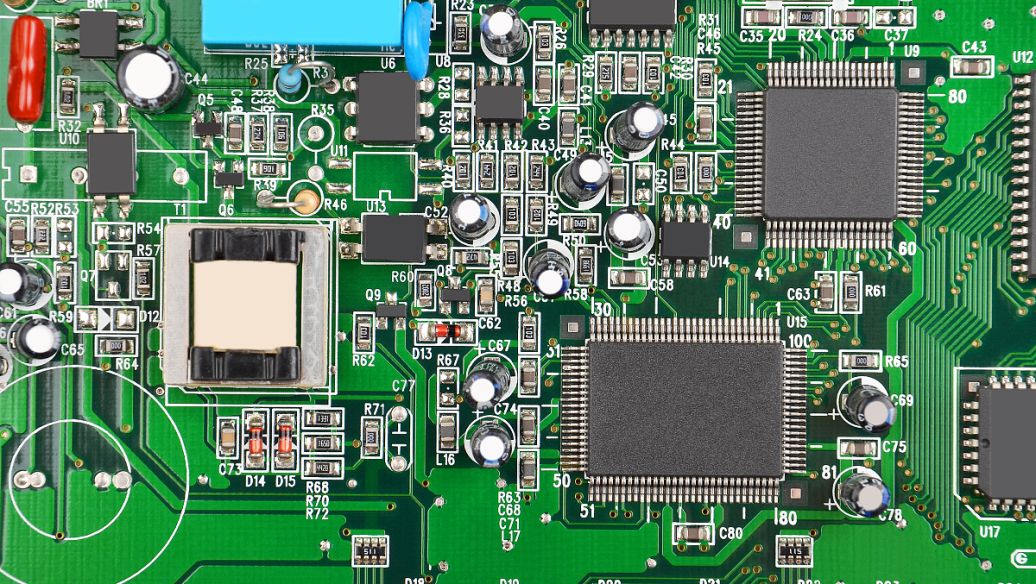
Decoupling Capacitor Layout and PCB Design Rules Decoupling capacitor layout and routing is not simply placing capacitors close to power pins. It is a systematic PCB design task that must strictly follow physical and electrical hierarchy relationships. Its core goal is to maintain the impedance at the IC power pins…
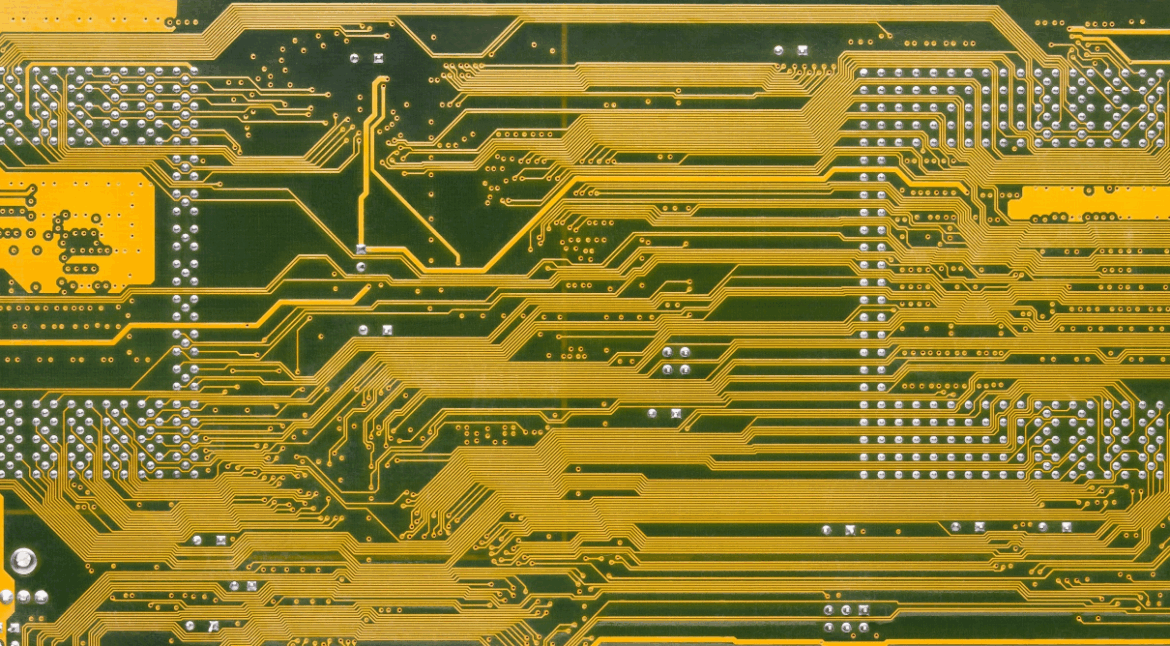
PCB Trace Spacing: Design Rules for Reliable Boards In PCB design,PCB trace spacing (also called conductor spacing or trace clearance) is critical. It directly affects circuit reliability, signal integrity, manufacturing yield, and safety. Below are the key considerations and recommendations for setting trace spacing. Core Influencing Factors Electrical Safety (Insulation…
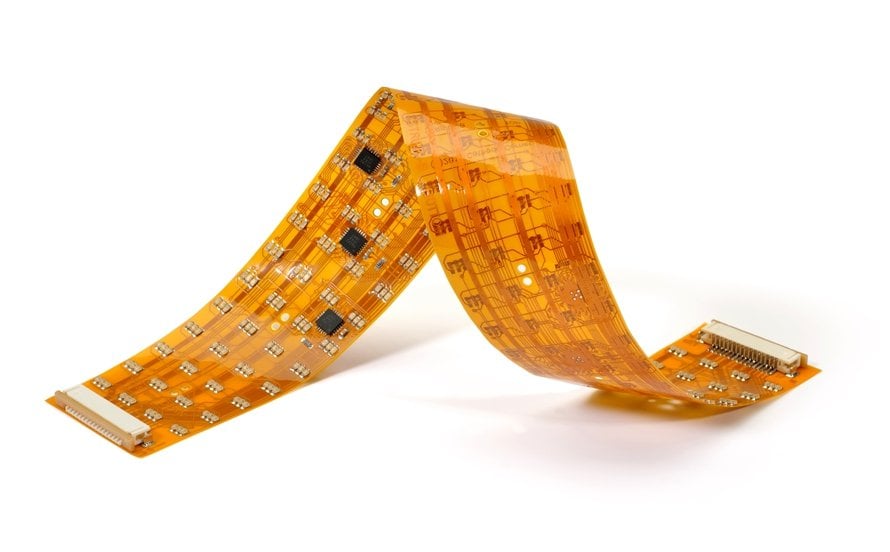
Flexible PCB Core Logic: Materials to Processes In thin and light devices such as folding screen phones, smartwatches, and Bluetooth earphones, there is another kind of black technology hidden inside: FPC circuit boards, also known as flexible printed circuit boards. They can bend, fold, and twist, as soft as plastic…
Industrial Control PCB Layout: An Outsourcing Review Checklist Industrial control boards are not difficult only because they have many layers. The workload is driven by device density, the number of power domains, the number and type of interfaces, signal speed, mechanical space, isolation requirements, thermal management and the environment the…
Small Batch SMT Assembly: Why Changeover Time Sets the Schedule R&D teams comparing small batch SMT assembly suppliers usually compare price per placement. The number that actually decides whether the batch arrives on time is changeover time: how long the line takes to stop making one product and start making…
Electronic Product Development Partners: Three Models Compared Choosing an electronic product development partner looks like a procurement decision and behaves like an engineering one. The candidates may all be able to draw a schematic, and the difference only becomes visible once the requirements are unclear, the first prototype misbehaves, or…
Multilayer PCB Prototyping: What to Verify Before You Order A prototype is supposed to answer questions. Too often it answers the wrong one, because the board was ordered before the stackup, the finish or the drill structure was confirmed, and the result is a build that cannot distinguish a design…
Industrial Multilayer PCB Fabrication for Small Production Runs Industrial control products are usually built in modest quantities and expected to work for a decade. That combination puts unusual pressure on fabrication: the volume is too low to justify a dedicated program, and the reliability expectation is closer to automotive than…
BOM Kitting and Component Sourcing: The Version Control Trap Most assembly problems that are blamed on the factory start in the bill of materials. A part number that exists in two variants, a footprint that matches the first variant and not the second, an approved alternate that was never written…
Low to Medium Volume PCBA: What the Quotation Should Include R&D teams rarely move from a prototype straight into high volume. The next step is usually a pilot batch: enough units to run a real test, satisfy an early customer, or support a certification submission, and not enough to justify…