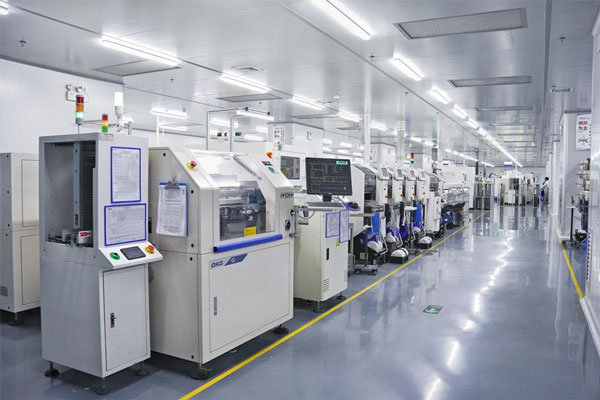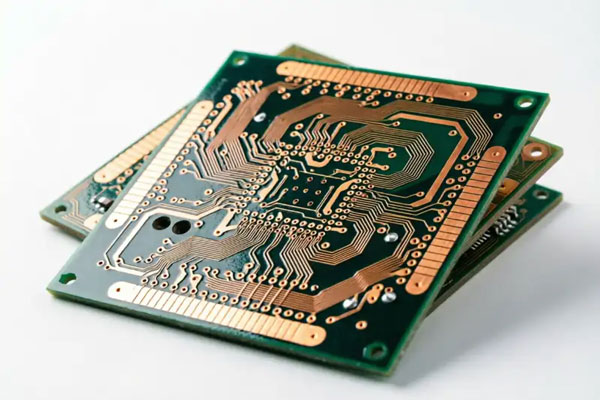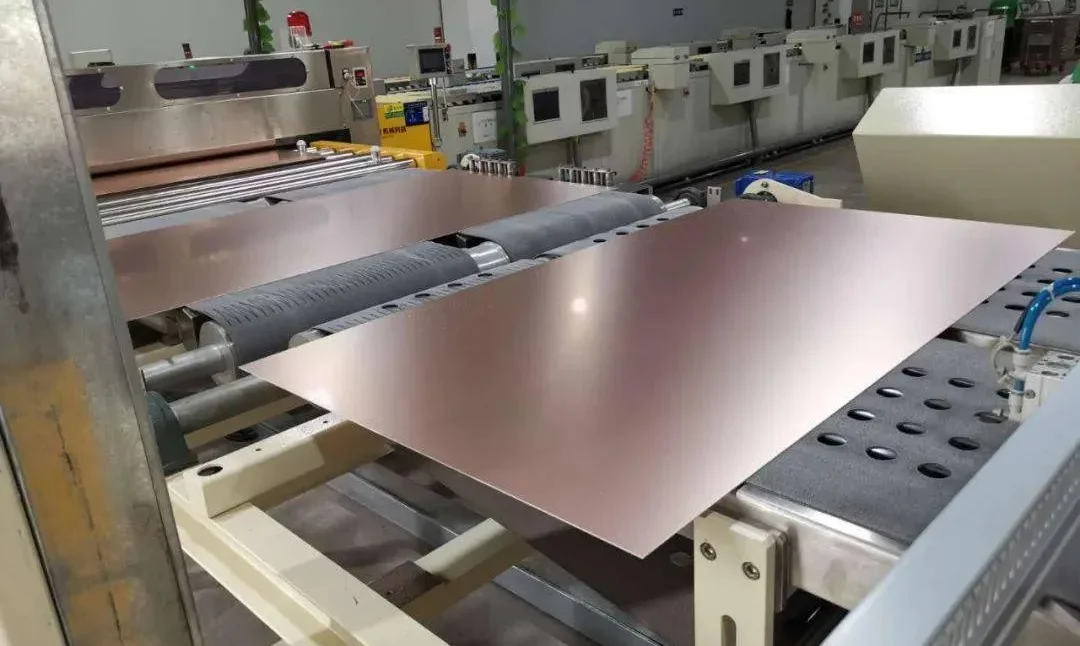
Small Batch PCB Assembly: Cost, Process and Trade-offs Small batch assembly is a different business from volume assembly, and the difference is not just the quantity. At a few hundred boards the price is dominated by setup, the components are the hardest part of the job, and the process that…
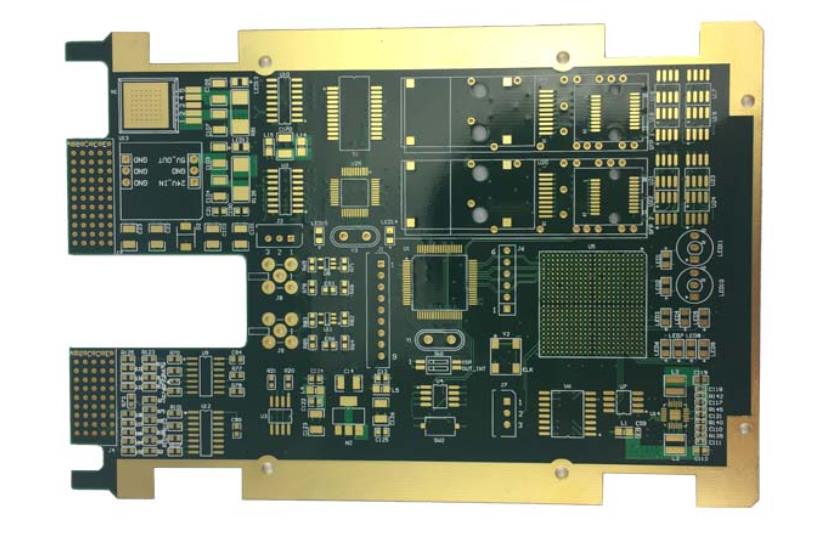
In-Circuit Test: Test Points, Fixtures and Limits In-circuit test is the workhorse of assembled board testing. It checks the board as a collection of components and connections rather than as a working product, which means it can find a wrong value or a missing part before anyone powers the design…
X-Ray Inspection of PCB Assemblies: What It Finds Once a ball grid array is reflowed, nobody can see the joints underneath it. X-ray inspection is the standard answer, and it is also one of the most misunderstood processes in electronics manufacturing, because the image shows density rather than geometry and…
Solder Mask Clearance: Rules, Dams and Vias Solder mask clearance is the gap between a pad and the edge of the mask opening around it, and it is one of the few layout parameters that is decided by the assembly process rather than by the circuit. Get it right and…
Blind and Buried Vias: Uses, Limits and Cost Blind and buried vias let a designer move a signal between layers without drilling through everything above and below it. That is worth real money on a dense board, and it is also one of the few features where a layout decision…
Copper Base PCB: When Copper Beats Aluminium A copper base board is a metal core board whose metal is copper rather than aluminium. The difference sounds minor, and in practice it changes the thermal budget of a design, the weight, the cost and what the mechanical department can do with…
PCB Volume Production Cost: What Actually Drives the Price At prototype quantity a bare board price is mostly tooling, setup and paperwork. At volume the same board is priced by what it consumes in material and machine time, and the levers that move the number change completely. This article breaks…
PCB Jitter: Sources, Measurement and Layout Fixes Jitter is the reason a link that works perfectly at room temperature on the bench fails at temperature in the field, and the board is usually blamed last even though it is often responsible. This article explains what jitter is, which parts of…
PCB Silkscreen Legend: Rules for Legible Boards The silkscreen is the last layer added to a board and the first one anybody reads. It carries the reference designators that make assembly possible, the polarity marks that stop a part being fitted backwards, and the board identifier that ties a unit…
Thermal Relief Pads: Spokes, Soldering and Current A thermal relief is a small piece of geometry that decides whether a component can be soldered at all. It is the difference between a pad that is connected to a copper plane by four narrow spokes and a pad that is welded…