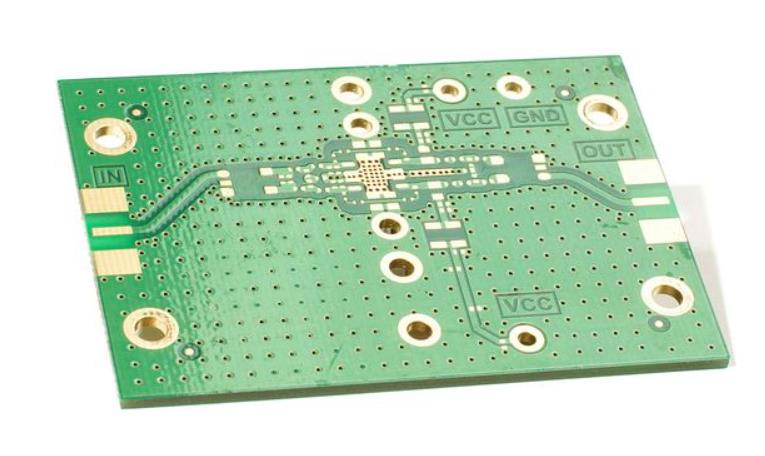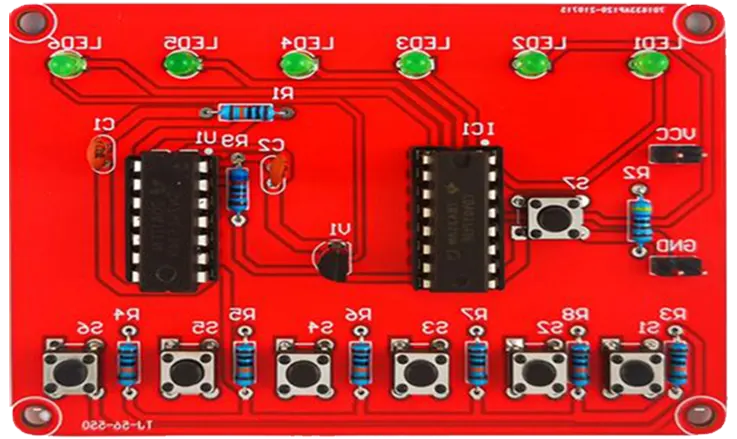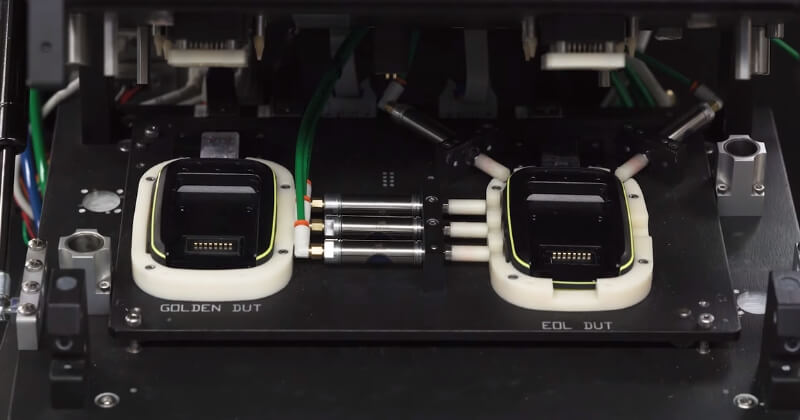
EMI Shield Cans: Design, Grounding and Assembly A shield can is the most direct way to stop a circuit from radiating or from being disturbed by a nearby one, but it only works if the board underneath is designed for it. A can placed on a footprint with no ground…
PCB Teardrops: Why They Matter and How to Size Them A teardrop is a small addition to a design that costs nothing to make and prevents a whole class of field failures. It is the fillet of copper added where a trace enters a pad or a via, and it…
Copper Thieving for Even Plating and Etching Copper thieving is one of those features that appears on a finished board without anyone asking for it, and it is usually the difference between a panel that plates evenly and a panel whose traces vary from one edge to the other. This…
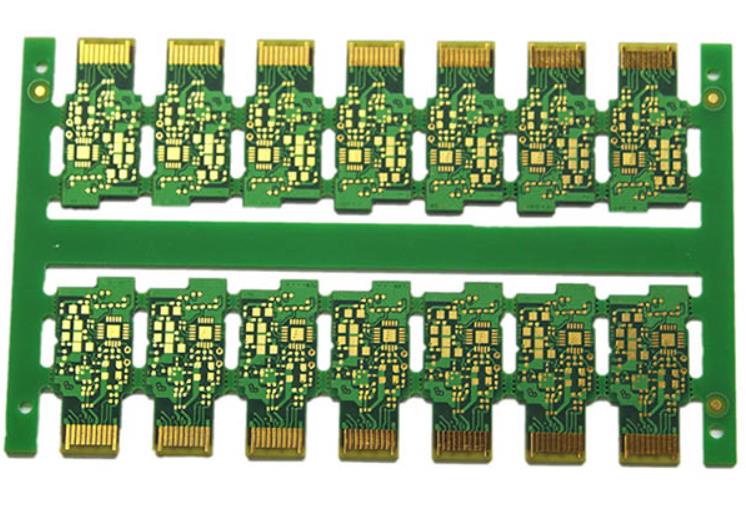
Castellated Holes: Edge Plating for Modules and SMT A castellated hole is the feature that lets a small circuit board be soldered onto a larger one as if it were a component. It appears on wireless modules, sensor boards, power converters and LED drivers, and it is the reason those…
White Solder Mask: Reflectance, Process and Trade-offs Why White Solder mask is usually chosen for what it protects rather than for what it looks like, but on some products the colour is functional. A white mask reflects light instead of absorbing it, and on a board carrying LEDs that has…
Silver Plating PCB: Immersion Silver and Its Trade-offs Where Silver Sits Among the Finishes Immersion silver is one of the flat finishes, alongside ENIG, immersion tin and OSP. It is applied by a displacement reaction, depositing a thin layer of silver, typically of the order of 0.1 to 0.3 microns,…
Single Sided PCB Quick Turn: Design Rules and Lead Time A Simple Board With a Fast Clock A single sided board carries one layer of copper, with every component mounted on the same side. It is the oldest and simplest printed circuit construction, and it remains the fastest to produce…
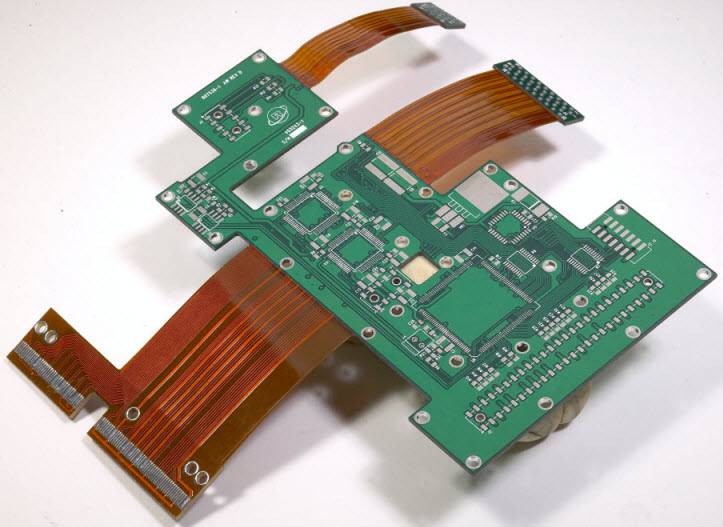
Rigid Flex Stackup Design: Layers, Bend Areas and Stiffeners Why the Stackup Is the Hard Part A rigid flex board is a single assembly that contains rigid sections carrying the components and flexible sections that fold to connect them. It replaces cables and connectors with a continuous piece of circuitry,…
Any Layer HDI: Every Layer Interconnected by Microvia What Makes It Different From Ordinary HDI Conventional high density interconnect construction puts microvias on the outer layers, connecting the surface to the first inner layer or the first two. The core of the board is built with ordinary through vias, mechanically…
Immersion Tin vs ENIG: Choosing a PCB Surface Finish Why the Finish Is a Design Decision The surface finish is the interface between the board and everything that happens to it afterwards: the solderability of the pads, the shelf life before assembly, the reliability of the joints, and on some…