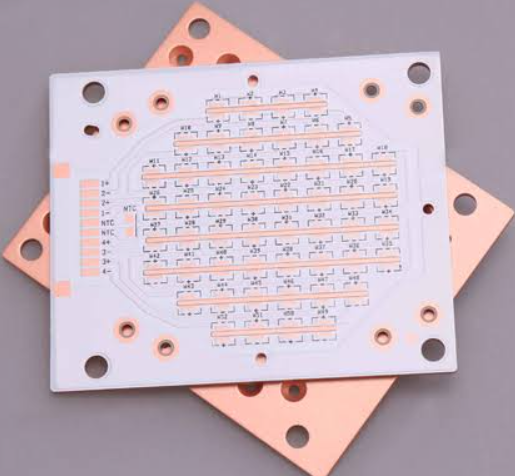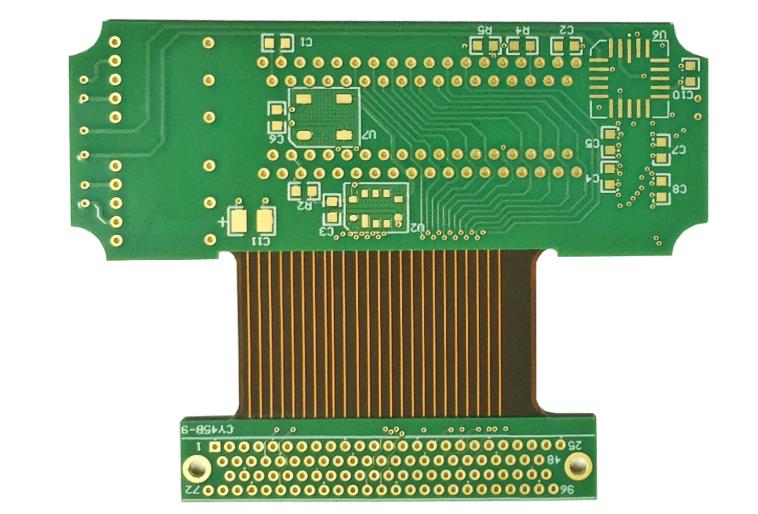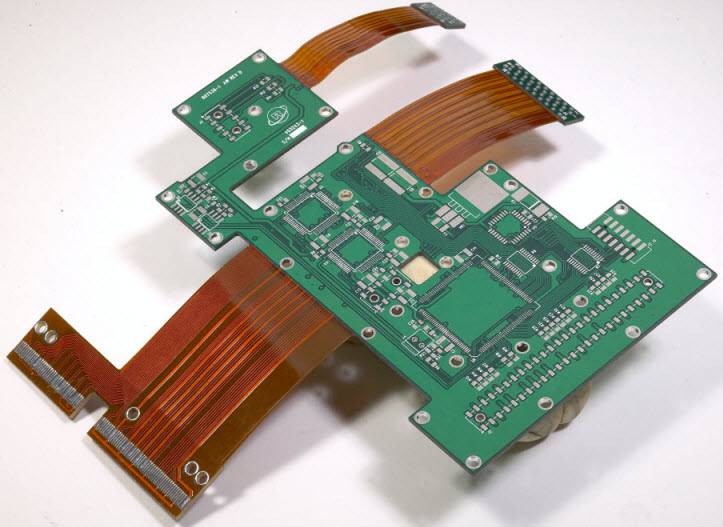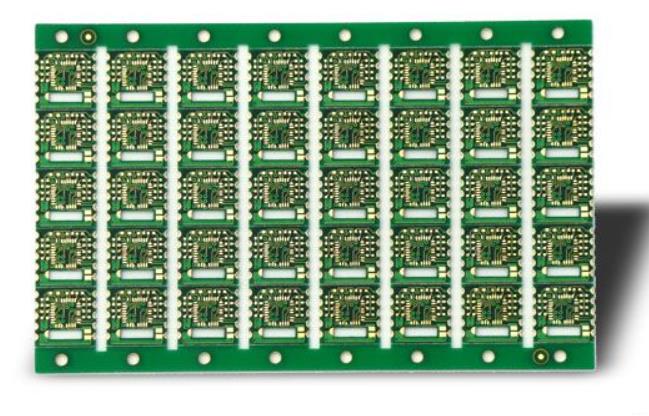
Copper Weight: Choosing the Right Thickness What Copper Weight Means Copper weight is the thickness of the copper foil on a layer, expressed as the weight of one square foot of the foil. One ounce per square foot is about 35 micrometres, half an ounce about 18 micrometres, and two…
PCB Dielectric Loss Measurement: Measuring the Signal Lost Buyers and engineers often focus on the finished product and forget the production line behind it. In practice, most field failures can be traced back to process decisions made during assembly. Understanding PCB dielectric loss measurement gives you a practical advantage when…
Building a Drill Table for Fabrication Why a Drill Table Exists The drill table is the summary of every hole in the design, grouped by size and by function, and it is the document the fabricator uses to set up the drilling programme. Without it, the shop derives the hole…
Annular Ring: How Much Is Enough What the Ring Carries The annular ring is the copper that surrounds a drilled hole on each layer where the barrel connects to a pad. It has two jobs: it provides the surface area that the plating bonds to and it carries the current…
SMT Reflow Solder Joint Aging: How the Joint Changes Over Time Buyers and engineers often focus on the finished product and forget the production line behind it. In practice, most field failures can be traced back to process decisions made during assembly. The same discipline applies to SMT Reflow Solder…
Thermal Reliefs in Pads and Planes What a Thermal Relief Does A thermal relief is a pad connection that is deliberately narrowed, usually to four spokes, so that a pad connected to a large copper plane does not conduct heat away too quickly. The plane is an excellent heat spreader,…
PCB Solder Mask Surface Energy: How the Mask Repels Liquid Buyers and engineers often focus on the finished product and forget the production line behind it. In practice, most field failures can be traced back to process decisions made during assembly. Understanding PCB solder mask surface energy gives you a…
Common SMT Defects and Their Root Causes A Framework Rather Than a List Defects in surface mount assembly are usually grouped by appearance, but the useful grouping is by process step. Every joint passes through printing, placement, reflow and cooling, and a defect that appears at the end was created…
Plated Hole Size Tolerance and Drill Selection Drill Size Versus Finished Hole The drill that makes a hole and the hole that a component sees are not the same dimension. Plating adds copper to the wall of every plated hole, so the finished diameter is smaller than the drilled diameter…
SMT Component Tape Pitch: The Spacing in the Tape Electronics manufacturing has become a discipline of small details. Solder paste volumes, placement accuracy, temperature profiles and inspection limits all add up to the final result. This guide looks at SMT component tape pitch from the perspective of a PCBA factory…