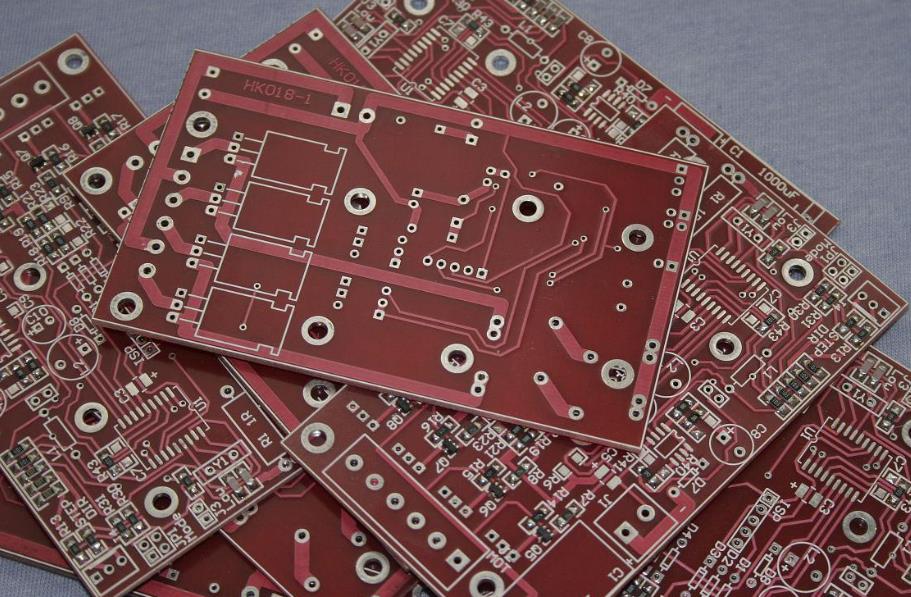
PCB Panelisation: Tabs, Rails and Utilisation Why Boards Are Panelised A bare board is processed individually only in the smallest shops. Everywhere else the design is stepped into a panel so that a standard size sheet can carry many boards through imaging, plating, lamination, assembly and test on the same…
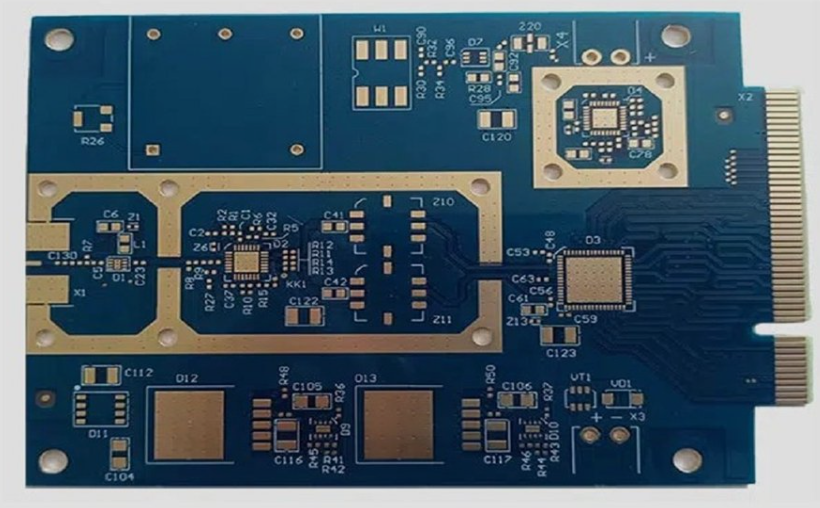
PCB Dielectric Material Selection: Choosing the Layer Between Modern electronics depend on boards that are assembled correctly the first time. Every product – a phone, a charger, a medical instrument or an industrial controller – relies on thousands of solder joints that must conduct current for years. This article explains…
Backdrilling: Controlling Via Stubs The Stub Problem A through via connects the layers it is meant to connect, but it also continues to the opposite side of the board as an unused length of plated barrel. That unused length is the stub, and electrically it behaves as an open-ended transmission…
Stepped Cavities and Depth Control in PCB What a Stepped Cavity Is A stepped cavity is a recess milled into a board so that one area is thinner than the rest, without cutting all the way through. The result is a shelf at a controlled depth, used to sink a…
SMT Reflow Solder Joint Crack: A Break in the Solder Electronics manufacturing has become a discipline of small details. Solder paste volumes, placement accuracy, temperature profiles and inspection limits all add up to the final result. This guide looks at SMT reflow solder joint crack from the perspective of a…
Press-Fit Connector Holes: Design Rules What Press-Fit Does A press-fit connector is inserted into plated holes without solder. The pin is slightly larger than the hole, and when it is pushed in, the elastic and plastic deformation of the pin and the barrel creates a gas-tight metal-to-metal contact that carries…
PCB Solder Mask Resolution: The Detail in the Mask Electronics manufacturing has become a discipline of small details. Solder paste volumes, placement accuracy, temperature profiles and inspection limits all add up to the final result. This guide looks at PCB solder mask resolution from the perspective of a PCBA factory…
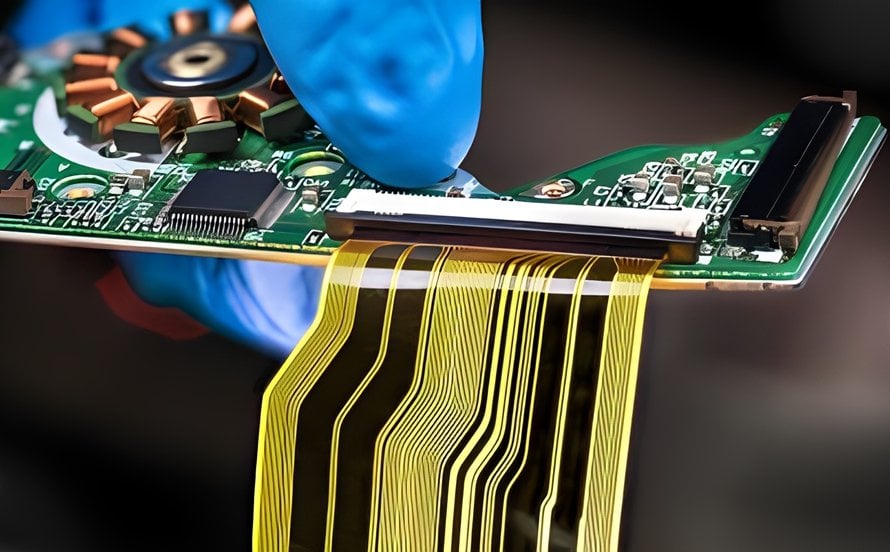
Copper Foil Types for Flexible Circuits Why Foil Type Matters Inside a Flex A flexible circuit bends, and the copper inside it has to survive thousands of cycles without cracking. That requirement puts the mechanical structure of the copper at the centre of the design, and the two foils in…
Blind, Buried and Through Vias Compared Three Ways to Cross a Stack A via exists to connect two layers, and the three types differ in which layers they reach. A through via passes through the entire board and is visible on both outer surfaces. A blind via starts on an…
SMT Component Misalignment: When the Part Sits Crooked Buyers and engineers often focus on the finished product and forget the production line behind it. In practice, most field failures can be traced back to process decisions made during assembly. Understanding SMT component misalignment gives you a practical advantage when you…