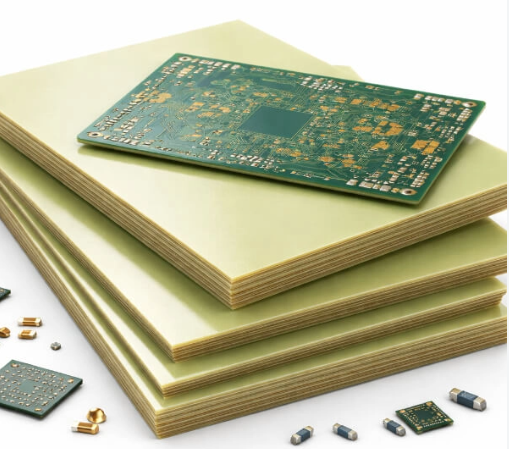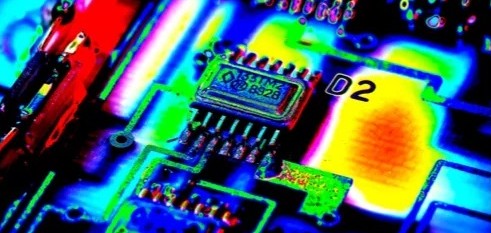
PCB Laminate Outgassing: Gas From Inside the Board Electronics manufacturing has become a discipline of small details. Solder paste volumes, placement accuracy, temperature profiles and inspection limits all add up to the final result. This guide looks at PCB laminate outgassing from the perspective of a PCBA factory floor, covering…
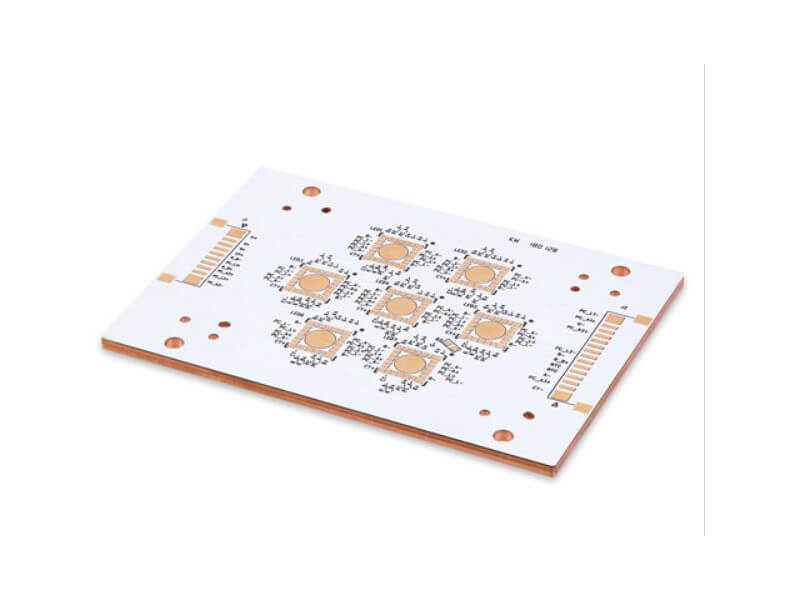
Choosing Copper Thickness for IoT PCBs: 1oz, 2oz or More? What Copper Thickness Changes Copper weight is quoted in ounces per square foot, and one ounce corresponds to roughly 35 microns of thickness. Increasing the weight changes four things at once: it lowers trace resistance, it carries more current, it…
Hard Gold vs Soft Gold PCB Plating: Which to Choose Two Gold Finishes, Two Jobs Gold is used on a PCB for one reason: it does not oxidise, so the surface stays conductive and solderable no matter how long the board sits in storage. Beyond that, the two gold finishes…
PCB Copper Trace Capacitance: The Charge in the Trace Modern electronics depend on boards that are assembled correctly the first time. Every product – a phone, a charger, a medical instrument or an industrial controller – relies on thousands of solder joints that must conduct current for years. This article…
Multilayer PCB EMC Redesign: Cost and Fixes in 2026 Why Multilayer Boards Fail EMC A multilayer board has more copper, more planes and more routing options than a two layer design, yet it still fails radiated and conducted emission tests. The reasons are usually structural rather than exotic. A ground…
SMT Reflow Thermal Profile Tuning: Getting the Curve Right Modern electronics depend on boards that are assembled correctly the first time. Every product – a phone, a charger, a medical instrument or an industrial controller – relies on thousands of solder joints that must conduct current for years. This article…
Turnkey PCB Assembly Cost: Complete 2026 Price Breakdown What Turnkey Assembly Includes Turnkey PCB assembly means one supplier takes responsibility for the whole build: sourcing the bare boards, buying the components, printing the paste, placing the parts, reflowing, inspecting, testing and shipping the finished assemblies. The customer supplies a design…
Thin Film vs Thick Film Ceramic PCB: Differences and Applications Why Ceramic Substrates Are Used Ceramic is chosen when a board must survive heat, hold tight electrical tolerances or operate at high frequency. Alumina is the most common material, with aluminium nitride used where thermal conductivity has to be high…
PCB Surface Finish Electroless Nickel: The Nickel Without Current Modern electronics depend on boards that are assembled correctly the first time. Every product – a phone, a charger, a medical instrument or an industrial controller – relies on thousands of solder joints that must conduct current for years. This article…
PCB Thermal Via vs Filled Via: Key Differences Two Ways to Use a Via Vias are usually thought of as signal paths, but in a power or high brightness design they are also thermal hardware. Two terms come up constantly: the thermal via and the filled via. They are not…