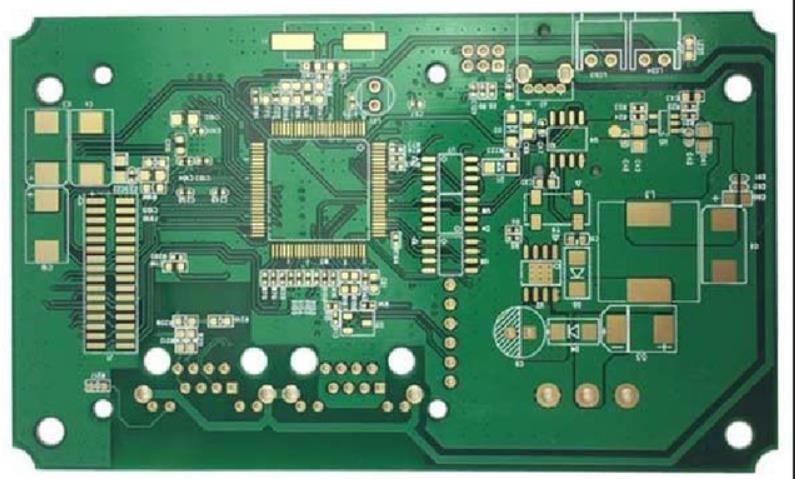
Bluetooth Keyboard PCB Guide: Design, Manufacturing and Cost Bluetooth keyboards have become an essential part of modern computing because they remove cables, declutter desks, and work with laptops, tablets, phones, and smart TVs alike. Behind every reliable wireless keyboard sits a small but sophisticated part: the Bluetooth keyboard PCB. This…
The electrical, mechanical, and thermal behavior of a printed circuit board depends heavily on the materials used in its construction. In addition to copper conductors and electronic components, the selection of PCB Substrate Materials has a direct impact on signal integrity, thermal management, mechanical reliability, and long-term performance. For conventional…
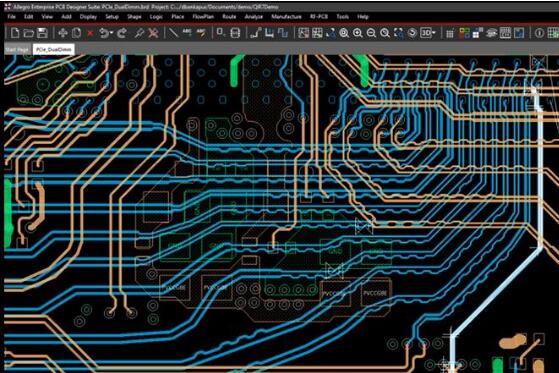
Cadence is a widely used electronic design automation (EDA) platform that supports many stages of electronic product development, including ASIC design, FPGA development, and printed circuit board design. For complex and high-speed electronic products, Cadence PCB Design provides an integrated environment for schematic capture, component and footprint development, PCB layout,…
Audio quality has become an important factor in modern mobile devices. Smartphones integrate audio codecs, amplifiers, microphones, speakers, wireless communication circuits, processors, memory, displays, and power-management systems into an extremely compact space. As a result, achieving high-quality audio is not simply a matter of selecting a better audio codec or…
As digital systems continue to increase in processing speed and data bandwidth, Signal Integrity has become a critical consideration in modern electronic hardware design. Wireless base stations, network controllers, wired communication infrastructure, high-performance computing platforms, industrial systems, aerospace electronics, and other advanced equipment increasingly rely on high-speed interfaces to transfer…
Printed circuit boards have been widely used in electronic equipment for decades. As electronic products continue to become smaller, faster, and more highly integrated, conventional single-sided and double-sided boards are increasingly limited by available routing space and electrical performance requirements. The development of the Multilayer PCB has provided an effective…
The development of the electronics industry continues to drive demand for higher-performance substrate materials. As electronic products become smaller, faster, more integrated, and more energy-efficient, traditional materials are increasingly being challenged by requirements for high-frequency transmission, thermal management, reliability, and environmental compliance. As a fundamental material used in printed circuit…
Power noise is one of the most important sources of interference in high-speed and high-frequency electronic systems. As switching frequencies increase and PCB feature sizes become smaller, even relatively small parasitic inductance, capacitance, and resistance can affect system performance. In a High-Frequency PCB, power distribution is not simply a method…
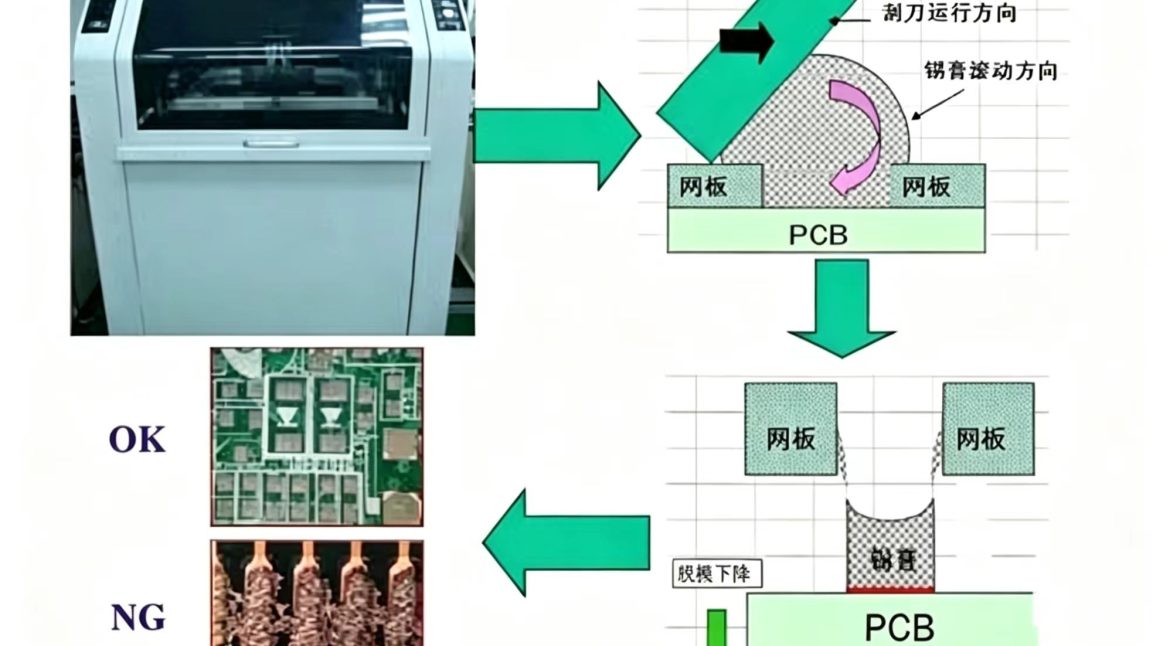
A successful electronic product requires more than a correct schematic and functional PCB layout. The design must also consider assembly processes, component tolerances, inspection requirements, testing accessibility, repairability, and high-volume production. This is especially important for SMT Assembly, where fine-pitch components, high component density, small solder joints, and automated placement…
In LED lighting systems, the power supply and driver circuit directly affect efficiency, thermal performance, electromagnetic compatibility, and overall product reliability. A well-designed LED Driver PCB is therefore essential for converting and regulating electrical power while maintaining stable LED current and minimizing unwanted electromagnetic interference. In addition to the schematic,…