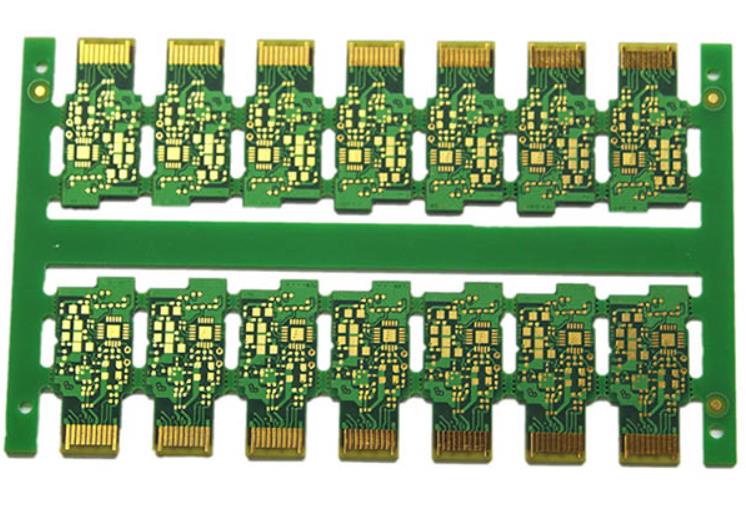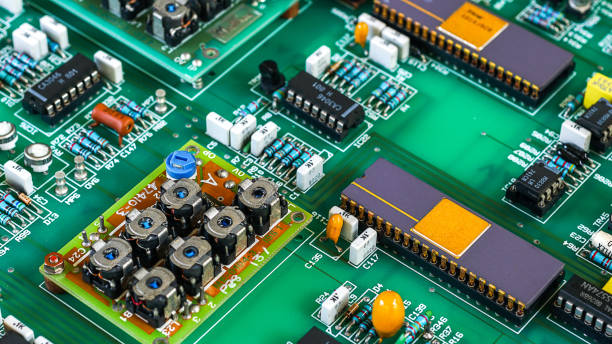
HDI PCB vs Through-Hole PCB: Complete Comparison Guide Printed circuit boards (PCBs) are essential platforms for connecting electronic components and enabling electrical communication within modern devices. Among various PCB technologies, HDI PCB and through-hole PCB are two representative solutions with significant differences in structure, manufacturing technology, electrical performance, cost,…
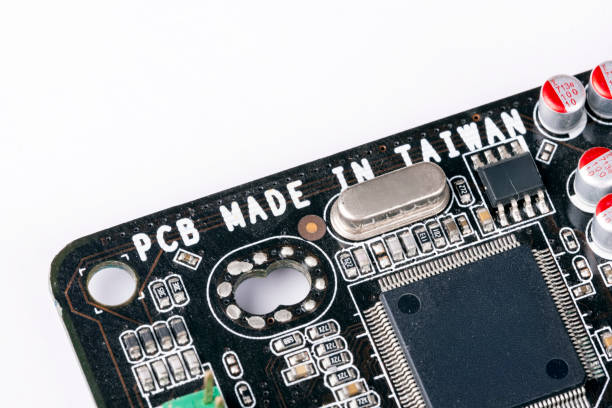
Comparison of Different Copper Foil Types in PCB Manufacturing Copper Foil is one of the most important materials in PCB manufacturing because it forms the conductive pathways that enable electrical signal transmission. The selection of copper foil directly affects PCB performance, manufacturing cost, reliability, and application suitability. In modern…
Small Batch Multilayer PCB Manufacturing for Customized Electronic Applications Small Batch Multilayer PCB Manufacturing is a specialized area in the PCB industry that requires both advanced technical capabilities and flexible production management. These PCBs are commonly used for research and development verification, customized electronic equipment, industrial instruments, and high-end applications.…
PCB Storage Temperature Guidelines for Maintaining Circuit Board Quality From production completion to final assembly, PCB Circuit Board storage conditions have a significant impact on product quality and reliability. Among various environmental factors, temperature is one of the most critical parameters because it directly affects the material properties, structural…
Advantages of PCB Metal Edge Plating Technology In modern PCB Manufacturing, metal edge plating is a specialized process that plays an important role in improving circuit board stability, reliability, and environmental adaptability. Although this technology is not as widely recognized as traditional PCB processes, it provides significant performance improvements…
Aerospace PCB Inspection Standards for High-Reliability Aviation Electronics In aerospace electronics, PCBs serve as the core control platform for electronic systems, and their quality directly affects flight safety and equipment reliability. Strict Aerospace PCB Inspection Standards are essential for identifying potential defects, preventing failures, and ensuring stable operation of…
VR Headset PCB Selection Guide: Materials, Types, Costs & Manufacturing With the widespread adoption of virtual reality (VR) headsets in gaming, training simulations, and immersive experiences throughout 2025 and beyond, the printed circuit board (PCB) has become an increasingly critical core component. PCBs ensure high-speed signal transmission stability, manage thermal…
Carbon Ink PCB Manufacturing Process and Applications In modern PCB Manufacturing, carbon ink technology has become an important solution for specific electronic applications due to its unique conductive layer processing method. Unlike traditional copper etching processes, carbon ink PCB technology creates conductive paths through screen printing and curing processes. With…
Medical Certified PCB Manufacturer for Reliable Healthcare Electronics In the healthcare industry, the stable operation of every precision medical device directly affects patient safety. As the core electronic component of medical equipment, printed circuit boards (PCBs) must achieve exceptional reliability, accuracy, and long-term stability. The same discipline applies to…
Rolled Copper Foil Thickness in PCB Manufacturing In PCB Manufacturing, rolled copper foil serves as a critical conductive material that directly influences the electrical and mechanical performance of printed circuit boards. Unlike electrolytic copper foil, rolled copper foil is produced through a mechanical rolling process, giving it superior flexibility, elongation…