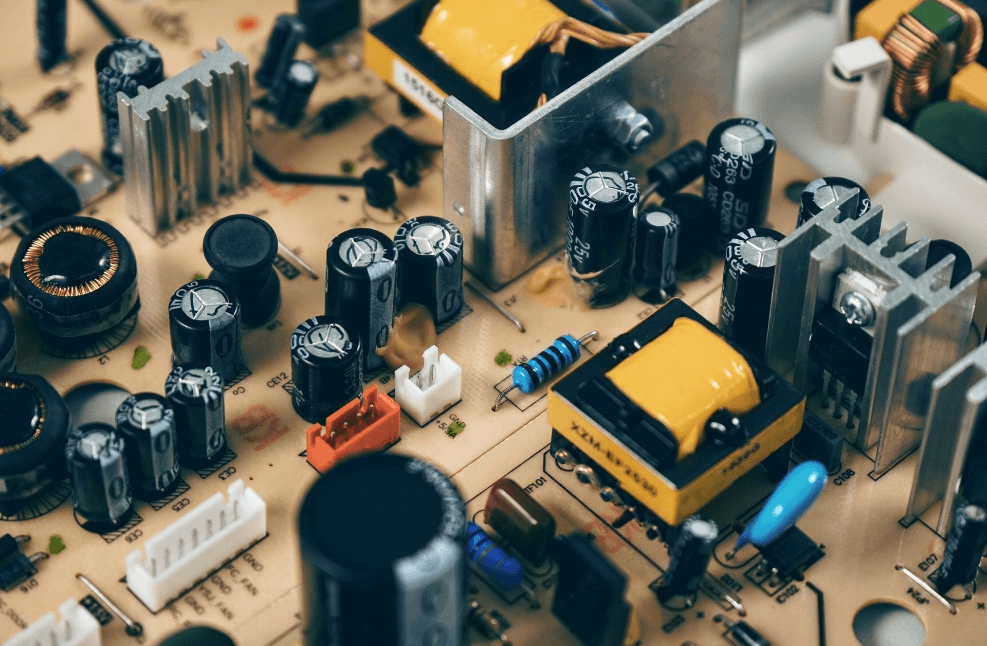
Telecom PCB Design: Backplanes, Speed and Reliability Telecom equipment is built to run continuously for a decade in a rack that is never switched off, and its boards reflect that. The channels are long, the data rates are high, the power density is significant and the equipment is expected to…
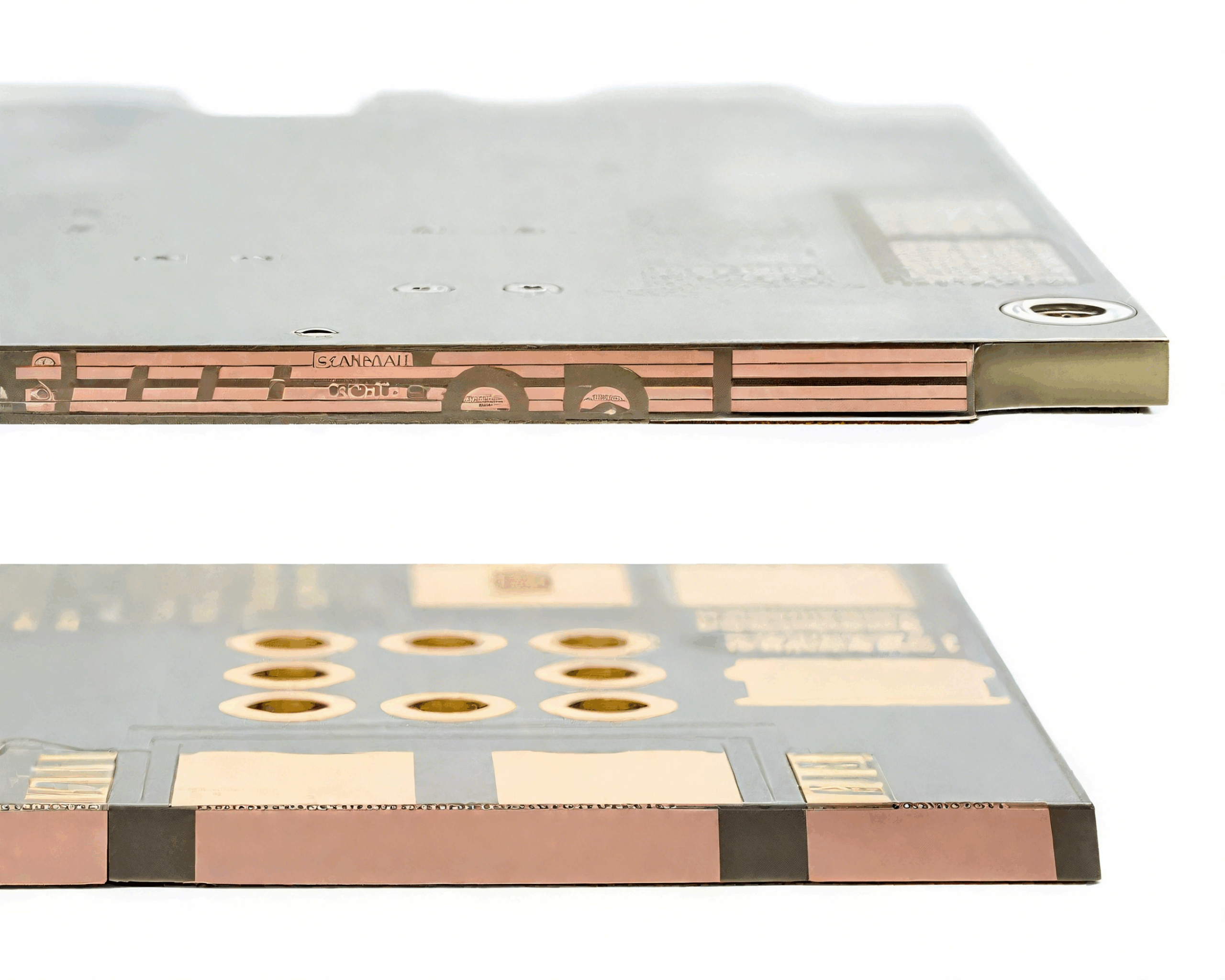
Heavy Copper PCB: Design Rules for 2 oz and Above A heavy copper PCB is used where the board has to carry current that an ordinary trace cannot, or where it has to move heat away from a component into a wider area. Two ounces per square foot is the…
High Speed PCB Layout Myths That Lead to Rework High speed design accumulates folklore faster than almost any other area of hardware engineering, and some of that folklore is expensive. Three beliefs in particular send teams down the wrong path: that only gigahertz signals need care, that a simulation platform…
Copper Pour Techniques for Flexible PCBs Copper pour on a rigid board is mostly about electrical performance: a reference plane, a low impedance return path and a little thermal spreading. On a flexible PCB the same copper also has to survive bending, and that changes the rules. A pour that…
Characteristic Impedance and Controlled Impedance Boards At low frequencies a trace is a wire, and the only things that matter are its resistance and where it goes. As the edge rates of the devices rise, the trace becomes a transmission line, and the quantity that describes it, the characteristic impedance,…
FPC Stiffener Materials and Bonding Process Control A flexible circuit is thin, light and compliant, and those are exactly the properties that make it difficult to assemble. A flex that bends easily in the hand will also deflect under a soldering iron, will not hold a connector in alignment, and…
FR4 Material Grades: Tg, Td and Tracking Resistance FR4 is the default answer to the question of what a board should be made of, and the name conceals more variety than most designers expect. Two laminates both described as FR4 can differ in their glass transition temperature, their decomposition temperature,…
Robot PCB Design: Motor Noise, Grounding and Sensors A robot controller board lives in an electrical environment that is hostile to electronics. Motors draw large currents in pulses, switching converters generate high frequency noise, sensors return signals in the millivolt range, and the whole assembly is often packed into a…
Reducing SDRAM Radiation on a Memory Bus A memory bus is one of the harder interfaces to keep quiet. It is wide, it is fast, it is synchronous, and it runs across a large area of the board with many traces in parallel. The clock and the strobe are periodic,…
Bluetooth Speaker PCB Price: Board and Assembly Cost A Bluetooth speaker hides a surprisingly dense board inside a small enclosure. Radio, audio amplifier, battery charger, power rails and user interface all share one substrate, and each block pushes the price in a different direction. This guide separates a Bluetooth speaker…