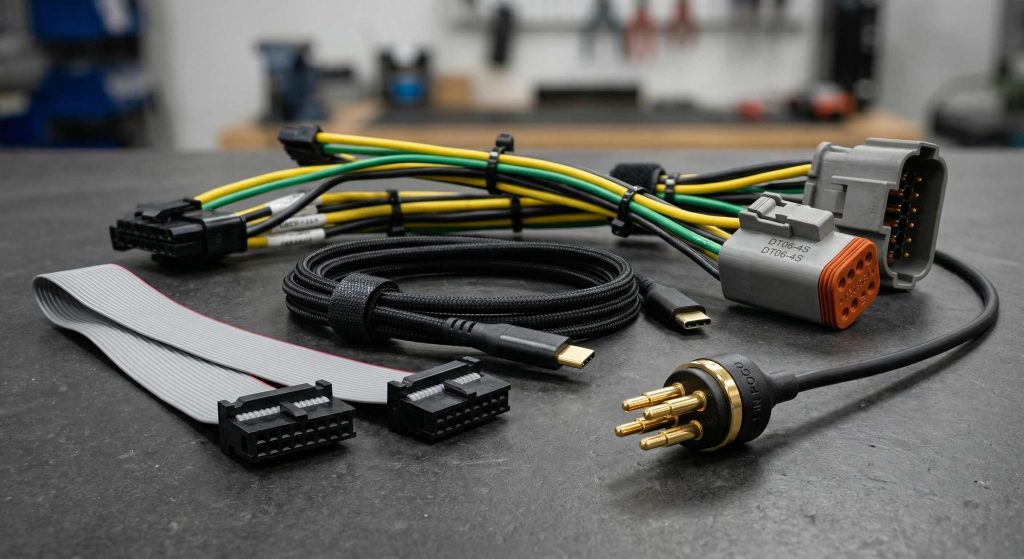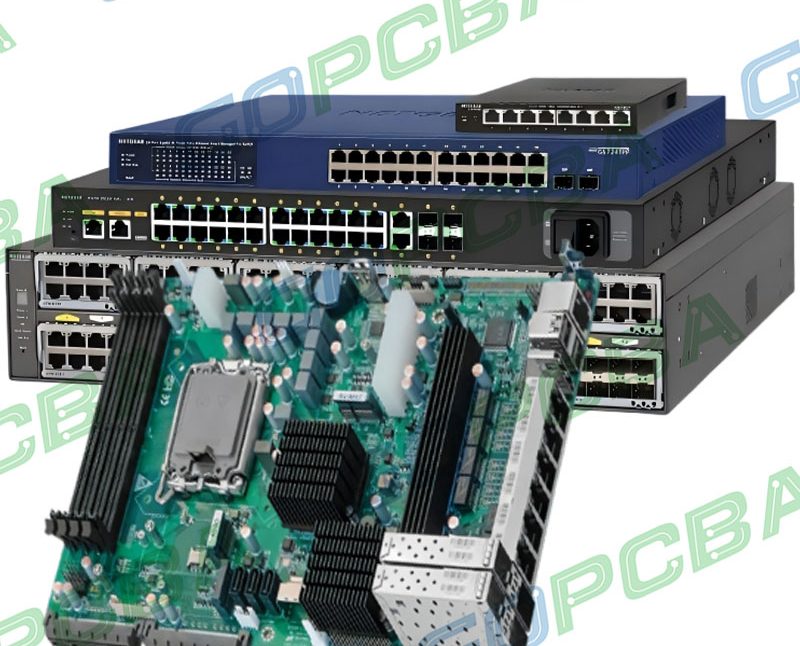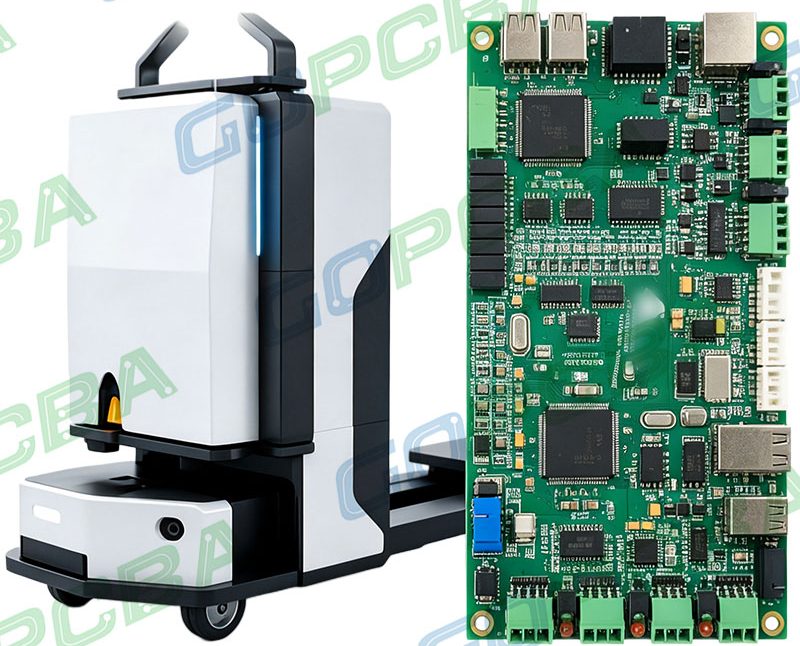
Relay Control PCB: Isolation, Creepage and Drive Circuits A relay control PCB looks simple on paper: a logic signal goes in, a coil is energised, a contact closes and a load is switched. What makes it a design problem is that the coil and the contact belong to two different…
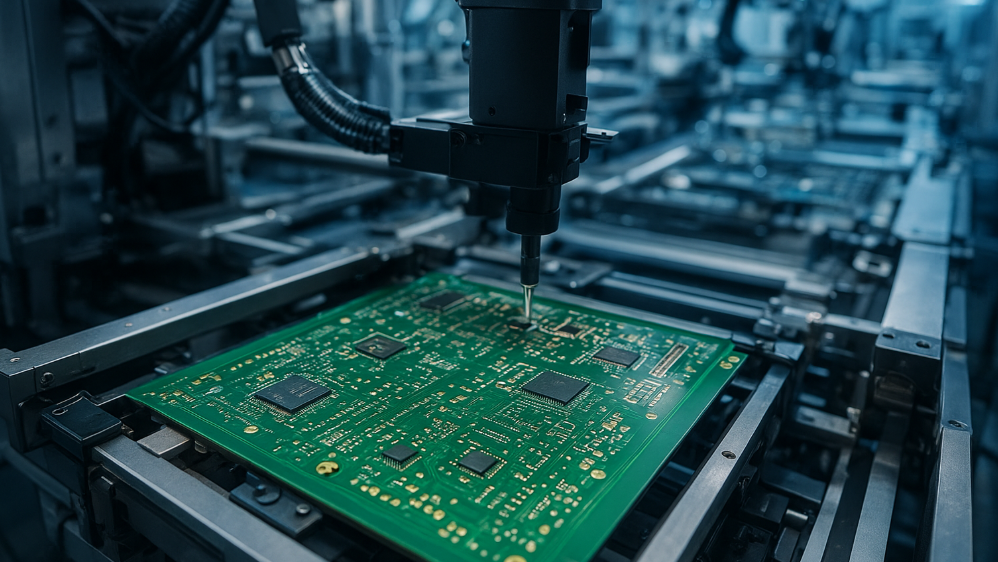
PCB Etching Process: Chemistry, Equipment and Control Etching is the step that turns a copper covered panel into a circuit. Resist defines the pattern, and the etchant removes everything the resist does not protect. It sounds simple, and in principle it is, but the practical difficulty is that etching proceeds…
SMT Placement Equipment: What Each Machine in the Line Does An SMT line is often described as a series of machines, but it is more useful to think of it as a chain of tolerances. Each station adds its own variation to the board, and the final yield depends on…
PCB Design Principles for a Reliable Layout A correct schematic is not enough. A board built from a correct schematic can still be unreliable if the parts are arranged so that one circuit disturbs another, if the heavy components are unsupported, or if the outline leaves no room for the…
Reading a Circuit Diagram and Tracing It onto a PCB A circuit diagram is the description of a design, and a printed circuit board is the same design expressed in copper and laminate. Reading one means recovering the intent behind the drawing, and tracing it onto the board means checking…
PCB Production Process Flows for Single, Double and Multilayer Boards Almost every electronic product contains at least one printed circuit board, from a watch to a computer to a communications system, and the reason is the same in each case: the board provides the mechanical base and the electrical connections…
Impedance Control Factors in High Speed PCB Design Impedance control is often described as a single number on a drawing, but the number is the result of several independent variables that all vary in production. Trace width is etched, dielectric thickness is pressed, dielectric constant depends on the resin and…
Gold Finger PCB Price: Hard Gold, ENIG and Selective Plating A gold finger board is a connector and a circuit board at the same time, and that dual role is what makes its price different from an ordinary PCB. The fingers must survive insertion cycles, stay flat enough to mate…
Switch PCB Price Guide: Membrane, Tactile and Mechanical A switch board looks simple and is priced as if it were simple, until the switch itself changes the manufacturing route. Membrane panels are printed, tactile boards are stamped and placed, and mechanical boards are drilled, plated and often gold finished. This…
Component Placement Requirements on a PCB Placement is a design decision that constrains everything after it. A part placed in the wrong place can be routed around, but the cost appears later as a longer trace, a hotter device, a cable that will not fit or a test point that…