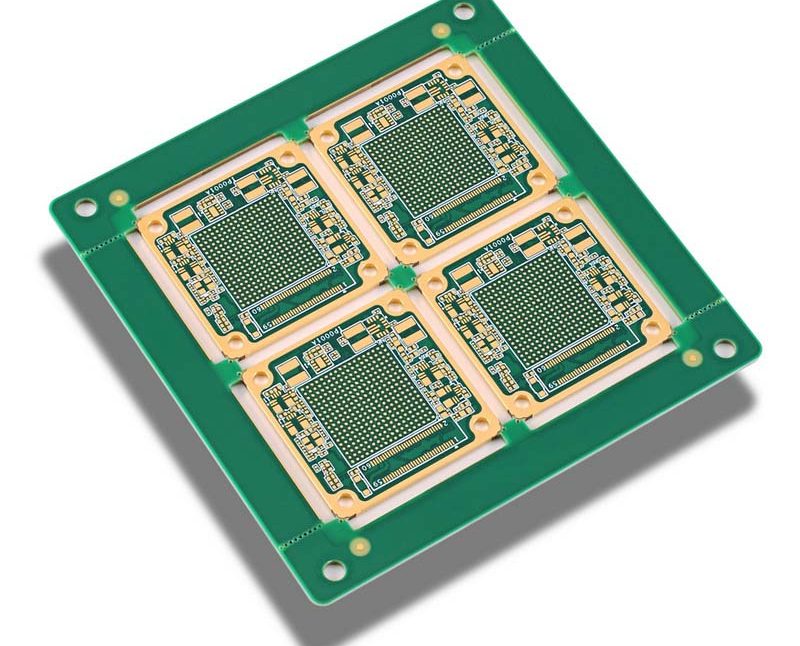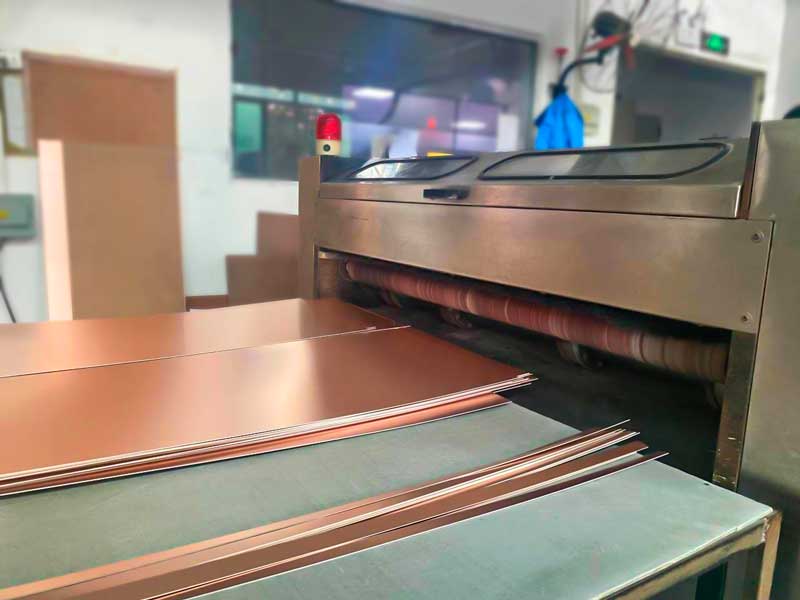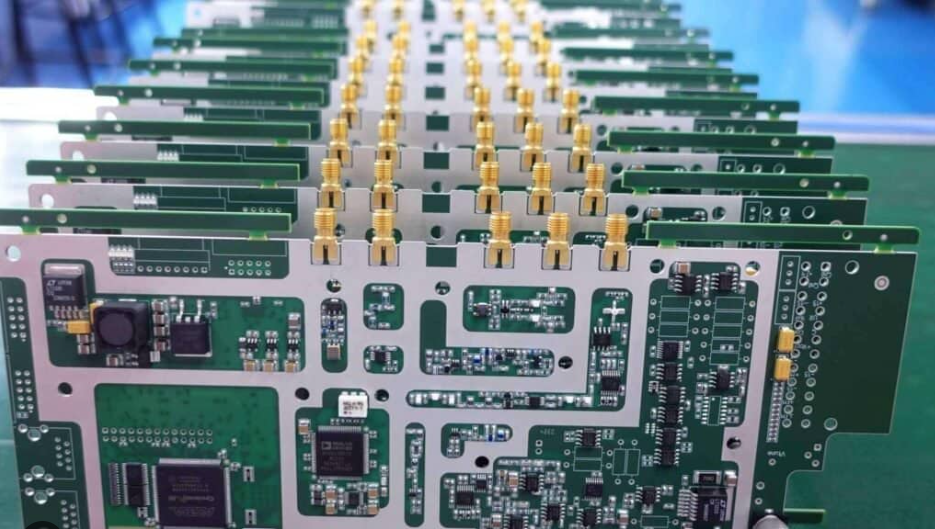
Ceramic Substrates: Where They Beat FR-4 and Where They Do Not A ceramic substrate is chosen when the heat or the thermal cycling is beyond what a glass-fibre laminate can survive. The advantage is real, and so is the cost: ceramic is more expensive per unit area, is available in…
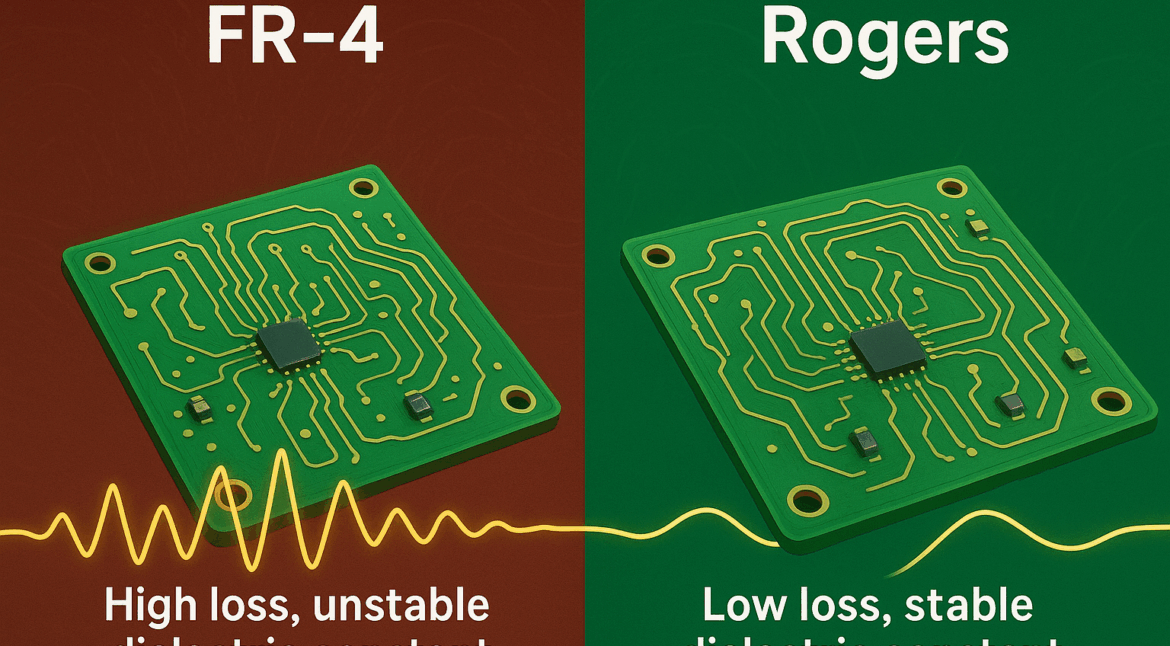
SMT Assembly Service Types: Matching Board to Supplier Two assembly houses can own the same model of placement machine and still be unable to build the same board. What separates them is not the equipment list but the way the line is configured, the staff around it, and the class…
Capacitor Selection for PCB Design: Types and Behaviour A capacitor is the simplest component on the board and the one whose behaviour is most often taken for granted. It stores charge, it blocks direct current, it passes changing current, and it does all of those things imperfectly. Capacitor selection follows…
PCB Lamination Process: Temperature, Pressure and Quality Lamination is the step that turns a stack of inner layers, prepreg sheets and copper foil into a single solid board. It is irreversible, it sets the final thickness and registration, and it is the origin of most of the internal defects that…
PCB Outer Layer Routing Design Rules for Manufacture The outer layers of a board are the ones the fabricator sees first and the ones where the smallest mistake is the most expensive, because everything on them has already been paid for by the time the defect appears. Inner-layer design is…
Face Recognition PCB Design: Camera, Processor and Thermal A face recognition device has to capture an image, process it with a neural network and return a decision, all within a fraction of a second and inside a small enclosure that is often mounted on a wall in direct sunlight. The…
Board Outline, Slot and Tolerance Rules for PCB Fabrication The mechanical side of a fabrication package is where designs are most often under-specified. The copper layers describe the circuit, but the outline, the slots, the tolerance and the flatness requirement have to be stated explicitly, and where they are not,…
Rogers 4003 PCB: Properties, Design and Cost Guide Rogers 4003, also written RO4003C, occupies a useful middle ground among high frequency laminates. It is a ceramic filled hydrocarbon material rather than a PTFE composite, so it processes much like FR-4 while still delivering a stable dielectric constant and low loss…
PCB Thermal Design: Rules That Move Heat Out of the Board Heat leaves a board by three paths: conduction through copper, conduction through the laminate, and convection or radiation from the surface into the surrounding air. The laminate is the weakest of the three by a wide margin, which is…
Why High-Speed Traces Stay Away From the Board Edge Two rules in high-speed design appear to contradict each other. One says that a high-speed trace should never run along the edge of the board. The other says that an antenna on the board should be placed as close to the…