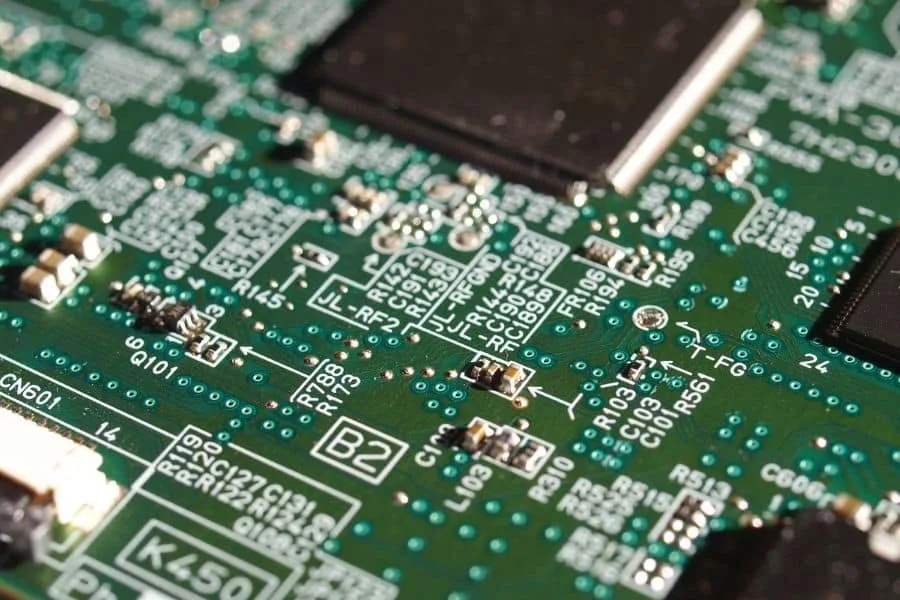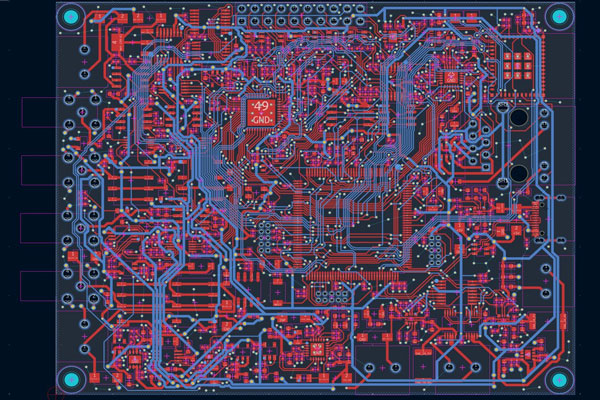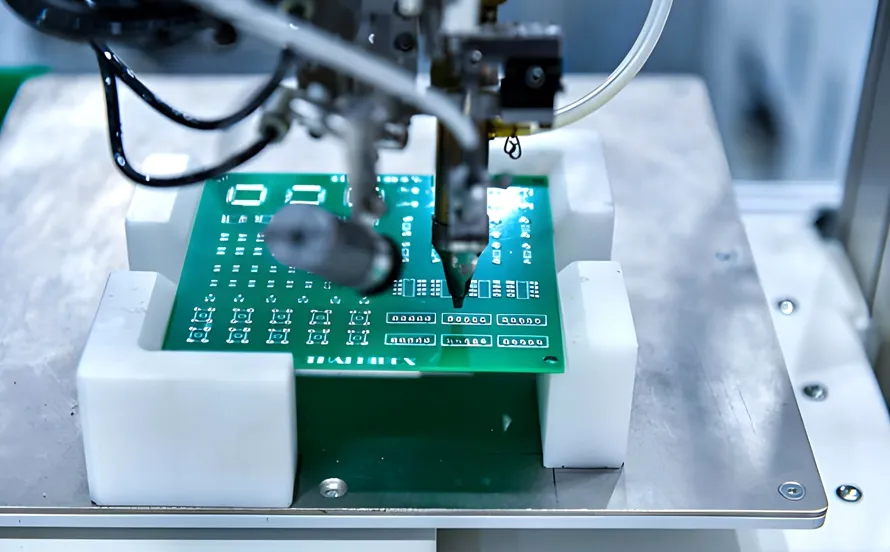
Six Layer Stackup for an Automotive Infotainment Board A centre console board connects a display, a camera, a radio, a touch panel and the vehicle network, all inside a dashboard that bakes in the sun and hums with electrical noise. A six layer stackup has become the standard answer for…
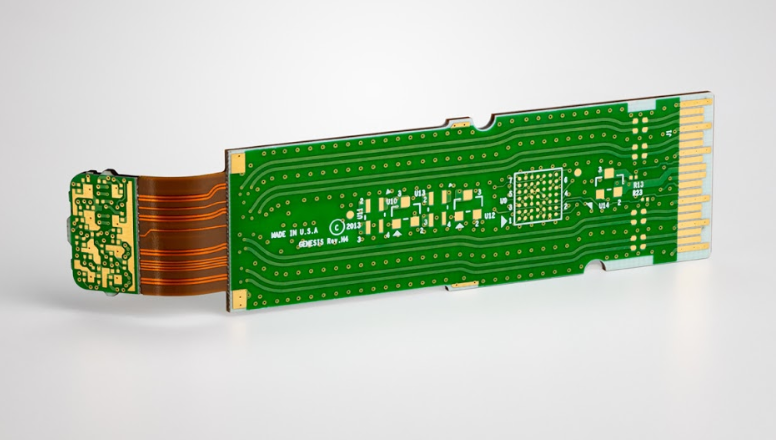
Reverse Engineering Legacy Hardware into Usable Design Data Reverse engineering a circuit board means reconstructing usable design data from a physical sample. It is a legitimate engineering activity with a long history: legacy equipment that must be supported long after its documentation has been lost, a competitor product that must…
PCB Stiffener for A Long Board: Keeping a Long Board Straight Modern electronics depend on boards that are assembled correctly the first time. Every product – a phone, a charger, a medical instrument or an industrial controller – relies on thousands of solder joints that must conduct current for years.…
Low Loss Laminate Selection for High Speed PCB Designs Material selection for a high speed board used to be a simple choice between ordinary FR4 and an expensive low loss laminate. With serial links now running at tens of gigabits per second per lane, the decision has become a graded…
PCB Teardrops: Design Rules and Where They Help A teardrop is a fillet of copper added where a trace joins a pad or a via. It widens the junction gradually instead of meeting the pad at a sharp angle, and that simple change removes the point where a mechanical or…
IC Substrate and PCB: Structure, Materials and Process An IC substrate and a printed circuit board are made with similar equipment and similar chemistry, and they are often confused in conversation. They are different products with different requirements: a PCB carries components and connects them across a system, while an…
PCB Standoff Selection: Keeping the Board Off the Metal Buyers and engineers often focus on the finished product and forget the production line behind it. In practice, most field failures can be traced back to process decisions made during assembly. Understanding PCB standoff selection gives you a practical advantage when…
PCB Heavy Board Handling: Moving Something With Mass Modern electronics depend on boards that are assembled correctly the first time. Every product – a phone, a charger, a medical instrument or an industrial controller – relies on thousands of solder joints that must conduct current for years. This article explains…
PCB ESD Packaging: A Bag That Keeps the Charge Out Electronics manufacturing has become a discipline of small details. Solder paste volumes, placement accuracy, temperature profiles and inspection limits all add up to the final result. This guide looks at PCB ESD packaging from the perspective of a PCBA factory…
PCB Design Review Process and Self-Check Items A design review is the cheapest defect removal tool available. A problem found on a schematic or a layout costs a comment, while the same problem found after fabrication costs a panel, a schedule slip and a customer conversation. The purpose of a…