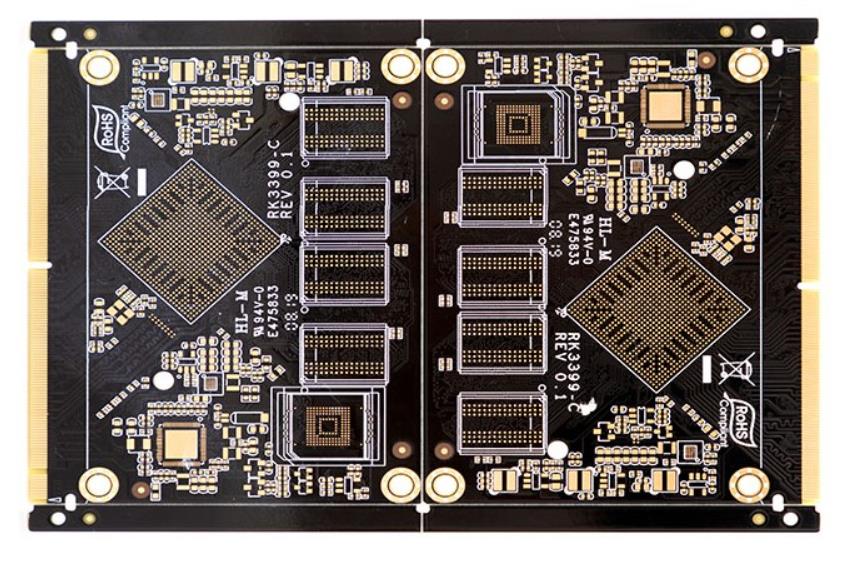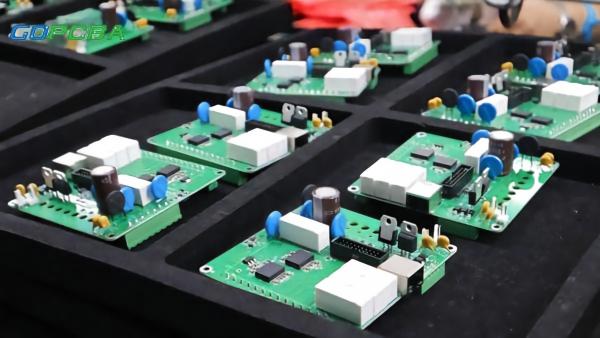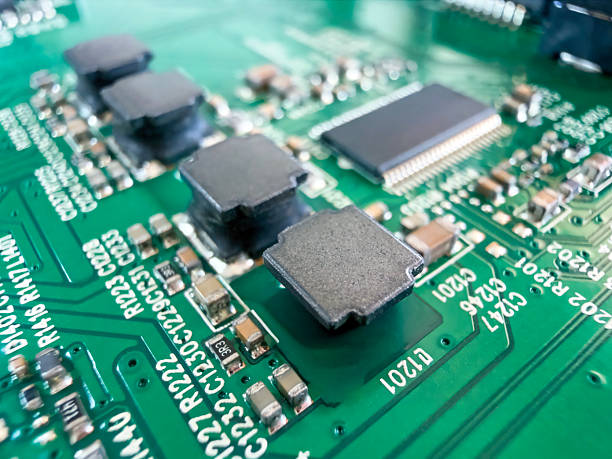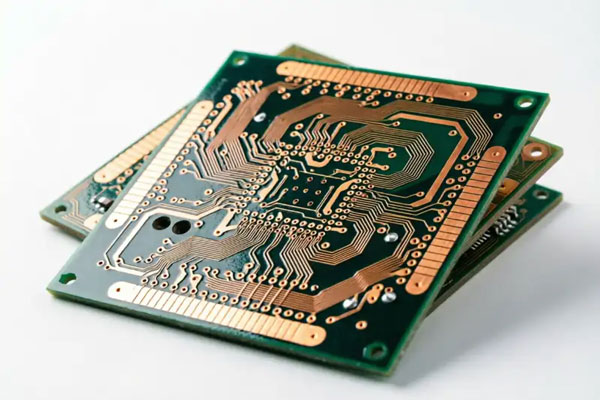
How to Check if a PCB Is Working: PCB Testing, Inspection & Troubleshooting Guide In modern electronics, a printed circuit board (PCB) provides the electrical pathways and mechanical foundation needed to connect and power electronic components. From consumer electronics and industrial equipment to automotive systems and medical devices, PCB technology…
0.15mm Mechanical Blind and Buried Via PCB As electronic devices continue becoming smaller, thinner, and more powerful, PCB routing density has become one of the major limitations affecting system performance. The 0.15mm Blind Via PCB technology provides an advanced interconnection solution for high-density multilayer circuit boards by creating compact…
How to Test a PCB: PCB Testing Methods, Tools & Best Practices Printed circuit board manufacturing and assembly follow a detailed, controlled process in which every step must be completed accurately. However, even with strict process controls, manufacturing defects, assembly errors, and electrical problems can still occur. For this reason,…
1oz Copper PCB 4-Layer Controlled Impedance PCB for High-Speed Electronic Applications In modern electronic systems, PCBs serve as the essential platform for component connection, signal transmission, and power distribution. Among various PCB solutions, the 4-Layer Impedance PCB with 1oz copper thickness has become an important choice for communication equipment, computing…
PCB Corrosion: Causes, Types, How to Remove & Prevent PCB Corrosion PCB corrosion is the gradual deterioration of copper pads, solder joints, traces, and other metal components on a printed circuit board due to moisture, chemicals, contaminants, or other environmental factors. When metals such as copper and solder react with…
Millimeter Wave Small Cell Base Station PCB As 5G networks continue expanding into dense environments such as urban buildings, industrial parks, transportation hubs, and smart venues, the balance between the high bandwidth potential of millimeter wave frequencies and reliable signal coverage has become a major engineering challenge. The same…
How to Detect a Short Circuit on a PCB: PCB Testing, Troubleshooting & Prevention Printed circuit boards (PCBs) have become essential components in almost every modern electronic product. As manufacturers continue to integrate more intelligent functions into individual devices, electronic circuits are becoming increasingly complex while simultaneously becoming smaller and…
Military-Grade vs. Industrial PCB: Key Differences, Cost & Performance In modern high-reliability electronic systems, the performance of a printed circuit board (PCB) directly determines whether equipment can operate stably in harsh environments. Both military-grade PCBs and industrial PCBs belong to the high-reliability electronics manufacturing domain, yet they differ significantly in…
10-Layer PCB1.6mm Controlled Impedance PCB for High-Speed Electronics As a critical platform for modern electronic systems, PCBs face increasingly demanding requirements for signal integrity, routing density, electrical stability, and manufacturing precision. A 10-Layer PCB with a standard 1.6mm finished thickness combines multilayer routing capacity with controlled electrical characteristics, making it…
16-Layer PCB 5.0mm Ultra-Thick PCB: Manufacturing Challenges, Benefits and Applications PCB manufacturing technology continues to play a critical role in advancing modern electronic systems. As electronic equipment faces increasing demands for high power, high reliability, complex functionality, and compact integration, a 16-Layer PCB with a 5.0mm overall thickness can…