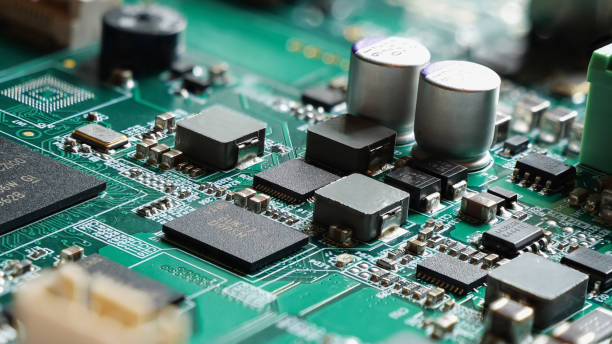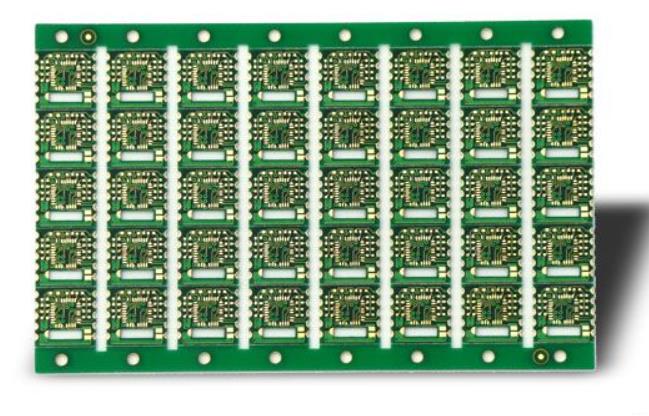
Automotive PCB Applications in Electric Vehicles, ADAS, and Powertrain Systems With the rapid advancement of new energy vehicles (EVs), Advanced Driver Assistance Systems (ADAS), and intelligent powertrain systems, automotive electronics have placed unprecedented demands on the performance and reliability of automotive-grade PCBs. Unlike consumer electronics, automotive electronic systems must operate…
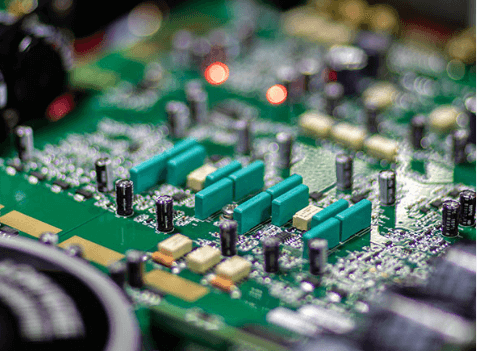
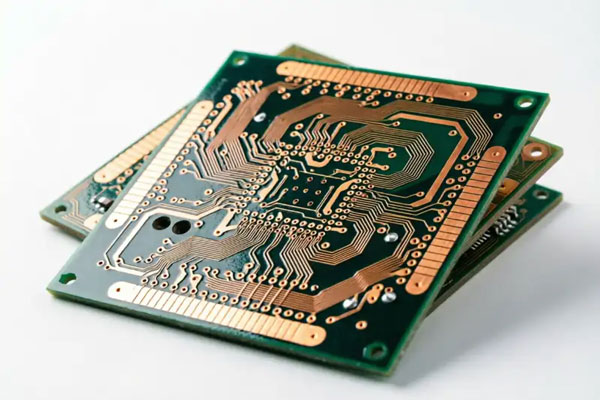
2.5 Mil Fine Line PCB Circuit density has become an important indicator of PCB performance as electronic products continue to become smaller and more integrated. A 2.5 Mil Fine Line PCB provides exceptionally precise circuit geometry, allowing electrical interconnections to be placed within a highly compact area. This capability…
Professional Mixed Material PCB Supplier A Mixed Material PCB combines different substrate materials within the same circuit board to achieve specific electrical, thermal, mechanical, or high-frequency performance requirements. Because different materials can provide complementary properties, mixed material PCB technology has become increasingly important in complex electronic systems. For demanding…
PTFE High-Frequency PCB Manufacturing As electronic systems continue to operate at higher frequencies and data rates, PCB materials have an increasingly direct impact on signal integrity, transmission loss, impedance stability, and overall system reliability. Conventional FR-4 materials remain suitable for many electronic products, but demanding RF and microwave applications…
Automotive LiDAR FPC As intelligent driving technologies continue to evolve, LiDAR has become an increasingly important sensor for environmental perception, object detection, and autonomous driving functions. At the same time, the internal structure of LiDAR modules is becoming more compact and complex, creating higher requirements for electrical interconnection and…
Low Cost PCB Price Guide 2025 – How Much Does It Really Cost? “Low Cost PCB” is one of the most frequently searched keywords in the electronics manufacturing industry—but also one of the most misunderstood. Many procurement professionals or startup teams instinctively equate “low cost PCB” with the cheapest circuit…
How to Choose Copper Thickness for Heavy Copper PCBs Copper thickness is one of the most important factors affecting PCB current capacity, thermal performance, reliability, and manufacturing cost. Although copper is only one part of a printed circuit board, its thickness directly influences how much current a conductor can…
Embedded vs Traditional PCB: Core Differences Every Engineer Must Know For engineers and product designers developing electronic devices, choosing between an embedded PCB and a traditional PCB is a critical decision that directly impacts product size, performance, cost, and reliability. This guide breaks down the core differences between the two…
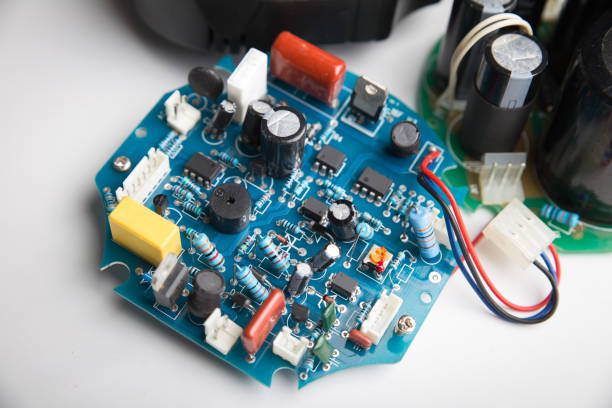
Custom PCB for Power Monitoring Systems As power systems continue to evolve toward greater intelligence, automation, and digitalization, power monitoring systems function as the sensing and communication center of modern electrical networks. They continuously capture changes in voltage, current, temperature, and other operating parameters. At the hardware level, a…
Rail Transit Control Board PCB In modern rail transit systems, control boards function as a central nervous system, managing train operation, signal transmission, equipment monitoring, and system coordination. The PCB inside these control boards provides the fundamental electrical and mechanical platform that enables these functions to operate reliably. The same…