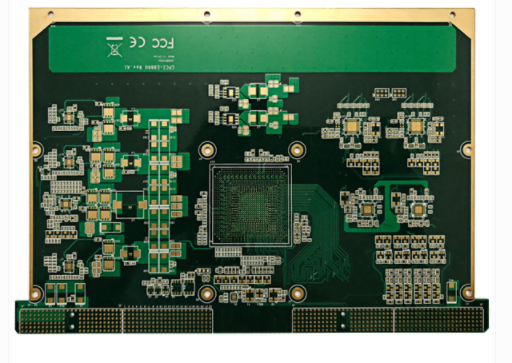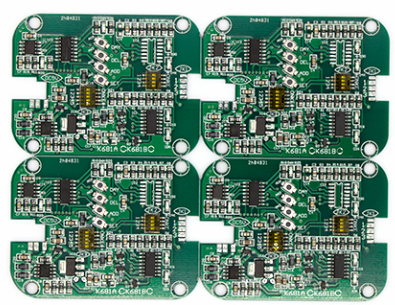
PCB Functional Testing: How to Customize a Reliable Test Solution Printed circuit boards (PCBs) provide the electrical foundation for modern electronic products, and their functional performance directly affects the reliability of the final device. Because different PCBs handle different signal types, power requirements, interfaces, and functional modules, a standardized…
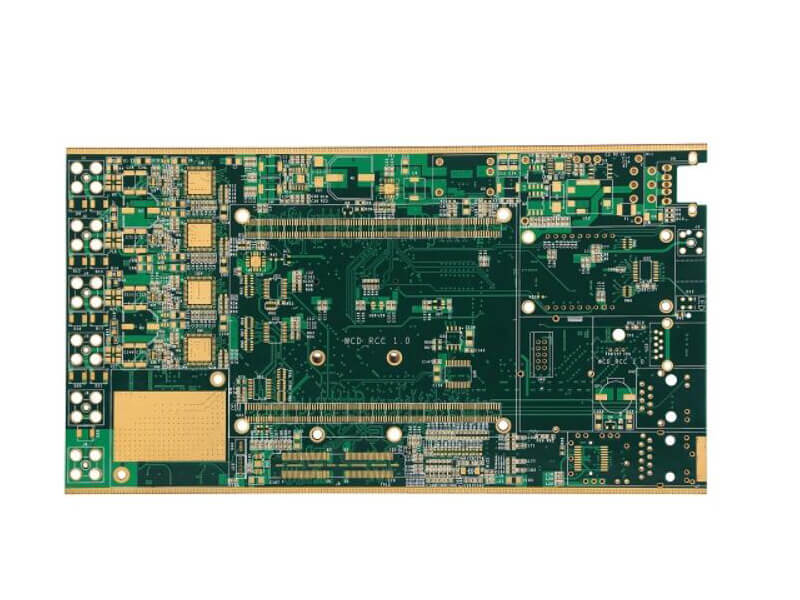
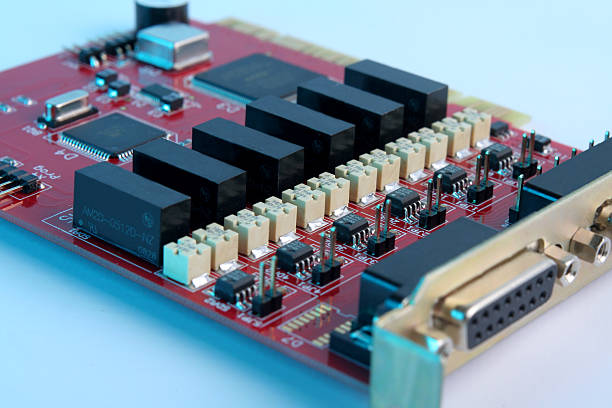
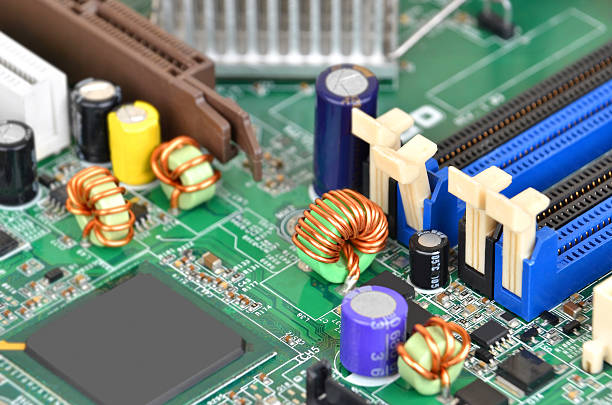
Motherboard PCB Layers: PCB Layer Count, Stackup & Multilayer PCB Design Guide A motherboard is the central circuit platform of a computing, communication, or automation system. It connects processors, memory, storage devices, interfaces, power circuits, and peripheral components, enabling the system to receive inputs, process data, generate outputs, and communicate…
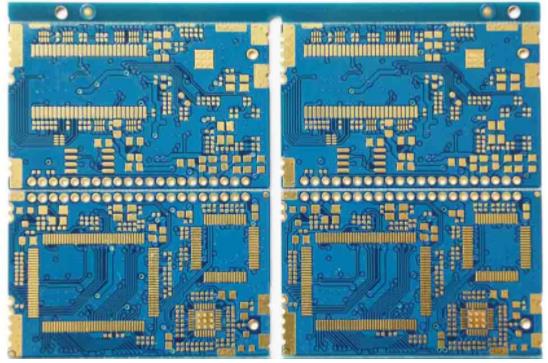
A Multilayer PCB is one of the most important components in modern electronic products. As electronic devices continue to become smaller, faster, and more integrated, multilayer circuit boards are increasingly used to achieve higher routing density, better electrical performance, and more compact product designs. Unlike single-sided or double-sided circuit boards,…
PCB Board Price: Key Factors That Affect PCB Manufacturing Cost In the electronics manufacturing industry, printed circuit boards (PCBs) are essential components that provide the electrical and mechanical foundation for electronic devices. As a result, the PCB board price has a direct impact on product development budgets, manufacturing costs,…
Introduction One of the fundamental functions of a Printed Circuit Board (PCB) is to provide reliable electrical signal transmission and interconnection between electronic components. PCB Reliability refers to the ability of a PCB to maintain its intended electrical, mechanical, and physical performance throughout its expected service life. In other words,…
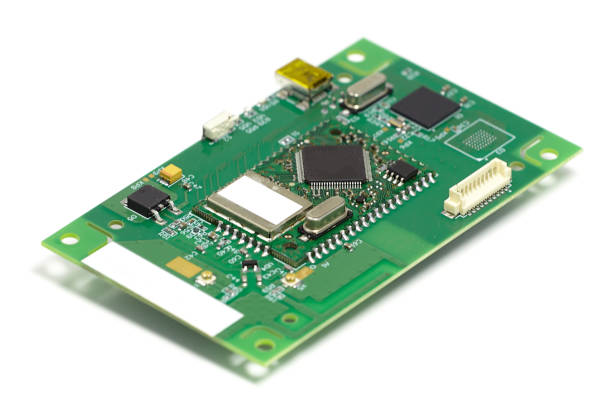
Introduction to Printed Circuit Boards A Printed Circuit Board (PCB) is the foundation of modern electronic products. It provides mechanical support and electrical interconnection for electronic components while integrating conductive circuits, pads, vias, and other structures into a compact platform. In simple terms, a PCB is an insulating substrate on…
As electronic products continue to become smaller, thinner, and more highly integrated, the circuit structures of modern rigid-flex PCB designs are becoming increasingly complex. High-density interconnections, fine lines, microvias, and multiple material systems have created increasingly demanding requirements for PCB manufacturing processes. After mechanical drilling, resin smear and drilling debris…
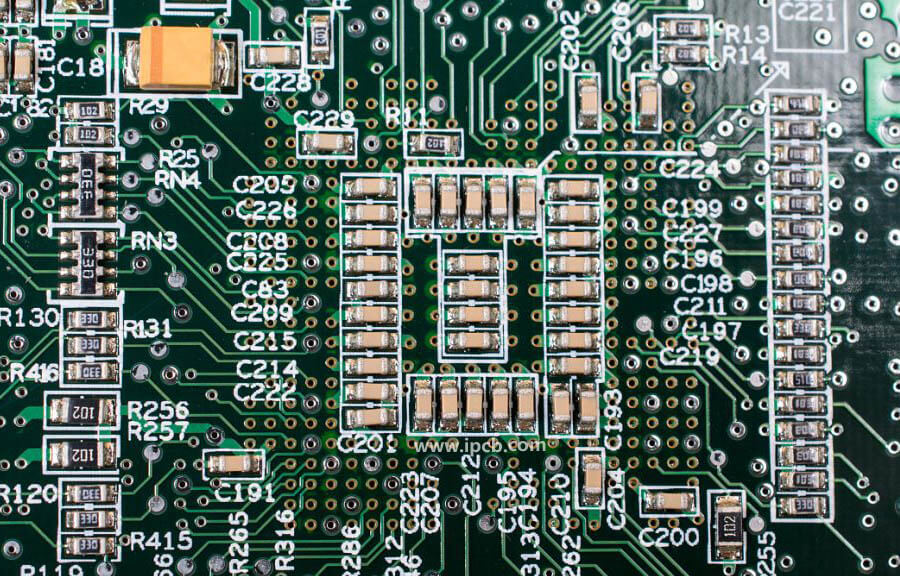
PCB Trace Current Capacity: PCB Trace Width, Copper Thickness & Current Guide A PCB trace provides an electrical pathway between components, power sources, ground structures, and other circuit elements. Together with vias, copper planes, pads, and other conductive features, PCB traces form the electrical interconnections that allow an electronic system…
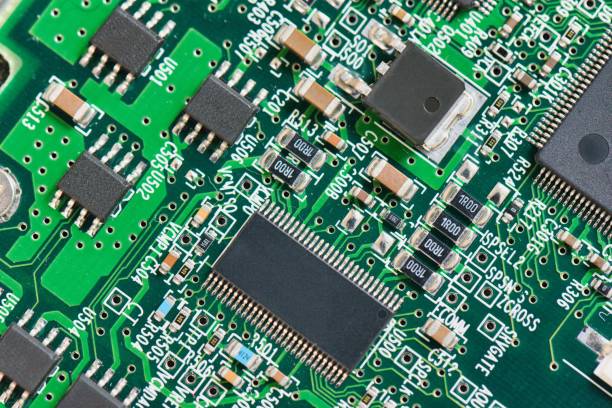
PCB Replacement Cost: PCB Repair, Replacement & Manufacturing Cost Guide A Printed Circuit Board (PCB) is designed and manufactured to reliably meet the requirements of its final application. It is a complex technical assembly consisting of conductive layers, electronic components, interconnections, and mechanical structures that work together under specific operating…
How to Add a Logo to a PCB in Altium: Complete PCB Design Guide Whether you are a hobbyist building a prototype or an engineer developing a commercial electronic product, you have probably noticed company logos, product names, symbols, or identification marks printed directly on a PCB. Adding a logo…