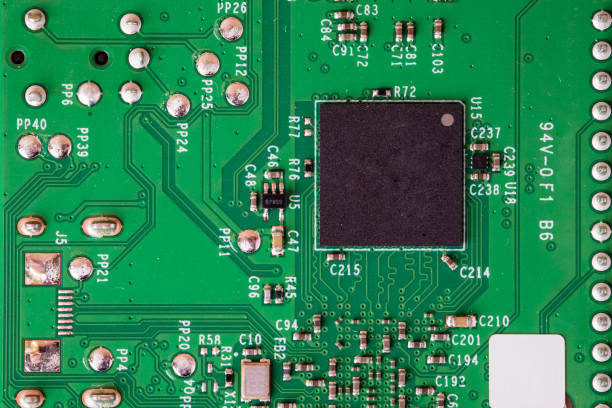
design for manufacturability PCB

Double-Sided PCB: Design, Benefits, Applications & Manufacturing

Double-Sided PCB: Design, Structure, Benefits, Applications, and Manufacturing Guide Printed circuit boards (PCBs) are at the heart of almost every modern electronic product, from smartphones and consumer electronics to aerospace systems, industrial controllers, automotive electronics, and communication equipment. A single-sided PCB is suitable for relatively simple circuits because all conductive…
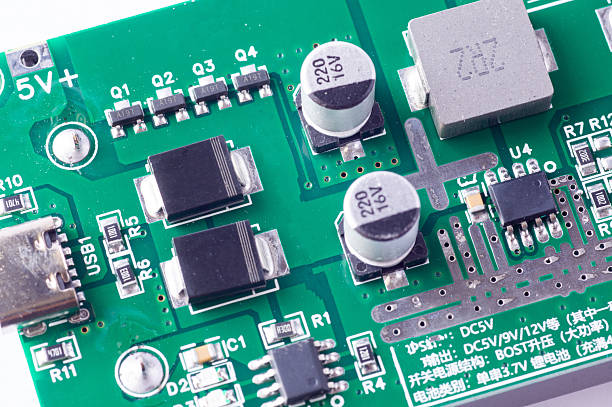
PCB impedance control

Press-Fit PCB Technology: Design, Benefits, Applications & Reliability

Press-Fit PCB Technology: Design, Benefits, Applications, and Reliability As modern electronic products continue to become smaller, more powerful, and more highly integrated, reliable interconnection between components, connectors, and subassemblies has become increasingly important. Integrating numerous components and functional modules onto a compact platform creates greater challenges for electrical connectivity, mechanical…
fine-line PCB

What Is ENIG PCB Surface Finish? Process, Benefits, and Common Defects

ENIG Surface Finish PCB: Process, Advantages, Defects, Reliability, and Applications As PCB manufacturing processes continue to evolve, manufacturers are adopting advanced techniques across individual production stages to meet increasingly complex design requirements and achieve consistent electrical, mechanical, and thermal performance. Every stage of PCB fabrication and assembly—from material selection and…
Deposit adhesion tested on a brush plated repair area

Back Drilling PCB: Process, Benefits, Design Guidelines & Best Practices

Back Drilling PCB: Process, Benefits, Design Guidelines, and Best Practices As electronic products demand higher processing speeds, greater signal integrity, and stricter EMI/EMC performance, PCB design has become increasingly sophisticated. High-speed interfaces, advanced processors, high-density interconnects, and multilayer stackups can introduce signal integrity challenges that are difficult to solve through…
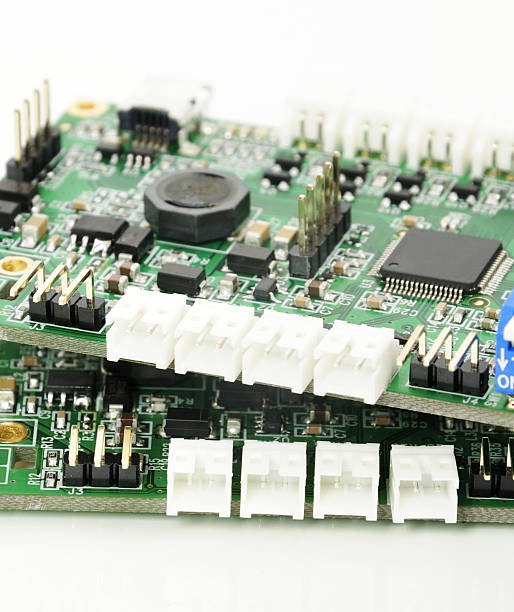
Two assembled PCBs stacked on top of each other, focus at the front.

PCB ICT Testing Process: Complete Guide to In-Circuit Testing

PCB ICT Testing Process: A Complete Guide to In-Circuit Testing As printed circuit boards (PCBs) become increasingly complex, more electronic components are being integrated into smaller form factors. This increasing density makes reliable and efficient testing essential for verifying PCB quality, manufacturing consistency, and electrical performance. In-Circuit Testing (ICT) is…
flexible PCB

Top 10 OEM PCB Manufacturers in China: 2026 Guide

Top 10 OEM PCB Manufacturers in China: Complete Guide for 2026 As electronic products become increasingly complex, OEMs (Original Equipment Manufacturers) are facing greater challenges in product development, supply chain management, and manufacturing. To remain competitive, many OEMs partner with experienced PCB manufacturers to produce and assemble reliable circuit boards.…
PCB assembly

15 Best PCB Design Software for Professional PCB Design and Circuit Board Development

15 Best PCB Design Software for Professional PCB Design and Circuit Board Development As modern electronic products become smaller, faster, and more sophisticated, PCB design is becoming increasingly complex. High-density layouts, high-speed interfaces, fine-pitch components, multilayer structures, and strict signal integrity requirements all demand powerful and reliable design tools. For…
dry film resist

Reflow Soldering for PCB Assembly: Process, Temperature Profile, Defects, and Best Practices

Reflow Soldering for PCB Assembly: Process, Temperature Profile, Defects, and Best Practices Reflow soldering is one of the most important processes used in modern PCB assembly and surface-mount technology (SMT) production. It is primarily used to attach surface-mount devices (SMDs) to a printed circuit board (PCB) by melting solder paste…
128

Industrial Robot PCB Requirements: Multilayer PCB and Resin-Filled Via Technology

Industrial Robot PCB Requirements: How Multilayer Boards and Resin-Filled Vias Improve Reliability Industrial robots are evolving toward higher precision, greater payload capacity, faster motion, and longer operating lifespans. As a result, the PCB assemblies used inside robotic controllers, joints, sensors, motor drives, and communication modules face increasingly demanding requirements. An…